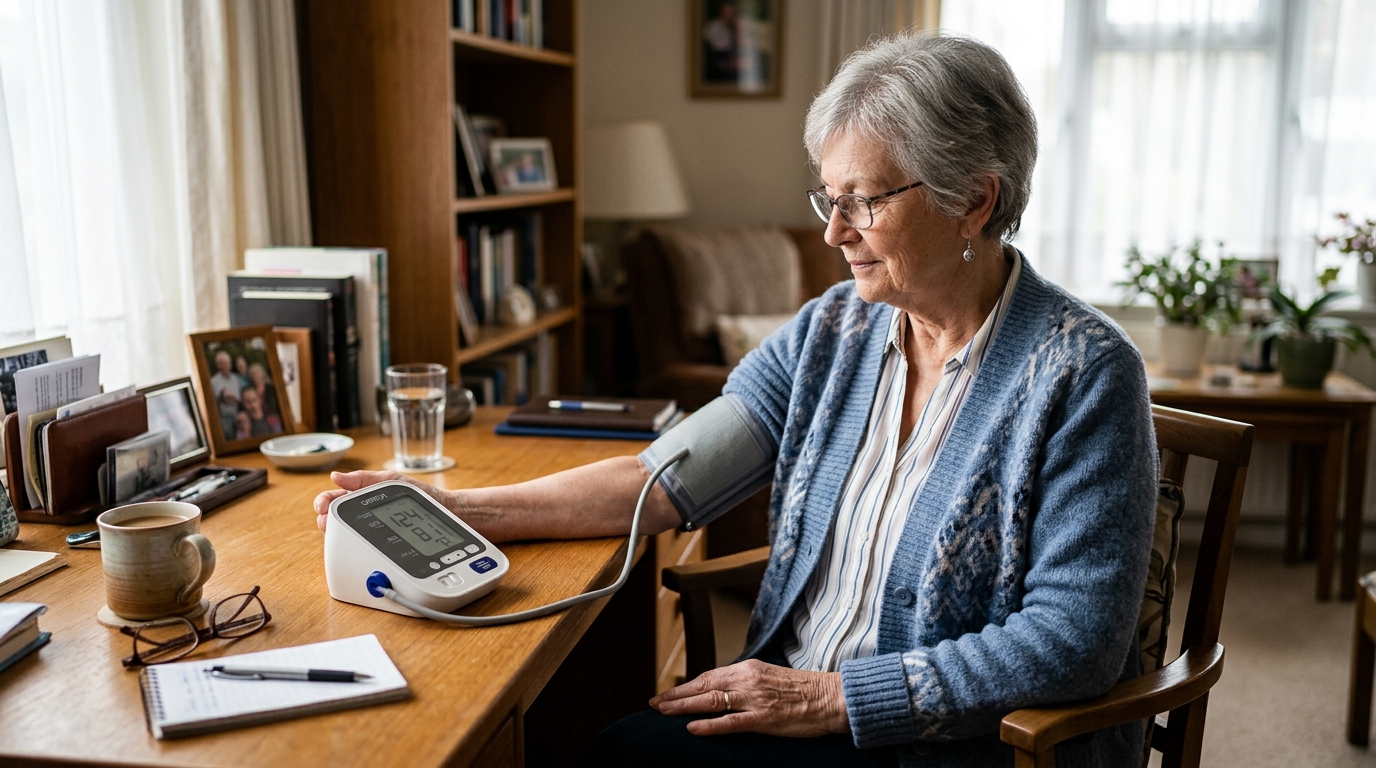
7 Proven Ways to Lower Blood Pressure Without Medication
High blood pressure, or hypertension, is a common concern as we age. The good news is that you don't always need medication to manage it. Lifestyle changes can be incredibly effective in lowering your blood pressure naturally. This article will explore seven proven strategies you can implement today to improve your heart health.
1. Embrace a Heart-Healthy Diet
What you eat plays a significant role in your blood pressure. A diet rich in fruits, vegetables, and whole grains can make a big difference. The DASH (Dietary Approaches to Stop Hypertension) diet is specifically designed to lower blood pressure. According to the National Heart, Lung, and Blood Institute (NHLBI), the DASH diet emphasizes:
- Eating plenty of fruits, vegetables, and fat-free or low-fat dairy products
- Including whole grains, fish, poultry, beans, seeds, and nuts
- Limiting sugary drinks and sweets, red meat, and added fats
Actionable Tip:
Start by adding one extra serving of vegetables to each meal. Swap sugary snacks for a piece of fruit. These small changes can add up to big results.
2. Reduce Your Sodium Intake
Sodium is a major contributor to high blood pressure. Most Americans consume far more sodium than they need. The American Heart Association recommends limiting sodium intake to no more than 2,300 milligrams per day, and ideally no more than 1,500 mg per day for most adults, especially those with high blood pressure.
Actionable Tips:
- Read food labels carefully and choose low-sodium options.
- Avoid processed foods, which are often high in sodium.
- Use herbs and spices to flavor your food instead of salt.
- When cooking, rinse canned beans and vegetables to remove excess sodium.
3. Get Regular Exercise
Physical activity is a powerful tool for lowering blood pressure. Regular exercise helps your heart pump more efficiently, which lowers the pressure in your arteries. Harvard Medical School research shows that even moderate exercise can significantly reduce blood pressure.
Recommended Activities:
- Brisk Walking: Aim for at least 30 minutes most days of the week.
- Swimming: A great low-impact option.
- Cycling: Another excellent cardiovascular workout.
- Strength Training: Incorporate light weightlifting or resistance exercises 2-3 times per week.
Actionable Tip:
Start slowly and gradually increase the intensity and duration of your workouts. Consult your doctor before starting any new exercise program.
4. Maintain a Healthy Weight
Being overweight or obese increases your risk of high blood pressure. Losing even a small amount of weight can have a significant impact. According to the Mayo Clinic, losing just 5-10% of your body weight can lower your blood pressure.
Actionable Tips:
- Focus on making sustainable lifestyle changes rather than quick fixes.
- Combine a healthy diet with regular exercise.
- Track your progress and celebrate your successes.
5. Limit Alcohol Consumption
While moderate alcohol consumption may have some health benefits, excessive drinking can raise blood pressure. The American Heart Association recommends that men limit themselves to no more than two drinks per day and women to no more than one drink per day.
Actionable Tip:
If you drink alcohol, do so in moderation. Consider cutting back or eliminating alcohol altogether to see if it improves your blood pressure.
6. Manage Stress
Stress can temporarily raise blood pressure. Chronic stress, however, can contribute to long-term hypertension. Finding healthy ways to manage stress is crucial for maintaining healthy blood pressure levels.
Stress-Reducing Techniques:
- Meditation: Even a few minutes of daily meditation can help calm your mind and lower your blood pressure.
- Deep Breathing Exercises: Practice taking slow, deep breaths to relax your body and mind.
- Yoga: Combines physical activity with relaxation techniques.
- Spending Time in Nature: Studies show that spending time outdoors can reduce stress and lower blood pressure.
Actionable Tip:
Try incorporating one or two of these stress-reducing techniques into your daily routine.
7. Get Enough Sleep
Sleep deprivation can negatively impact your blood pressure. Aim for 7-9 hours of quality sleep each night. A 2023 study published in the journal *Hypertension* found a strong correlation between poor sleep and increased risk of hypertension. The Cleveland Clinic recommends establishing a regular sleep schedule, creating a relaxing bedtime routine, and ensuring your bedroom is dark, quiet, and cool.
Actionable Tips:
- Go to bed and wake up at the same time each day, even on weekends.
- Create a relaxing bedtime routine, such as taking a warm bath or reading a book.
- Avoid caffeine and alcohol before bed.
Key Takeaways
- Adopting a heart-healthy diet like the DASH diet can significantly lower blood pressure.
- Reducing sodium intake is crucial for managing hypertension.
- Regular exercise, even moderate activity, can make a big difference.
- Managing stress through techniques like meditation and deep breathing is essential.
- Prioritizing sleep and aiming for 7-9 hours of quality sleep each night is vital for overall health and blood pressure control.
Lowering your blood pressure without medication is possible with consistent lifestyle changes. By implementing these seven strategies, you can take control of your heart health and improve your overall well-being. Remember to consult with your doctor before making any major changes to your diet or exercise routine, especially if you have underlying health conditions.
Want to learn more about heart health? Check out our other articles on SeniorVitalityHub.blog!

Comments