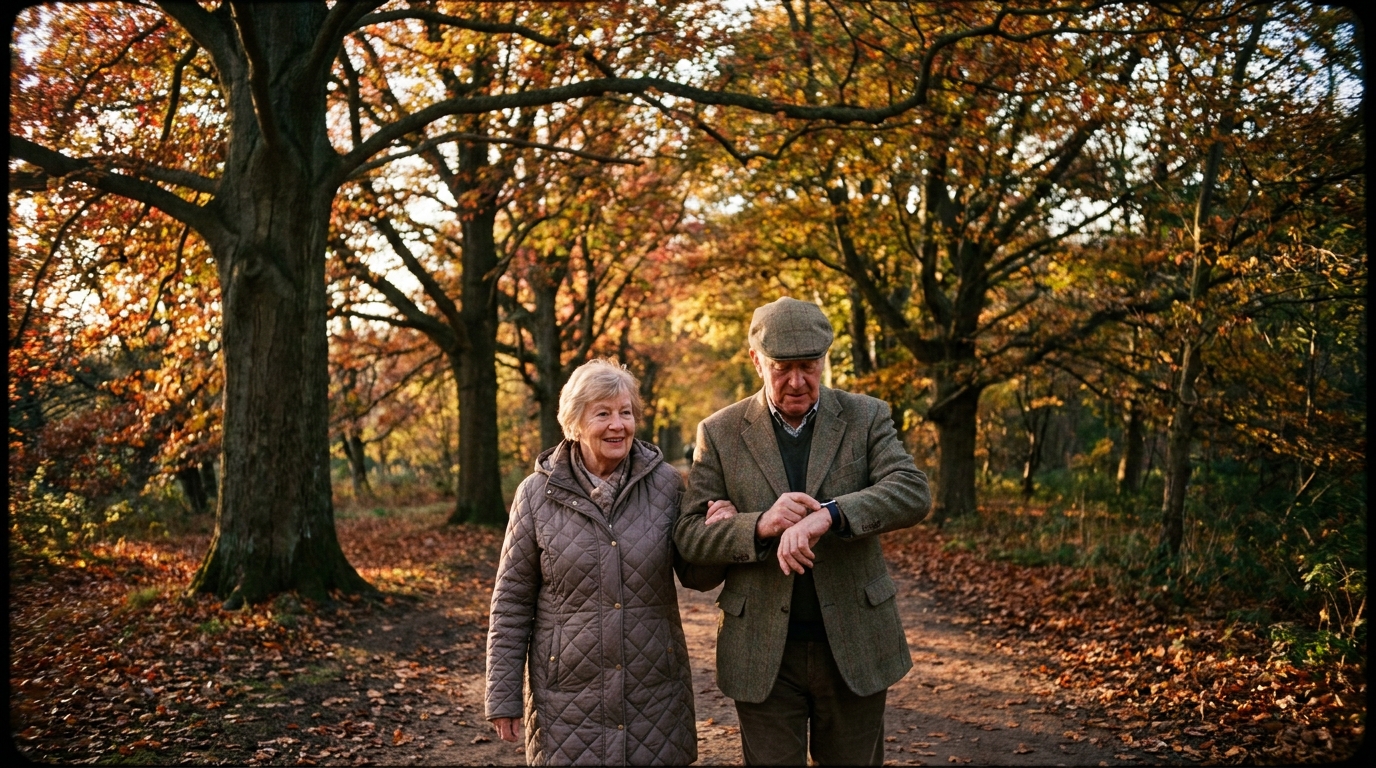
As we navigate our golden years, we often focus on the big movements—walking, gardening, or playing with grandchildren. Yet, the secret to maintaining our independence and confidence often lies in the smallest joints of our bodies: our ankles. The feet and ankles are the foundation upon which every step is built, and when they become stiff or weak, our balance suffers.
The Critical Role of Ankle Health
Why do ankles matter so much? Consider your ankle as the shock absorber and stabilizer of your body. When you walk on uneven pavement or transition from carpet to hardwood, your ankles perform thousands of tiny, micro-adjustments to keep you upright. According to the Mayo Clinic, maintaining flexibility and strength in the lower extremities is essential for preventing the muscle atrophy that often leads to increased fall risks in older adults.
When ankle mobility decreases, our gait changes. We tend to shuffle rather than lift our feet, which drastically increases the risk of tripping over minor obstacles. By integrating simple, chair-based exercises into your daily routine, you can reclaim your stability.
The Two Moves That Change Everything
Ankle Circles: Lubricating the Joint
Ankle circles are a gentle, effective way to maintain range of motion. By rotating the ankle, you encourage the production of synovial fluid, which lubricates the joint and reduces stiffness.
How to do it: Sit tall in a sturdy chair. Extend one leg out slightly. Slowly rotate your foot in a circular motion, tracing a large circle with your big toe. Perform 10 circles clockwise, then 10 counter-clockwise. Switch to the other foot.
Toe Raises: Strengthening the Stabilizers
Toe raises (or heel raises) target the tibialis anterior, the muscle responsible for lifting the front of your foot. Harvard Medical School research shows that strengthening these lower-leg muscles significantly improves gait speed and overall physical confidence during daily errands.
How to do it: While seated or standing (holding onto a counter for support), keep your heels on the floor and lift your toes as high as possible. Hold for two seconds, then lower. Repeat 15 times.
Why Science Backs These Tiny Movements
You might wonder if such small movements can truly make a difference. The answer is a resounding yes. A study published by the National Council on Aging (NCOA) emphasizes that falls are not an inevitable part of aging; they are often the result of preventable declines in lower-body strength and balance. By dedicating just five minutes a day to these ankle-specific exercises, you are actively training your proprioception—your body's ability to sense its position in space.
Furthermore, the Cleveland Clinic notes that foot and ankle exercises help improve circulation, which can mitigate swelling and discomfort after long periods of sitting. When your ankles are supple and strong, your entire kinetic chain—from your knees to your hips and back—functions more efficiently.
Key Takeaways for Your Daily Routine
- Consistency is King: Aim to perform these exercises at least once a day, perhaps while waiting for your morning coffee to brew.
- Listen to Your Body: You should feel a gentle stretch, not sharp pain. If you feel discomfort, reduce the range of motion.
- Safety First: Always use a sturdy chair without wheels, or hold onto a solid kitchen counter when practicing standing variations.
- Progressive Loading: As you get stronger, try doing these exercises while standing to challenge your balance further.
- Mindful Movement: Focus on the muscles you are working; the mind-body connection helps improve neural pathways for balance.
Getting Started Today
You don't need a gym membership or expensive equipment to start protecting your mobility. These exercises can be done in the comfort of your living room, while watching your favorite news program, or even at your desk. The goal is to keep the joints mobile and the muscles engaged. Remember, the journey to better balance is built one small, intentional movement at a time.
Ready to take the next step in your mobility journey? Explore our library of Chair-Based Strength Routines to find more ways to stay active and independent at home.


Comments