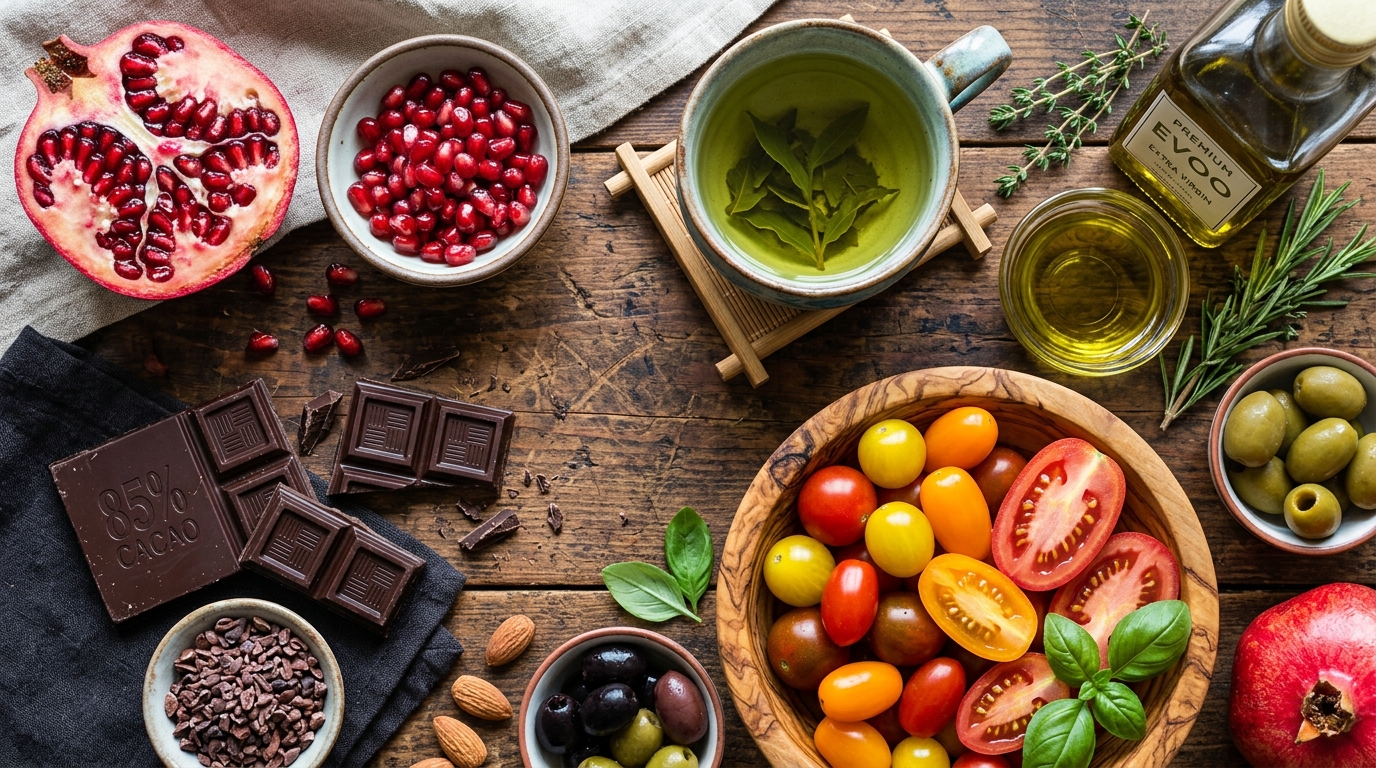
We all want to feel younger and more vibrant, and the idea of turning back the clock with food is certainly appealing. But what does the science actually say about anti-aging foods? At SeniorVitalityHub.blog, we're committed to providing you with evidence-based information to help you make informed choices about your health. Let’s explore the fascinating world of nutrition and aging, separating fact from fiction.
The Science of Aging: A Quick Overview
Aging is a complex process influenced by genetics, lifestyle, and environment. At a cellular level, it involves things like DNA damage, oxidative stress, and inflammation. While we can’t stop aging entirely, we can influence how we age. Nutrition plays a pivotal role in this process. According to the National Institute on Aging (NIA), a balanced diet rich in essential nutrients can help mitigate some of the negative effects of aging.
Top Anti-Aging Foods: Backed by Research
Here are some foods that have shown promise in supporting healthy aging, based on scientific evidence:
1. Berries: Antioxidant Powerhouses
Berries, like blueberries, strawberries, and raspberries, are packed with antioxidants called anthocyanins. These compounds help protect cells from damage caused by free radicals, which contribute to aging and age-related diseases. Harvard Medical School research shows that regular consumption of berries is associated with improved cognitive function and reduced risk of cardiovascular disease.
Actionable Tip: Add a handful of berries to your morning oatmeal or yogurt, or enjoy them as a snack.
2. Leafy Green Vegetables: Nutrient-Dense and Protective
Spinach, kale, and other leafy greens are rich in vitamins, minerals, and antioxidants. They are particularly high in vitamin K, which is essential for bone health, and lutein, which supports eye health. A study published in the American Journal of Clinical Nutrition found that individuals with higher intakes of leafy green vegetables had a lower risk of age-related macular degeneration.
Actionable Tip: Incorporate a side salad with leafy greens into your lunch or dinner, or add spinach to your smoothies.
3. Fatty Fish: Omega-3s for Brain and Heart Health
Salmon, tuna, and mackerel are excellent sources of omega-3 fatty acids, which are crucial for brain and heart health. Omega-3s have anti-inflammatory properties and may help protect against cognitive decline. The Mayo Clinic recommends consuming at least two servings of fatty fish per week to reap these benefits.
Actionable Tip: Grill, bake, or pan-fry a serving of fatty fish for dinner once or twice a week.
4. Nuts and Seeds: Healthy Fats and Fiber
Almonds, walnuts, chia seeds, and flaxseeds are rich in healthy fats, fiber, and antioxidants. They can help lower cholesterol levels, improve blood sugar control, and protect against oxidative stress. A 2019 study in the New England Journal of Medicine linked regular nut consumption to a lower risk of cardiovascular disease and overall mortality.
Actionable Tip: Keep a small bag of nuts or seeds handy for a quick and healthy snack, or sprinkle them on salads and yogurt.
5. Olive Oil: A Mediterranean Staple
Extra virgin olive oil is a key component of the Mediterranean diet, which is consistently ranked as one of the healthiest diets in the world. It's rich in monounsaturated fats and antioxidants, which can help protect against heart disease, stroke, and certain cancers. Research from the Cleveland Clinic indicates that the anti-inflammatory properties of olive oil contribute to its health benefits.
Actionable Tip: Use olive oil as your primary cooking oil and drizzle it over salads and vegetables.
6. Legumes: Protein and Fiber Powerhouse
Beans, lentils, and peas are excellent sources of plant-based protein and fiber. They help regulate blood sugar levels, promote gut health, and can contribute to weight management. Studies have shown that diets rich in legumes are associated with a lower risk of chronic diseases like type 2 diabetes and heart disease.
Actionable Tip: Incorporate legumes into your meals by adding them to soups, stews, salads, or making vegetarian chili.
Foods to Limit or Avoid
While incorporating anti-aging foods is important, it's equally crucial to limit or avoid foods that can accelerate aging and increase the risk of chronic diseases. These include:
- Processed foods: Often high in sugar, salt, and unhealthy fats.
- Sugary drinks: Can contribute to weight gain, insulin resistance, and inflammation.
- Excessive alcohol: Can damage the liver and increase the risk of certain cancers.
- Trans fats: Found in some fried foods and processed snacks, linked to heart disease.
The Importance of a Balanced Diet
No single food is a magic bullet for anti-aging. The key is to adopt a balanced diet that includes a variety of nutrient-rich foods. This approach ensures that you're getting all the essential vitamins, minerals, and antioxidants your body needs to thrive. The AARP provides excellent resources on building a balanced diet for seniors.
Beyond Food: Other Lifestyle Factors
While nutrition is crucial, it's important to remember that other lifestyle factors also play a significant role in healthy aging. These include:
- Regular exercise: Helps maintain muscle mass, bone density, and cardiovascular health.
- Adequate sleep: Essential for cellular repair and cognitive function.
- Stress management: Chronic stress can accelerate aging and increase the risk of disease.
- Social connection: Maintaining strong social bonds can improve mental and emotional well-being.
Key Takeaways
- A balanced diet rich in fruits, vegetables, healthy fats, and lean protein can support healthy aging.
- Berries, leafy greens, fatty fish, nuts, and olive oil are examples of foods with anti-aging properties.
- Limiting processed foods, sugary drinks, and excessive alcohol is crucial for overall health.
- Combining a healthy diet with regular exercise, adequate sleep, and stress management is key to thriving as you age.
- Consult with your healthcare provider or a registered dietitian for personalized nutrition advice.
By incorporating these science-backed tips into your daily routine, you can take proactive steps towards a healthier and more vibrant future. Remember, it's never too late to start making positive changes!
Want to learn more about healthy aging? Explore our other articles on SeniorVitalityHub.blog for expert advice on nutrition, fitness, and overall well-being. Click here to discover more!

Comments