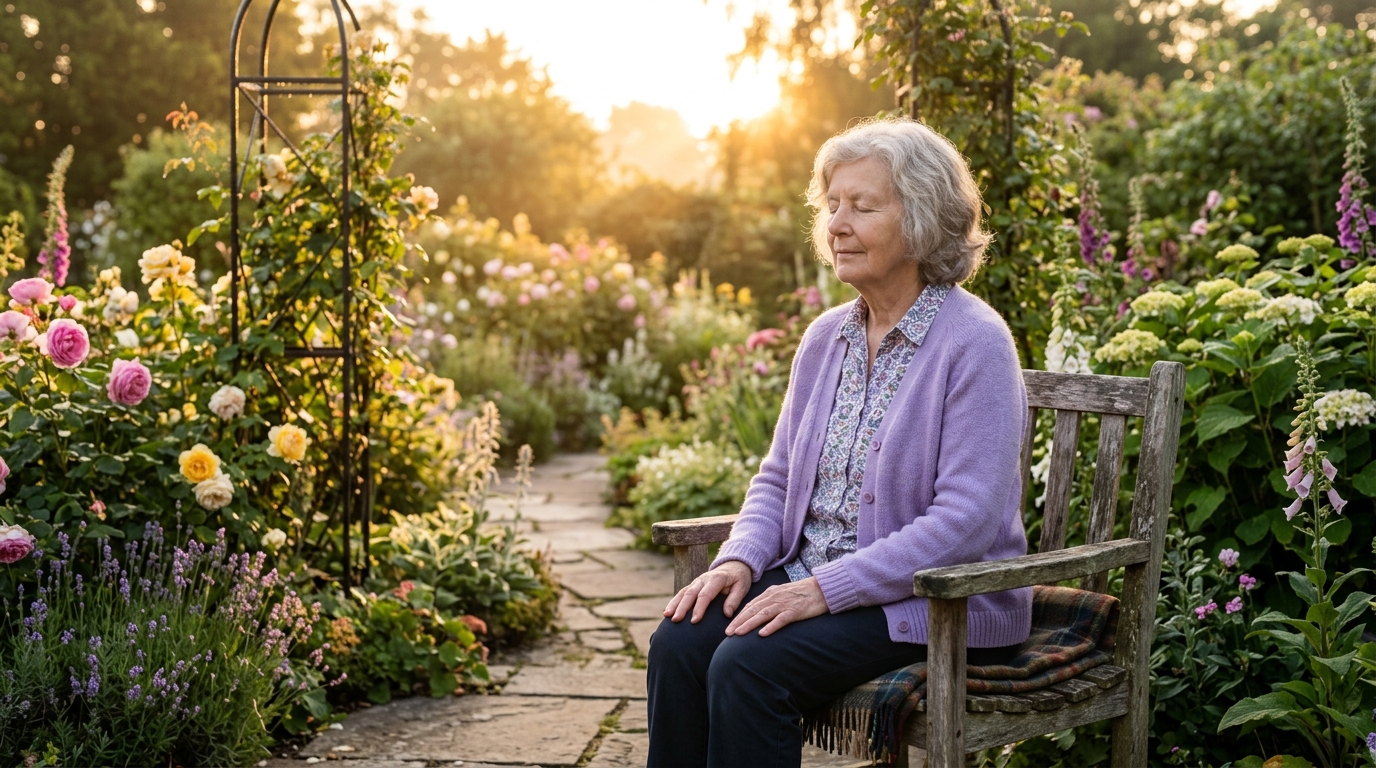
Anxiety is a common experience, but it can become overwhelming and debilitating, especially as we age. While medication and therapy are effective treatments, many seniors are looking for natural ways to manage their anxiety. This article explores evidence-based natural approaches to help you regain a sense of calm and control.
Understanding Anxiety in Later Life
Anxiety in seniors can stem from various sources, including health concerns, financial worries, social isolation, loss of loved ones, and adjusting to new life stages like retirement. It's important to distinguish between normal worry and an anxiety disorder. According to the National Council on Aging (NCOA), anxiety disorders are not a normal part of aging and should be addressed with professional help if they significantly impact daily life.
Symptoms of Anxiety
Anxiety manifests differently in everyone, but common symptoms include:
- Excessive worrying
- Restlessness or feeling on edge
- Difficulty concentrating
- Sleep disturbances
- Muscle tension
- Fatigue
- Irritability
- Panic attacks (sudden episodes of intense fear)
It's crucial to consult with your doctor to rule out any underlying medical conditions that may be contributing to your anxiety.
Natural Approaches to Managing Anxiety
Here are several natural strategies backed by research that can help seniors manage anxiety:
1. Mindful Meditation and Relaxation Techniques
Mindfulness meditation involves focusing on the present moment without judgment. This practice can help reduce anxiety by calming the mind and promoting relaxation. Harvard Medical School research shows that regular meditation can alter the brain's structure and function, leading to decreased anxiety and improved emotional regulation.
Actionable Tip: Start with 5-10 minutes of guided meditation each day using a meditation app or online video. Focus on your breath and gently redirect your attention when your mind wanders.
2. Regular Physical Activity
Exercise is a powerful tool for managing anxiety. Physical activity releases endorphins, which have mood-boosting effects. A 2018 study published in the journal Frontiers in Psychiatry found that exercise can be as effective as medication in reducing anxiety symptoms in some individuals. The Cleveland Clinic recommends at least 150 minutes of moderate-intensity aerobic exercise per week for overall health and mental well-being.
Actionable Tip: Aim for at least 30 minutes of moderate-intensity exercise most days of the week. This could include walking, swimming, cycling, or dancing. Choose activities you enjoy to make it more sustainable.
3. Healthy Diet and Nutrition
What you eat can significantly impact your mood and anxiety levels. A balanced diet rich in fruits, vegetables, whole grains, and lean protein provides essential nutrients that support brain function. The Mayo Clinic emphasizes the importance of limiting processed foods, sugary drinks, and excessive caffeine, as these can exacerbate anxiety symptoms.
Actionable Tip: Incorporate more whole foods into your diet and limit processed foods, sugar, and caffeine. Consider consulting with a registered dietitian to develop a personalized meal plan.
4. Social Connection and Support
Social isolation and loneliness can contribute to anxiety in seniors. Maintaining strong social connections and engaging in meaningful activities can provide a sense of purpose and belonging. According to AARP, social interaction is crucial for mental and emotional well-being, especially in later life.
Actionable Tip: Schedule regular visits with family and friends, join a social club or activity group, or volunteer in your community. Even small interactions can make a big difference.
5. Prioritizing Sleep Hygiene
Poor sleep can worsen anxiety symptoms, and anxiety can disrupt sleep. Establishing a consistent sleep routine and practicing good sleep hygiene can help improve both sleep quality and anxiety levels. Johns Hopkins Medicine recommends creating a relaxing bedtime routine, avoiding screen time before bed, and ensuring your bedroom is dark, quiet, and cool.
Actionable Tip: Go to bed and wake up at the same time each day, even on weekends. Create a relaxing bedtime routine, such as taking a warm bath or reading a book. Avoid caffeine and alcohol before bed.
6. Herbal Remedies (Consult Your Doctor First!)
Some herbal remedies, such as chamomile, lavender, and valerian root, have been traditionally used to promote relaxation and reduce anxiety. However, it's crucial to consult with your doctor before using any herbal supplements, as they can interact with medications or have side effects. The National Institutes of Health (NIH) provides information on the safety and efficacy of various herbal remedies, but emphasizes the importance of professional medical advice.
Actionable Tip: If you're interested in trying herbal remedies, talk to your doctor first to ensure they are safe and appropriate for you. Start with a low dose and monitor for any side effects.
Key Takeaways
- Anxiety is a common but treatable condition in seniors.
- Natural approaches, such as mindfulness, exercise, and healthy eating, can be effective in managing anxiety.
- Social connection and good sleep hygiene are crucial for mental well-being.
- Consult with your doctor before using any herbal remedies or making significant changes to your treatment plan.
- Small, consistent lifestyle changes can make a big difference in reducing anxiety and improving your overall quality of life.
Remember, you're not alone, and help is available. By incorporating these natural strategies into your daily routine, you can take control of your anxiety and live a happier, healthier life.
Want to learn more about maintaining your mental and emotional well-being as you age? Explore our other articles on SeniorVitalityHub.blog for more insights and practical tips!

Comments