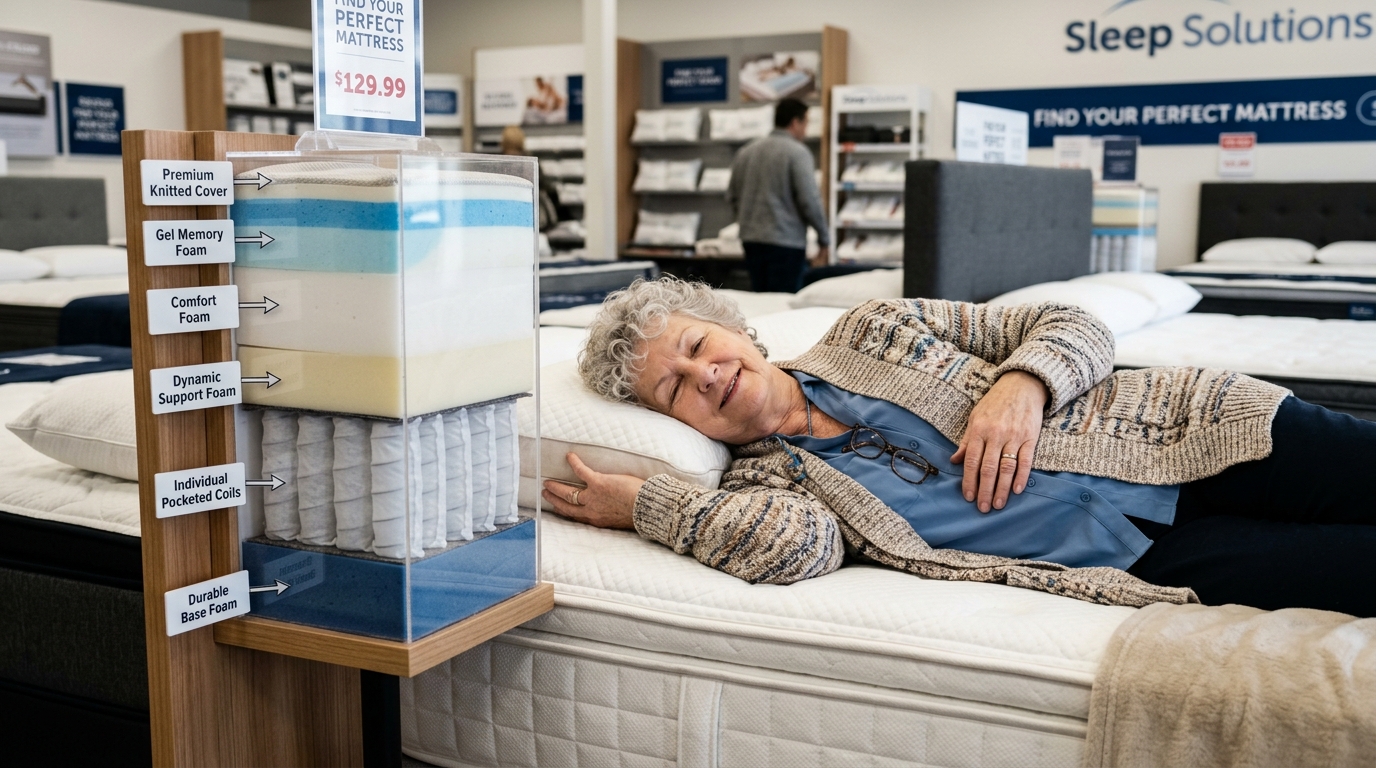
Best Mattress and Pillow for Seniors With Arthritis
Arthritis can make getting a good night's sleep a real challenge. The pain, stiffness, and inflammation can keep you tossing and turning, leaving you feeling exhausted and achy in the morning. But the right mattress and pillow can make a significant difference. This article will guide you through choosing the best options to alleviate pressure, support your joints, and improve your sleep quality.
Understanding Arthritis and Sleep
Arthritis, particularly osteoarthritis and rheumatoid arthritis, affects millions of seniors. Osteoarthritis involves the breakdown of cartilage in joints, while rheumatoid arthritis is an autoimmune disease causing inflammation of the joint lining. Both conditions can lead to chronic pain that disrupts sleep.
According to the Arthritis Foundation, pain is a major sleep disruptor for individuals with arthritis. The pain signals travel to the brain, making it difficult to fall asleep and stay asleep. Furthermore, lack of sleep can worsen arthritis pain, creating a vicious cycle. Harvard Medical School research shows that poor sleep can increase inflammation in the body, exacerbating arthritis symptoms.
Key Considerations When Choosing a Mattress
Selecting the right mattress is crucial for managing arthritis pain and promoting restful sleep. Here's what to look for:
1. Pressure Relief
A mattress that conforms to your body's contours can help distribute your weight evenly and reduce pressure on sensitive joints. Memory foam and latex mattresses are excellent choices for pressure relief. Memory foam responds to your body heat and weight, molding to your shape. Latex, whether natural or synthetic, offers a similar conforming feel but with more bounce and breathability.
2. Support
Proper spinal alignment is essential for minimizing pain and stiffness. Look for a mattress that provides adequate support to keep your spine in a neutral position. Mattresses with a medium-firm to firm feel are generally recommended for people with arthritis, but the ideal firmness level depends on your body weight and sleeping position. Side sleepers may prefer a slightly softer mattress to cushion their hips and shoulders, while back and stomach sleepers typically benefit from a firmer surface.
3. Motion Isolation
If you share your bed with a partner, motion isolation is an important feature to consider. Mattresses with good motion isolation absorb movement, preventing you from being disturbed by your partner's tossing and turning. Memory foam mattresses excel at motion isolation, while innerspring mattresses tend to transfer more motion.
4. Edge Support
Strong edge support can make it easier to get in and out of bed, which is particularly helpful for seniors with limited mobility or pain. Mattresses with reinforced edges provide a stable surface to sit on and prevent you from feeling like you're going to roll off the bed.
5. Mattress Type
Several mattress types can be suitable for people with arthritis. Here's a breakdown of the most popular options:
- Memory Foam: Excellent pressure relief and motion isolation. Can trap heat, so look for gel-infused or open-cell memory foam for better breathability.
- Latex: Durable, supportive, and breathable. Natural latex is hypoallergenic and eco-friendly.
- Hybrid: Combines the benefits of innerspring and foam mattresses. Offers a balance of support, pressure relief, and breathability. Look for hybrids with a thick comfort layer of memory foam or latex.
- Innerspring: Traditional mattress type with coils for support. Can be less effective at pressure relief than foam or latex mattresses.
Choosing the Right Pillow
A supportive pillow is just as important as a good mattress for maintaining proper spinal alignment and reducing neck and shoulder pain. Here's what to look for in a pillow:
1. Loft (Thickness)
The ideal pillow loft depends on your sleeping position. Side sleepers typically need a higher loft to fill the space between their head and shoulder, while back sleepers usually prefer a medium loft. Stomach sleepers may benefit from a very thin pillow or no pillow at all.
2. Fill Material
Pillow fill materials can affect comfort, support, and breathability. Here are some common options:
- Memory Foam: Conforms to the shape of your head and neck, providing excellent support and pressure relief. Can trap heat.
- Latex: Similar to memory foam but with more bounce and breathability.
- Down: Soft and lightweight, but may not provide enough support for some people.
- Feather: Similar to down but can be firmer and more supportive.
- Polyester: Affordable and hypoallergenic, but can flatten out over time.
- Buckwheat: Provides firm support and conforms to the shape of your head and neck. Can be noisy.
3. Adjustability
Some pillows allow you to adjust the fill level to customize the loft and firmness. Adjustable pillows can be a good option if you're unsure about your preferred pillow height or if your needs change over time.
4. Consider a Cervical Pillow
Cervical pillows are designed to support the natural curve of your neck and promote proper spinal alignment. These pillows can be particularly helpful for people with neck pain or stiffness. A study published in the Journal of Manipulative and Physiological Therapeutics found that cervical pillows can reduce neck pain and improve sleep quality.
Practical Tips for Better Sleep With Arthritis
Beyond choosing the right mattress and pillow, here are some additional tips to improve your sleep quality:
- Establish a regular sleep schedule: Go to bed and wake up at the same time each day, even on weekends.
- Create a relaxing bedtime routine: Take a warm bath, read a book, or listen to calming music before bed.
- Optimize your sleep environment: Make sure your bedroom is dark, quiet, and cool.
- Avoid caffeine and alcohol before bed: These substances can interfere with sleep.
- Talk to your doctor about pain management: They may recommend medications or other treatments to help control your arthritis pain. According to the Mayo Clinic, managing pain is crucial for improving sleep in people with arthritis.
- Gentle Exercise: The National Council on Aging (NCOA) recommends gentle exercise, like walking or swimming, can improve sleep quality and reduce arthritis pain. Avoid strenuous activity close to bedtime.
Key Takeaways
- The right mattress and pillow can significantly improve sleep quality for seniors with arthritis.
- Look for a mattress that provides pressure relief, support, and motion isolation.
- Choose a pillow with the appropriate loft and fill material for your sleeping position.
- Establish a regular sleep schedule and create a relaxing bedtime routine.
- Manage your arthritis pain with medication, exercise, and other treatments as recommended by your doctor.
Investing in a quality mattress and pillow is an investment in your health and well-being. By following these tips, you can create a sleep environment that promotes restful sleep and reduces arthritis pain.
Want to learn more about healthy living for seniors? Check out our other articles on SeniorVitalityHub.blog!

Comments