Blue Zones Secrets: What the World's Longest-Lived People Do
We all want to live longer, healthier lives. But what's the secret? For clues, many researchers look to the "Blue Zones" – regions around the world where people consistently live to 100 or older at significantly higher rates than average. These aren't just places where people survive; they thrive, maintaining vitality and independence well into their golden years. Let's explore the lifestyle secrets of these remarkable communities and how you can incorporate them into your own life.
What are the Blue Zones?
The term "Blue Zones" was popularized by Dan Buettner, who, along with National Geographic, identified five regions with exceptional longevity:
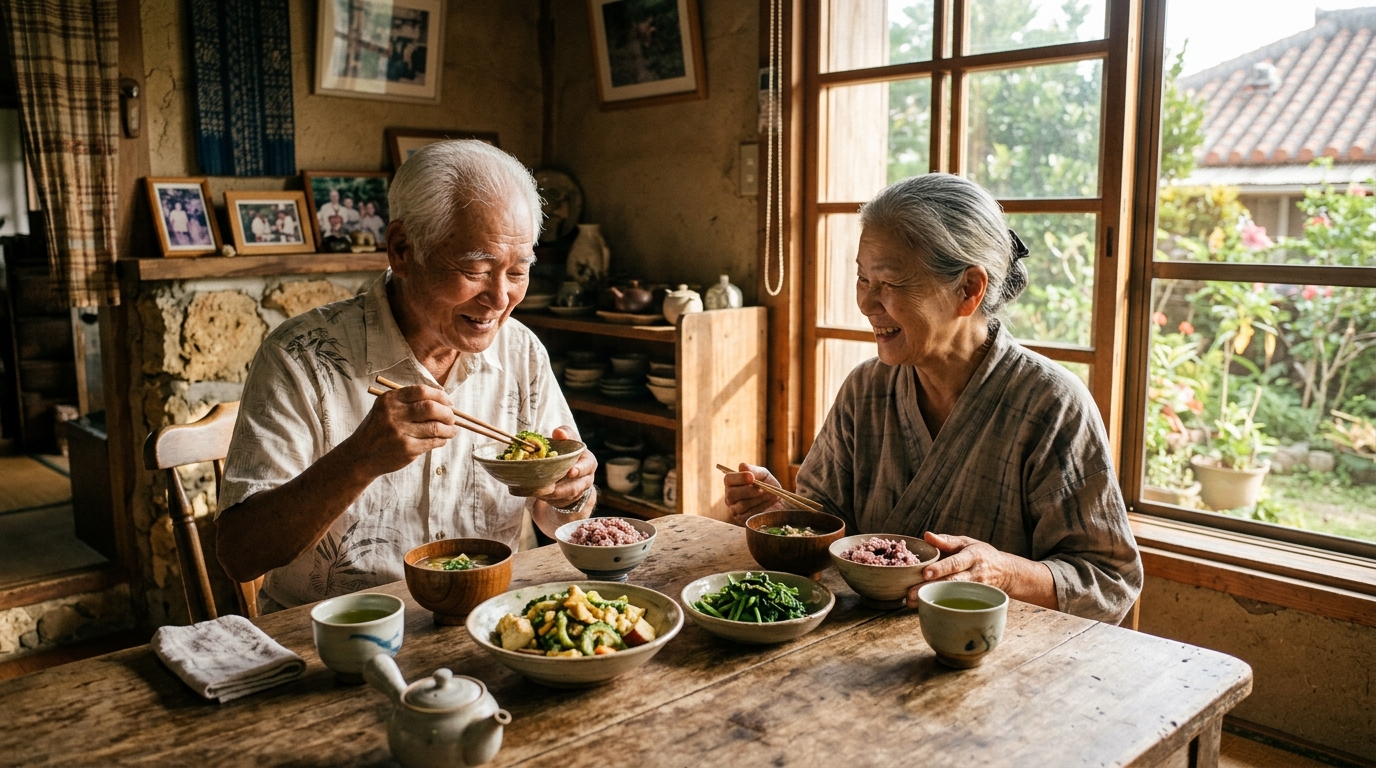
- Okinawa, Japan: Known for their strong sense of community and plant-based diet.
- Sardinia, Italy: Where shepherds live active lives and drink moderate amounts of red wine.
- Nicoya Peninsula, Costa Rica: Emphasizing family, faith, and a diet rich in beans and corn.
- Ikaria, Greece: An island where people enjoy a Mediterranean diet and a relaxed pace of life.
- Loma Linda, California: A community of Seventh-day Adventists who follow a vegetarian diet and prioritize faith and community.
While geographically diverse, these Blue Zones share common lifestyle characteristics that contribute to their residents' remarkable longevity.
The 9 Common Denominators of Longevity
Buettner and his team identified nine evidence-based common denominators, often called the "Power 9," that are shared across all Blue Zones. These aren’t strict rules, but rather guiding principles woven into the fabric of daily life:
1. Move Naturally
Blue Zones residents don't pump iron at the gym; instead, they live in environments that constantly nudge them to move. They garden, walk, and do chores without relying on modern conveniences. Incorporate more natural movement into your day by taking the stairs instead of the elevator, walking or biking for short errands, and gardening.
2. Purpose (Ikigai or Plan de Vida)
Knowing your sense of purpose is crucial. Okinawans call it "Ikigai," and Nicoyans call it "Plan de Vida." It's knowing why you get out of bed in the morning. AARP research suggests that having a strong sense of purpose is associated with a lower risk of Alzheimer's disease and other cognitive impairments. Spend some time reflecting on what brings you joy and fulfillment, and find ways to incorporate those activities into your daily life. Volunteer, mentor, or pursue a hobby you're passionate about.
3. Down Shift
Stress is a major contributor to chronic disease. People in Blue Zones have routines to shed stress. Okinawans take a few moments each day to remember their ancestors, Adventists pray, Ikarians nap, and Sardinians enjoy happy hour. Find a stress-reducing activity that works for you, whether it's meditation, yoga, spending time in nature, or simply taking a few deep breaths throughout the day.
4. The 80% Rule
"Hara hachi bu" – the Okinawan mantra to stop eating when you are 80% full. This mindful eating practice helps prevent overeating and weight gain. Eat slowly, pay attention to your body's signals, and stop when you feel satisfied, not stuffed. Use smaller plates and avoid distractions while eating.
5. Plant Slant
Beans are a cornerstone of most centenarian diets. People in Blue Zones primarily eat plant-based foods, with meat consumed sparingly (about five times per month). Focus on incorporating more fruits, vegetables, legumes, and whole grains into your diet. Try a new vegetarian recipe each week and explore different types of beans and lentils.
6. Wine at 5
People in all Blue Zones (except Adventists) drink alcohol moderately and regularly. The trick is to drink 1-2 glasses per day with food and with friends. Harvard Medical School research indicates that moderate alcohol consumption (particularly red wine) may have cardiovascular benefits. If you choose to drink alcohol, do so in moderation and enjoy it with a meal and good company.
7. Belong
All but five of the 263 centenarians interviewed belonged to a faith-based community. Research from the National Council on Aging (NCOA) highlights the importance of social connections for healthy aging. Belonging to a community provides a sense of belonging, support, and purpose. Whether it's a religious group, a book club, or a volunteer organization, find a community where you feel connected and supported.
8. Loved Ones First
Blue Zones centenarians put their families first. They keep aging parents and grandparents nearby or in the home (which lowers disease and mortality rates of children in the home too). They commit to a life partner (which can add up to 3 years to life expectancy) and invest in their children. Prioritize spending time with loved ones, nurturing your relationships, and creating a strong family support system.
9. Right Tribe
The world’s longest-lived people chose – or were born into – social circles that supported healthy behaviors. Okinawan Moais are groups of five friends that commit to each other for life. According to the Cleveland Clinic, social support is a critical factor in overall health and well-being. Surround yourself with people who encourage healthy habits and support your goals. Join a walking group, a cooking class, or any activity that aligns with your values and interests.
Practical Tips for Incorporating Blue Zones Principles
- Start a garden: Growing your own fruits and vegetables encourages movement and provides fresh, healthy food.
- Cook at home more often: This allows you to control ingredients and portion sizes. Focus on plant-based meals.
- Walk after meals: A short walk can aid digestion and improve blood sugar control.
- Connect with friends and family regularly: Schedule regular get-togethers or phone calls to maintain strong social connections.
- Find a sense of purpose: Volunteer, take a class, or pursue a hobby that brings you joy and fulfillment.
Key Takeaways
- Blue Zones are regions with exceptionally high rates of longevity and vitality.
- The "Power 9" common denominators offer valuable insights into the lifestyle factors that contribute to long life.
- Small, consistent changes to your daily routine can have a significant impact on your health and well-being.
- Focus on natural movement, a plant-based diet, strong social connections, and a sense of purpose.
- The Blue Zones lifestyle is not about deprivation, but about creating a fulfilling and balanced life.
The secrets of the Blue Zones are not about restrictive diets or grueling exercise routines. They are about creating a lifestyle that naturally promotes health, well-being, and longevity. By incorporating these principles into your own life, you can increase your chances of living a longer, healthier, and more fulfilling life.
Want to learn more about healthy aging? Check out our other articles on nutrition, fitness, and mental well-being!

Comments