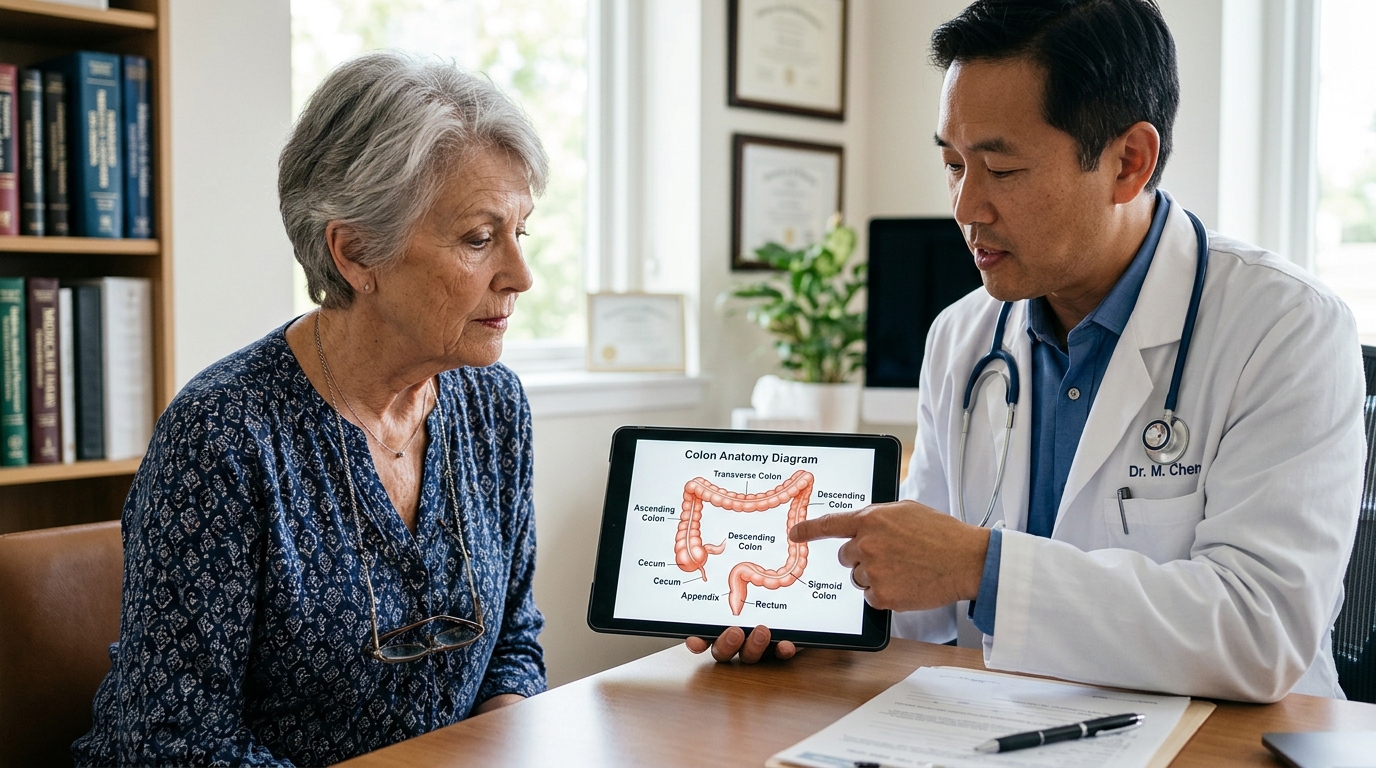
Maintaining good colon health is crucial as we age. The colon, also known as the large intestine, plays a vital role in digestion, absorbing water and nutrients, and eliminating waste. After 60, the risk of colon-related issues, including colorectal cancer, increases. This article will guide you through recommended screening schedules and highlight warning signs to watch out for, empowering you to take proactive steps for a healthier future.
Why Colon Health Matters After 60
As we get older, our bodies undergo various changes that can impact colon health. These include a slower metabolism, decreased muscle tone in the digestive tract, and an increased susceptibility to certain diseases. According to the American Cancer Society, the risk of colorectal cancer rises significantly after age 50, with the majority of cases diagnosed in individuals over 60. Therefore, understanding and prioritizing colon health becomes increasingly important.
Age-Related Changes and the Colon
Several age-related changes can affect colon function:
- Slower Digestion: The digestive process tends to slow down with age, leading to constipation and other digestive discomforts.
- Reduced Muscle Tone: The muscles in the colon may weaken, making it harder to move waste through the digestive tract.
- Increased Risk of Polyps: Polyps, small growths on the lining of the colon, become more common with age. While most polyps are harmless, some can develop into cancer if left undetected.
Recommended Colon Cancer Screening Schedule
Regular screening is the most effective way to detect colorectal cancer early when it is most treatable. The U.S. Preventive Services Task Force recommends that adults aged 45 to 75 be screened for colorectal cancer. If you are between 76 and 85, talk to your doctor about whether continuing screening is right for you, as the decision should be individualized based on your overall health and risk factors. People over 85 generally do not need colorectal cancer screening. According to the National Institutes of Health (NIH), various screening options are available, each with its own advantages and disadvantages.
Screening Options
Here's a breakdown of common screening methods:
- Colonoscopy: This involves inserting a long, flexible tube with a camera attached into the rectum to view the entire colon. Colonoscopies are typically recommended every 10 years if results are normal. According to the Mayo Clinic, colonoscopy is considered the gold standard for colon cancer screening because it allows for the detection and removal of polyps during the procedure.
- Flexible Sigmoidoscopy: Similar to a colonoscopy, but it only examines the lower part of the colon (sigmoid colon). It's usually performed every 5 years, often with a fecal immunochemical test (FIT) every year.
- Fecal Immunochemical Test (FIT): This test detects hidden blood in the stool, which can be a sign of colon cancer or polyps. It's typically done annually.
- Stool DNA Test (Cologuard): This test analyzes a stool sample for both blood and DNA changes that may indicate the presence of cancer or polyps. It's usually performed every 3 years.
- CT Colonography (Virtual Colonoscopy): This uses X-rays and computers to create images of the colon. It's typically performed every 5 years.
Choosing the Right Screening Method
The best screening method for you depends on various factors, including your personal preferences, medical history, and risk factors. Talk to your doctor to discuss the options and determine which one is most appropriate for you. Harvard Medical School advises that you openly discuss your concerns and any family history of colon cancer with your physician.
Warning Signs: When to See a Doctor
While regular screening is essential, it's also crucial to be aware of potential warning signs that could indicate a problem in your colon. Don't hesitate to seek medical attention if you experience any of the following:
Symptoms to Watch For
- Changes in Bowel Habits: Persistent diarrhea, constipation, or a change in the consistency of your stool.
- Rectal Bleeding or Blood in Stool: Even small amounts of blood should be evaluated by a doctor.
- Abdominal Pain or Cramping: Persistent abdominal discomfort, especially if accompanied by other symptoms.
- Unexplained Weight Loss: Losing weight without trying can be a sign of an underlying health issue.
- Fatigue or Weakness: Feeling unusually tired or weak could be a symptom of colon cancer or other digestive problems.
Don't Ignore Your Gut
It's important to remember that these symptoms can also be caused by other conditions. However, it's always best to err on the side of caution and consult with your doctor if you experience any concerning symptoms. Early detection is key to successful treatment.
Lifestyle Tips for a Healthy Colon
In addition to regular screening, adopting healthy lifestyle habits can significantly contribute to colon health:
Dietary Recommendations
- High-Fiber Diet: Include plenty of fruits, vegetables, whole grains, and legumes in your diet. Fiber helps promote regular bowel movements and can reduce the risk of colon cancer. AARP recommends aiming for at least 25-30 grams of fiber per day.
- Limit Red and Processed Meats: Studies have linked high consumption of red and processed meats to an increased risk of colorectal cancer.
- Stay Hydrated: Drink plenty of water throughout the day to help keep your stool soft and prevent constipation.
Other Healthy Habits
- Regular Exercise: Physical activity can help improve digestion and reduce the risk of colon cancer. Aim for at least 30 minutes of moderate-intensity exercise most days of the week.
- Maintain a Healthy Weight: Obesity is a risk factor for colorectal cancer.
- Limit Alcohol Consumption: Excessive alcohol intake can increase the risk of colon cancer.
- Quit Smoking: Smoking is linked to an increased risk of various cancers, including colorectal cancer.
Key Takeaways
- Colon health is crucial after 60 due to increased risk of age-related digestive issues and colorectal cancer.
- Regular colon cancer screening is highly recommended for adults aged 45-75; discuss with your doctor about continuing screening after 75.
- Be aware of warning signs such as changes in bowel habits, rectal bleeding, abdominal pain, unexplained weight loss, and fatigue.
- Adopt healthy lifestyle habits, including a high-fiber diet, regular exercise, and maintaining a healthy weight.
- Talk to your doctor about the best colon cancer screening method for you and any concerns you may have.
Taking care of your colon health is an investment in your overall well-being. By following the recommended screening guidelines, being aware of warning signs, and adopting healthy lifestyle habits, you can significantly reduce your risk of colon-related problems and enjoy a healthier, more active life.
Ready to learn more about healthy aging? Check out our other articles on SeniorVitalityHub.blog today!

Comments