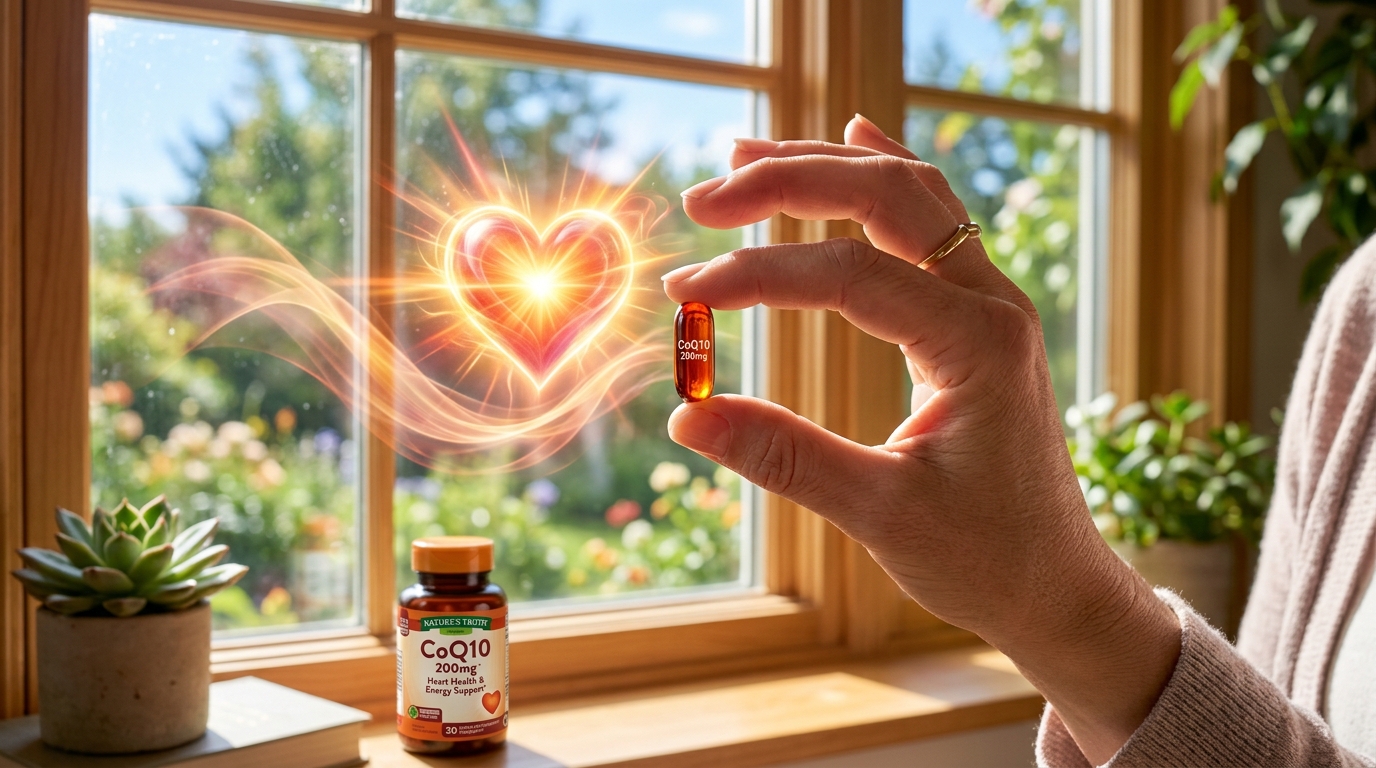
As we gracefully age, maintaining our heart health and energy levels becomes increasingly important. You might be wondering how to support these vital aspects of your well-being. One supplement that's been gaining attention is Coenzyme Q10, often shortened to CoQ10. But what exactly is it, and why is it particularly relevant for those of us over 60?
What is CoQ10?
CoQ10 is a naturally occurring compound in your body that plays a crucial role in energy production within your cells. Think of it as a tiny spark plug that helps your cells function optimally. It's also a powerful antioxidant, protecting your cells from damage caused by free radicals. According to the National Institutes of Health (NIH), CoQ10 is found in every cell of the body, but its highest concentrations are in organs with the greatest energy demands, such as the heart, liver, and kidneys.
Why is CoQ10 Important, Especially After 60?
As we age, our natural CoQ10 production declines. This decrease can contribute to several age-related health concerns, including:
- Reduced Energy Levels: Lower CoQ10 levels can impact cellular energy production, leading to fatigue and decreased stamina.
- Heart Health Issues: The heart relies heavily on CoQ10 for its energy needs. Deficiencies can exacerbate existing heart conditions or increase the risk of developing new ones.
- Medication Side Effects: Certain medications, particularly statins (used to lower cholesterol), can further deplete CoQ10 levels in the body. Harvard Medical School notes that statins can interfere with the pathway that produces both cholesterol and CoQ10.
The Heart Health Connection
The heart benefits significantly from CoQ10's energy-boosting and antioxidant properties. Here’s how:
Supporting Heart Function
CoQ10 helps the heart muscle contract efficiently. This is vital for maintaining healthy blood flow throughout the body. Studies have indicated that CoQ10 supplementation may improve symptoms of heart failure. A meta-analysis published in the journal Pharmacology & Therapeutics reviewed multiple studies and concluded that CoQ10 supplementation could significantly improve cardiac function in patients with heart failure.
Protecting Against Oxidative Stress
As an antioxidant, CoQ10 helps protect the heart from damage caused by free radicals. Oxidative stress contributes to the development of heart disease by damaging blood vessels and promoting inflammation. By neutralizing free radicals, CoQ10 helps maintain the integrity of the cardiovascular system.
Managing Blood Pressure
Some research suggests that CoQ10 may help lower blood pressure. While more studies are needed to confirm this effect, the potential benefits are promising. The Mayo Clinic acknowledges some studies showing a modest reduction in blood pressure with CoQ10 supplementation.
Boosting Energy Levels
Feeling tired and sluggish is a common complaint as we get older. CoQ10 plays a vital role in cellular energy production, making it a potential ally in combating fatigue.
Improving Mitochondrial Function
CoQ10 is concentrated in the mitochondria, the powerhouses of our cells. By supporting mitochondrial function, CoQ10 ensures that cells have the energy they need to perform their tasks efficiently. This can translate to increased energy levels and reduced fatigue.
Combating Age-Related Fatigue
As CoQ10 levels decline with age, so can our energy levels. Supplementing with CoQ10 may help replenish these levels, leading to a noticeable improvement in energy and vitality. Many individuals report feeling more alert and active after starting CoQ10 supplementation.
How to Incorporate CoQ10
There are several ways to increase your CoQ10 levels:
Dietary Sources
While the body produces CoQ10 naturally, you can also obtain it from certain foods. Good sources include:
- Fatty fish (salmon, tuna, mackerel)
- Organ meats (liver, kidney)
- Whole grains
- Nuts and seeds
- Vegetables like broccoli and spinach
However, it can be challenging to get enough CoQ10 from diet alone to significantly impact levels, especially if you have low CoQ10 because of age or statin use.
Supplementation
CoQ10 supplements are widely available in various forms, including capsules, softgels, and tablets. The two main forms are ubiquinone and ubiquinol. Ubiquinol is the reduced, more readily absorbable form of CoQ10, particularly beneficial for older adults who may have difficulty converting ubiquinone to ubiquinol. AARP recommends discussing supplement choices with your doctor or pharmacist.
Dosage Recommendations
The optimal dosage of CoQ10 varies depending on individual needs and health conditions. A typical dosage ranges from 100 to 200 mg per day, but some people may benefit from higher doses. It's essential to consult with your doctor or a qualified healthcare professional to determine the right dosage for you.
Potential Side Effects and Precautions
CoQ10 is generally considered safe, but some people may experience mild side effects such as nausea, stomach upset, or diarrhea. These side effects are usually temporary and resolve on their own. It's always best to start with a low dose and gradually increase it to minimize the risk of side effects.
CoQ10 can interact with certain medications, such as blood thinners and blood pressure medications. If you're taking any medications, it's crucial to talk to your doctor before starting CoQ10 supplementation to avoid potential interactions.
Key Takeaways
- CoQ10 is a vital nutrient that supports heart health and energy production, especially as we age.
- Natural CoQ10 production declines with age, potentially leading to reduced energy levels and increased risk of heart problems.
- CoQ10 supplementation may improve heart function, protect against oxidative stress, and boost energy levels.
- Consult with your doctor before starting CoQ10 supplementation, especially if you're taking medications or have existing health conditions.
- Consider incorporating CoQ10-rich foods into your diet and discuss whether supplementation is right for you.
Actionable Tips for Today
- Review your current medications: Check if any of your medications, like statins, might be affecting your CoQ10 levels.
- Schedule a check-up: Discuss CoQ10 supplementation with your doctor during your next appointment.
- Add CoQ10-rich foods to your diet: Plan to include salmon or spinach in your meals this week.
- Research CoQ10 supplements: Look into reputable brands and the different forms (ubiquinone vs. ubiquinol).
Maintaining your heart health and energy levels is essential for a vibrant and fulfilling life after 60. CoQ10 can be a valuable tool in your wellness journey. Remember to consult with your healthcare provider to determine the best approach for you.
Want to learn more about supplements and vitamins that support healthy aging? Explore our other articles on SeniorVitalityHub.blog!

Comments