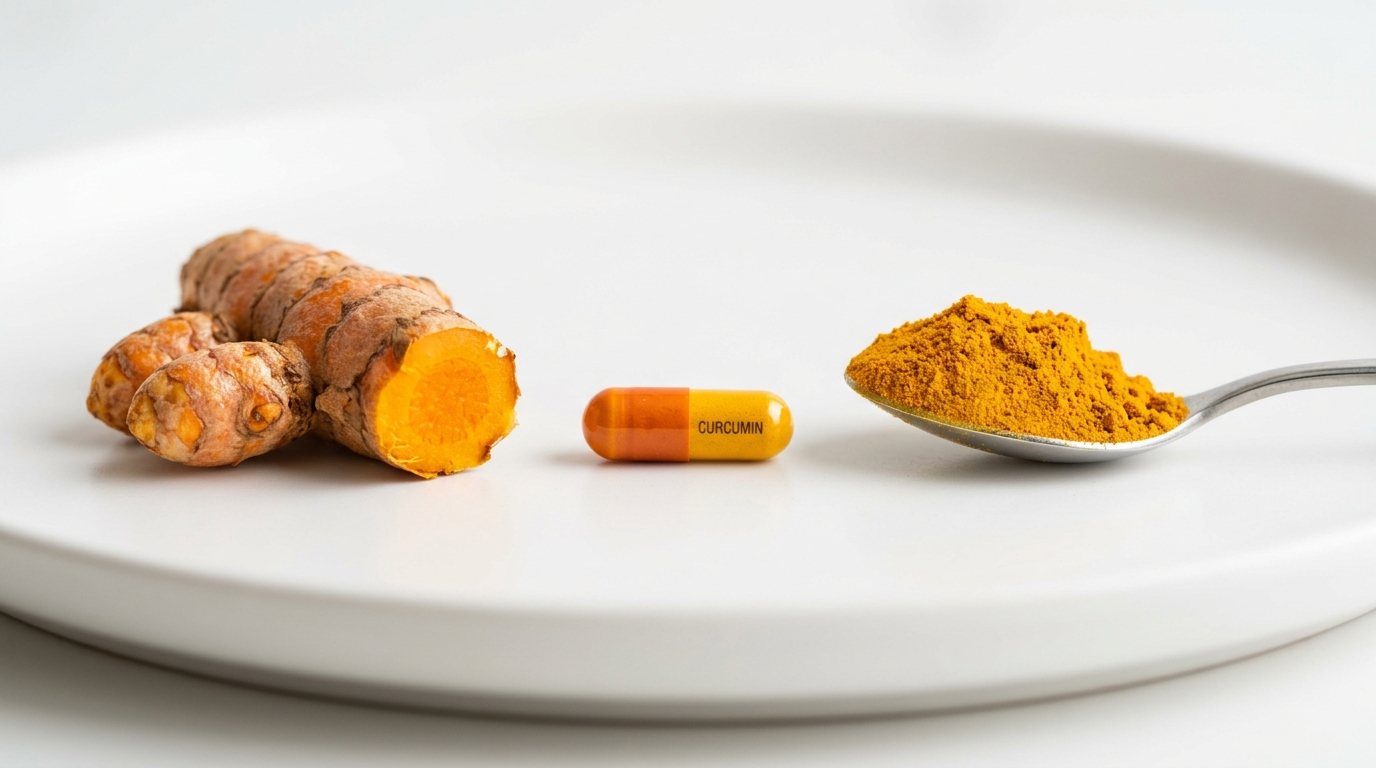
Turmeric, the vibrant yellow spice often found in curry powders, has gained immense popularity for its potential health benefits. At the heart of these benefits lies curcumin, the active compound in turmeric. But what's the real difference between getting curcumin from turmeric in your food versus taking a dedicated curcumin supplement? For seniors looking to boost their well-being, understanding these nuances is key.
What is Turmeric and Curcumin?
Turmeric (Curcuma longa) is a rhizomatous herbaceous perennial plant of the ginger family, Zingiberaceae. It’s native to the Indian subcontinent and Southeast Asia. The rhizomes (underground stems) are what we typically use as the spice. Curcumin is a naturally occurring chemical compound found within turmeric. It's what gives turmeric its distinctive yellow color and is responsible for many of its purported health benefits.
The Power of Curcumin
Curcumin has been studied extensively for its potential anti-inflammatory and antioxidant properties. Research suggests it may play a role in managing conditions like arthritis, heart disease, and even cognitive decline. According to the National Institutes of Health (NIH), curcumin exhibits antioxidant, anti-inflammatory, antiviral, antibacterial, antifungal, and anticancer activities and thus has a potential against various diseases. However, it's crucial to understand how our bodies absorb and utilize curcumin, which is where the difference between turmeric in food and curcumin supplements becomes significant.
Curcumin Absorption: The Key Difference
One of the biggest challenges with curcumin is its poor bioavailability. This means that when you ingest curcumin, your body doesn't absorb it very well. A large portion of it is metabolized before it can even enter the bloodstream. This is where the method of consumption—turmeric in food versus curcumin supplements—plays a crucial role.
Turmeric in Food: A Delicious but Less Efficient Source
Using turmeric in your cooking is a fantastic way to add flavor and color to your meals. However, the amount of curcumin in turmeric is relatively low, typically around 3-6% by weight. Furthermore, the curcumin that is present is not easily absorbed by the body on its own. That delicious curry you enjoy might not be delivering as much curcumin as you think.
Tip: Pair your turmeric with black pepper! Piperine, a compound found in black pepper, has been shown to significantly enhance curcumin absorption. A study published in the Journal of Agricultural and Food Chemistry demonstrated that piperine can increase curcumin bioavailability by up to 2,000%.
Curcumin Supplements: A Concentrated Approach
Curcumin supplements offer a more concentrated dose of curcumin compared to using turmeric in food. Many supplements also contain ingredients like piperine or are formulated using specialized delivery systems (such as liposomal curcumin) to enhance absorption. These enhanced formulations can significantly improve the bioavailability of curcumin, making it more readily available for your body to use. The Cleveland Clinic notes that some supplements are formulated to improve absorption, making them a more effective way to get the potential benefits of curcumin.
Benefits of Curcumin and Turmeric for Seniors
Both turmeric and curcumin supplements may offer several potential health benefits for seniors. These include:
- Joint Health: Curcumin's anti-inflammatory properties may help reduce joint pain and stiffness associated with arthritis.
- Heart Health: Some studies suggest that curcumin may improve heart health by reducing inflammation and improving cholesterol levels.
- Brain Health: Curcumin's antioxidant and anti-inflammatory effects may help protect against age-related cognitive decline. Harvard Medical School research indicates a potential link between curcumin and improved cognitive function, although more research is needed.
- Antioxidant Support: Curcumin can help neutralize free radicals, protecting cells from damage and reducing the risk of chronic diseases.
Choosing the Right Option for You
Deciding whether to use turmeric in food or opt for curcumin supplements depends on your individual needs and preferences. Consider the following:
- Dietary Habits: If you enjoy cooking with turmeric and incorporating it into your meals regularly, this can be a beneficial way to get some curcumin. Just remember to pair it with black pepper!
- Health Goals: If you're looking for a more targeted approach to address specific health concerns, a curcumin supplement with enhanced bioavailability may be a better option.
- Consultation with a Healthcare Professional: It's always a good idea to talk to your doctor or a registered dietitian before starting any new supplement, especially if you have underlying health conditions or are taking medications. The Mayo Clinic advises consulting with a healthcare provider before starting any new supplement regimen.
Potential Side Effects and Interactions
While generally considered safe, both turmeric and curcumin supplements can cause side effects in some individuals. These may include:
- Digestive Issues: Some people may experience mild digestive upset, such as nausea, diarrhea, or stomach cramps.
- Blood Thinning: Curcumin may have blood-thinning effects, so it's important to use caution if you're taking blood-thinning medications.
- Drug Interactions: Curcumin can interact with certain medications, such as blood thinners and antacids.
Always inform your doctor about any supplements you're taking to avoid potential interactions.
Key Takeaways
- Curcumin is the active compound in turmeric responsible for its potential health benefits.
- Curcumin has low bioavailability, meaning it's not easily absorbed by the body.
- Turmeric in food provides a lower dose of curcumin compared to supplements, but pairing it with black pepper can improve absorption.
- Curcumin supplements often contain ingredients like piperine or are formulated with enhanced delivery systems to improve bioavailability.
- Consult with your doctor before starting any new supplement, especially if you have underlying health conditions or are taking medications.
Practical Tips for Today
- Spice Up Your Meals: Add turmeric to your soups, stews, curries, and smoothies. Don't forget the black pepper!
- Read Supplement Labels: If you're considering a curcumin supplement, look for formulations that contain piperine or use enhanced delivery systems like liposomes.
- Talk to Your Doctor: Discuss your health goals and any potential concerns with your doctor or a registered dietitian.
- Start Small: If you're new to turmeric or curcumin supplements, start with a low dose and gradually increase it as tolerated.
By understanding the key differences between curcumin supplements and turmeric in food, seniors can make informed choices about how to incorporate this powerful compound into their wellness routine. Remember, a balanced approach that combines a healthy diet with appropriate supplementation, under the guidance of a healthcare professional, is often the most effective way to support your overall health and vitality.
Ready to learn more ways to boost your well-being? Explore our other articles on vitamins and supplements for seniors on SeniorVitalityHub.blog!

Comments