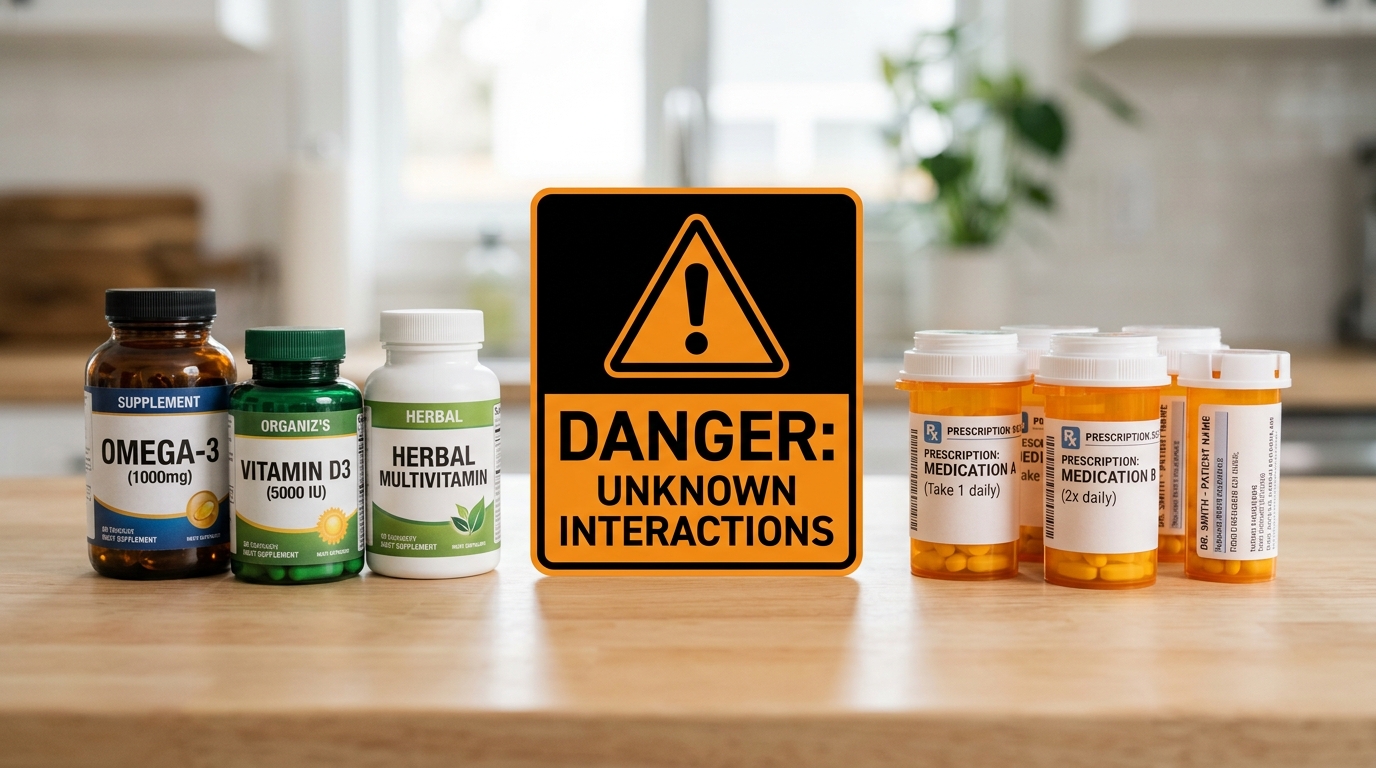
As we age, many of us turn to supplements to boost our health and well-being. But it's crucial to understand that these seemingly harmless pills and powders can sometimes interact dangerously with prescription and over-the-counter medications. For seniors, who are often taking multiple medications, the risk of these interactions is significantly higher. This article will highlight some of the most dangerous drug-supplement interactions every senior should know, empowering you to make informed decisions about your health.
Why Seniors Are More Vulnerable
Several factors make seniors more susceptible to drug-supplement interactions:
Polypharmacy
Many seniors manage multiple chronic conditions, requiring them to take several medications simultaneously. This practice, known as polypharmacy, increases the likelihood of drug interactions, including those involving supplements. A study published in the journal Geriatrics & Gerontology International found a strong correlation between the number of medications taken and the risk of adverse drug events.
Age-Related Physiological Changes
As we age, our bodies change. Kidney and liver function may decline, affecting how medications and supplements are processed and eliminated. This can lead to higher concentrations of these substances in the body, increasing the risk of interactions. According to the National Institute on Aging (NIH), age-related changes in metabolism can significantly impact drug efficacy and safety.
Over-the-Counter (OTC) Supplement Use
Supplements are widely available over the counter, often without a prescription or guidance from a healthcare professional. This ease of access can lead to seniors taking supplements without fully understanding their potential risks or interactions with their medications. The AARP warns against the assumption that 'natural' always equals 'safe,' especially when combined with prescription drugs.
Dangerous Drug-Supplement Combinations
Here are some of the most common and potentially dangerous drug-supplement interactions to be aware of:
Warfarin and Vitamin K
Warfarin is a blood thinner prescribed to prevent blood clots. Vitamin K plays a crucial role in blood clotting. Taking vitamin K supplements can counteract the effects of warfarin, increasing the risk of blood clots and stroke. The Mayo Clinic specifically advises patients on warfarin to maintain a consistent intake of vitamin K and to inform their doctor before starting any new supplements.
St. John's Wort and Antidepressants
St. John's Wort is a popular herbal remedy used to treat mild depression. However, it can interact dangerously with many antidepressants, including SSRIs (selective serotonin reuptake inhibitors). This combination can lead to serotonin syndrome, a potentially life-threatening condition characterized by agitation, confusion, rapid heart rate, and muscle rigidity. Harvard Medical School cautions against using St. John's Wort with any antidepressant medication.
Ginkgo Biloba and Blood Thinners
Ginkgo biloba is often used to improve memory and cognitive function. However, it has blood-thinning properties and can increase the risk of bleeding when taken with other blood thinners like aspirin, warfarin, or clopidogrel. The Cleveland Clinic recommends that individuals taking blood thinners avoid ginkgo biloba supplements.
Iron and Thyroid Medications
Iron supplements can interfere with the absorption of thyroid medications, such as levothyroxine, making them less effective. This can lead to symptoms of hypothyroidism, such as fatigue, weight gain, and constipation. It's generally recommended to take iron supplements at least four hours apart from thyroid medications. Johns Hopkins Medicine advises patients to discuss the timing of these medications with their doctor or pharmacist.
Calcium and Certain Antibiotics
Calcium supplements can bind to certain antibiotics, such as tetracycline and quinolone antibiotics, preventing their absorption and reducing their effectiveness. This can lead to treatment failure and the development of antibiotic-resistant bacteria. It's recommended to take calcium supplements at least two hours before or after taking these antibiotics.
How to Protect Yourself
Protecting yourself from dangerous drug-supplement interactions requires proactive communication and informed decision-making:
Maintain an Updated Medication List
Keep a current list of all medications, supplements, vitamins, and herbal remedies you are taking. Include the dosages and how often you take them. Share this list with your doctor, pharmacist, and other healthcare providers at every appointment.
Consult Your Healthcare Provider
Before starting any new supplement, discuss it with your doctor or pharmacist. They can assess the potential risks and interactions with your current medications. Don't assume that a supplement is safe just because it's available over the counter.
Read Labels Carefully
Pay close attention to the ingredient list, dosage instructions, and warnings on supplement labels. Be aware of potential side effects and interactions. If you have any questions, ask your pharmacist for clarification.
Report Any Unusual Symptoms
If you experience any unusual symptoms after starting a new supplement or medication, report them to your doctor immediately. These symptoms could be a sign of a drug-supplement interaction.
Be Wary of Exaggerated Claims
Be skeptical of supplements that promise miraculous cures or make exaggerated health claims. These products are often not scientifically proven and may contain harmful ingredients. The FDA does not regulate supplements as strictly as medications, so it's important to be cautious.
Key Takeaways
- Seniors are at higher risk for drug-supplement interactions due to polypharmacy and age-related physiological changes.
- Common supplements like St. John's Wort, Ginkgo Biloba, and Vitamin K can interact dangerously with prescription medications.
- Always maintain an updated medication list and share it with your healthcare providers.
- Consult your doctor or pharmacist before starting any new supplement to assess potential risks and interactions.
- Be cautious of exaggerated claims and unregulated supplements.
Taking Action Today
The best way to protect yourself is to be proactive. Start by reviewing all the medications and supplements you are currently taking. Create an updated list and schedule an appointment with your doctor or pharmacist to discuss any potential interactions. Knowledge is power, and taking these steps can help you stay healthy and safe.
Want to learn more about healthy aging? Check out our other articles on SeniorVitalityHub.blog!

Comments