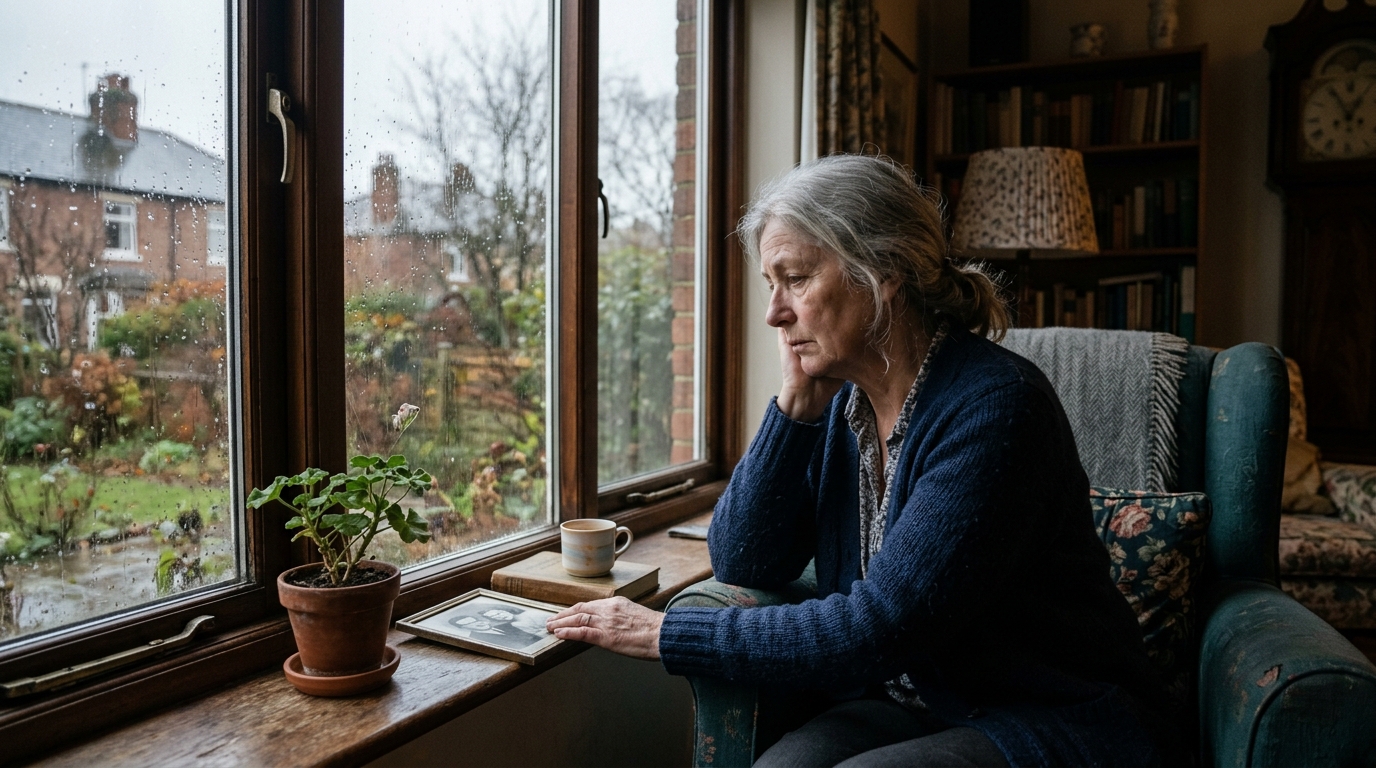
Depression is a serious condition that can affect anyone, regardless of age. However, depression in older adults (60+) often presents differently than it does in younger individuals. Recognizing these differences is crucial for early diagnosis and effective treatment. At SeniorVitalityHub.blog, we're committed to providing you with the information you need to maintain your mental well-being.
Why Depression Can Look Different After 60
Several factors contribute to the unique presentation of depression in older adults. These include:
- Age-related physical changes: Chronic illnesses, mobility issues, and sensory impairments can all impact mood and energy levels.
- Social isolation and loneliness: Retirement, loss of loved ones, and decreased social interaction can lead to feelings of isolation.
- Medication side effects: Many medications commonly prescribed to older adults can have depression as a side effect.
- Cognitive changes: Depression can sometimes mimic or exacerbate cognitive decline.
Common Signs of Depression in Older Adults
While some symptoms of depression are universal, others are more prominent or take on a different form in older adults. Be aware of these potential indicators:
1. Persistent Sadness or Emptiness
While feeling down from time to time is normal, persistent sadness or a feeling of emptiness that lasts for weeks or months is a key sign of depression. Unlike younger adults, older adults may be less likely to report feeling “sad” and more likely to describe a general lack of interest or enjoyment in things they used to love.
2. Fatigue and Low Energy
Feeling tired is common as we age, but overwhelming fatigue that interferes with daily activities can be a sign of depression. According to the National Council on Aging (NCOA), unexplained fatigue is a frequently reported symptom in older adults experiencing depression.
3. Physical Aches and Pains
Depression can manifest as physical symptoms, such as headaches, muscle aches, digestive problems, and chronic pain. These symptoms may be more prominent than emotional ones in older adults, making diagnosis challenging. Harvard Medical School research shows a strong link between chronic pain and depression in older adults.
4. Loss of Appetite and Weight Loss
A significant decrease in appetite and unintentional weight loss can be a sign of depression. This can be particularly concerning in older adults, as it can lead to malnutrition and weakened immunity. Keep an eye on changes in eating habits and weight.
5. Sleep Disturbances
Changes in sleep patterns, such as insomnia (difficulty falling or staying asleep) or sleeping excessively, can be indicators of depression. These sleep disturbances can further exacerbate fatigue and impact overall well-being.
6. Cognitive Difficulties
Depression can affect cognitive function, leading to problems with memory, concentration, and decision-making. These cognitive difficulties can sometimes be mistaken for early signs of dementia. A 2022 study published in JAMA Internal Medicine found that depression can significantly impact cognitive performance in older adults.
7. Social Withdrawal
Withdrawing from social activities and isolating oneself from friends and family is a common sign of depression. Older adults may become less engaged in hobbies and activities they once enjoyed.
8. Irritability and Agitation
While sadness is a common symptom, some older adults may experience increased irritability, restlessness, or agitation. These symptoms can be easily overlooked or attributed to other causes.
9. Feelings of Worthlessness or Guilt
Depression can lead to feelings of worthlessness, hopelessness, or excessive guilt. These negative thoughts can significantly impact self-esteem and overall quality of life.
10. Fixation on Death or Suicidal Thoughts
While less common, older adults with depression may experience thoughts of death or suicide. It's crucial to take these thoughts seriously and seek immediate help. According to the Mayo Clinic, older men are at a higher risk of suicide than other groups.
What To Do If You Suspect Depression
If you or someone you know is experiencing symptoms of depression, it's important to take action. Here are some steps you can take:
1. Talk to Your Doctor
Schedule an appointment with your doctor to discuss your symptoms. They can conduct a physical exam, review your medications, and assess your mental health. Be honest and open about how you're feeling.
2. Seek Professional Help
A mental health professional, such as a therapist or psychiatrist, can provide specialized treatment for depression. Therapy, medication, or a combination of both can be effective in managing symptoms.
3. Engage in Social Activities
Make an effort to stay connected with friends and family. Participate in social activities, join a club, or volunteer in your community. Social interaction can help combat feelings of isolation and loneliness.
4. Maintain a Healthy Lifestyle
Eat a balanced diet, get regular exercise, and prioritize sleep. These lifestyle factors can have a significant impact on mood and energy levels. Even a short walk each day can make a difference.
5. Practice Relaxation Techniques
Engage in relaxation techniques such as meditation, deep breathing exercises, or yoga. These practices can help reduce stress and promote a sense of calm.
Key Takeaways
- Depression in older adults can present differently than in younger individuals, often with more physical symptoms or cognitive difficulties.
- Social isolation, chronic illnesses, and medication side effects can contribute to depression in older adults.
- Early diagnosis and treatment are crucial for managing depression and improving quality of life.
- Talking to your doctor, seeking professional help, and engaging in social activities are important steps in addressing depression.
- Maintaining a healthy lifestyle, including diet, exercise, and relaxation techniques, can help improve mood and energy levels.
Remember, you are not alone. Depression is a treatable condition, and help is available. Taking the first step towards seeking support can make a significant difference in your well-being.
Ready to learn more about maintaining your mental and physical health as you age? Explore our other articles on SeniorVitalityHub.blog today!

Comments