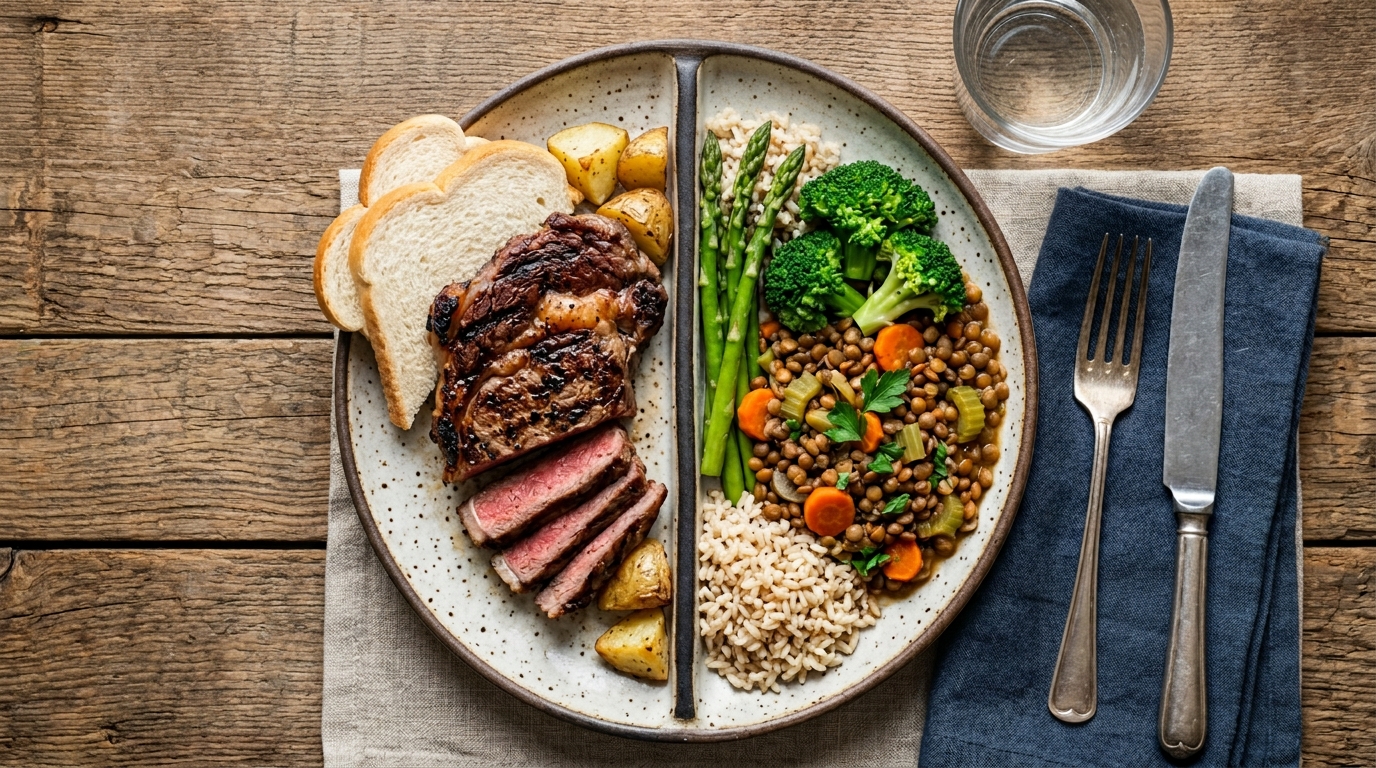
Diverticulitis can be a real pain – literally! If you're over 60, you've likely heard of it, or perhaps even experienced it yourself. This common digestive condition involves inflammation or infection of small pouches called diverticula that can form in the lining of your colon. Managing diverticulitis often involves dietary adjustments, and knowing what to eat (and what to avoid) can make a world of difference in managing symptoms and preventing flare-ups. Let's dive into the specifics, with practical tips to help you feel your best.
Understanding Diverticulitis and Diet
Diverticulosis, the presence of these pouches, is quite common, especially as we age. However, when these pouches become inflamed or infected, it leads to diverticulitis. Symptoms can range from mild abdominal pain to severe pain, fever, nausea, and changes in bowel habits. While diet isn't the *cause* of diverticulosis, it plays a crucial role in managing diverticulitis and preventing future episodes.
The Role of Fiber
For years, doctors recommended avoiding nuts, seeds and popcorn. However, a large study published in the Journal of the American Medical Association found no evidence that these foods increased the risk of diverticulitis or diverticular bleeding [JAMA, 2008]. In fact, a high-fiber diet is now considered beneficial for *preventing* diverticulosis and managing diverticulitis in its quiescent phase. Fiber helps to soften stool, making it easier to pass and reducing pressure in the colon. This helps to prevent the formation of new diverticula and reduces the risk of inflammation. However, during an active diverticulitis flare, a low-fiber diet is usually recommended.
Foods to Avoid During a Diverticulitis Flare-Up
When you're experiencing a diverticulitis attack, your digestive system needs a break. The goal is to reduce inflammation and allow your colon to heal. Here's what to avoid:
Low-Fiber Foods
During a flare, high-fiber foods can actually exacerbate symptoms. The Cleveland Clinic recommends limiting fiber intake during acute attacks [Cleveland Clinic, 2023]. This means temporarily avoiding:
- Whole grains (whole wheat bread, brown rice, quinoa)
- Fruits with skin and seeds (apples, berries, pears)
- Vegetables (broccoli, Brussels sprouts, carrots)
- Legumes (beans, lentils)
- Nuts and seeds
Foods That Can Irritate the Bowel
Some foods are known to potentially irritate the bowel and should be avoided during a flare-up. These include:
- Spicy foods: Can increase inflammation and discomfort.
- Alcohol: Can irritate the digestive tract.
- Caffeine: Can stimulate bowel movements and worsen diarrhea.
- High-fat foods: Can be difficult to digest and contribute to inflammation.
Best Foods to Eat During a Diverticulitis Flare-Up
While it might seem restrictive, there are plenty of foods you *can* enjoy during a flare-up. The focus is on easily digestible, low-fiber options.
Clear Liquids
In the initial stages of a flare-up, your doctor might recommend a clear liquid diet. This helps to rest your bowel. Examples include:
- Water
- Clear broth (chicken or vegetable)
- Plain gelatin (like Jell-O)
- Clear fruit juice (apple or white grape)
- Ice pops (without fruit pieces or pulp)
Low-Fiber Foods
As you start to feel better, you can gradually introduce low-fiber foods. Good choices include:
- White bread
- White rice
- Cooked cereals (like Cream of Wheat)
- Canned or well-cooked fruits without skin or seeds (applesauce, canned peaches)
- Cooked, peeled vegetables (potatoes, carrots, green beans)
- Lean protein (chicken, fish, eggs)
Transitioning Back to a High-Fiber Diet
Once your symptoms subside, it's crucial to gradually reintroduce fiber into your diet. This helps to prevent future flare-ups. According to the National Institute of Diabetes and Digestive and Kidney Diseases (NIDDK), slowly increasing fiber intake allows your digestive system to adjust [NIDDK, 2020].
Tips for Increasing Fiber
- Start slowly: Add small amounts of fiber each day.
- Choose a variety of fiber-rich foods: Fruits, vegetables, whole grains, and legumes.
- Drink plenty of water: Fiber absorbs water, so staying hydrated is essential to prevent constipation.
- Listen to your body: If you experience gas, bloating, or discomfort, reduce your fiber intake and try again later.
Long-Term Dietary Strategies for Diverticulitis Prevention
Maintaining a healthy diet is key to preventing future diverticulitis episodes. Here are some long-term strategies:
Prioritize Fiber
Aim for 25-30 grams of fiber per day. Good sources include:
- Fruits: Berries, apples, pears (with skin)
- Vegetables: Broccoli, spinach, carrots
- Whole grains: Oats, brown rice, quinoa
- Legumes: Beans, lentils, chickpeas
Stay Hydrated
Drink at least eight glasses of water per day. Water helps to soften stool and prevent constipation, reducing pressure in the colon.
Consider Probiotics
Probiotics can help to maintain a healthy gut microbiome, which may reduce inflammation and improve digestive health. AARP recommends discussing probiotic supplements with your doctor to determine if they are right for you [AARP, 2024].
Maintain a Healthy Weight
Obesity can increase the risk of diverticulitis. Maintaining a healthy weight through diet and exercise can help to reduce your risk.
Key Takeaways
- During a diverticulitis flare-up, focus on a low-fiber diet to rest your bowel.
- Gradually reintroduce fiber after symptoms subside to prevent future episodes.
- Stay hydrated and consider probiotics to support gut health.
- High fiber intake during remission is key to managing diverticulitis.
- Consult your doctor or a registered dietitian for personalized dietary advice.
Managing diverticulitis through diet can seem daunting, but with the right knowledge and approach, you can take control of your digestive health. Remember to listen to your body, consult with your healthcare provider, and make gradual changes to your diet. You've got this!
Want to learn more about digestive health and other wellness topics for seniors? Explore our other articles on SeniorVitalityHub.blog!

Comments