Fish Oil vs. Krill Oil: Which Is Better for Seniors?
As we age, maintaining good health becomes even more crucial. Many seniors turn to supplements to help bridge nutritional gaps and support overall well-being. Two popular supplements, fish oil and krill oil, are often touted for their omega-3 fatty acid content. But which one is better for you? This article will explore the differences between fish oil and krill oil, their benefits for seniors, and help you make an informed decision.
Understanding Omega-3 Fatty Acids
Before diving into the specifics of fish oil and krill oil, let’s first understand omega-3 fatty acids. These essential fats play a vital role in various bodily functions. The three main types of omega-3s are:
- ALA (alpha-linolenic acid): Found primarily in plant-based foods like flaxseeds and walnuts.
- EPA (eicosapentaenoic acid): Primarily found in marine sources.
- DHA (docosahexaenoic acid): Also primarily found in marine sources.
EPA and DHA are the most beneficial omega-3s for heart and brain health. While the body can convert ALA into EPA and DHA, the conversion rate is often inefficient, making direct consumption of EPA and DHA preferable, according to Harvard Medical School research.
Fish Oil: A Time-Tested Supplement
Fish oil is extracted from the tissues of oily fish like salmon, mackerel, and sardines. It’s a rich source of EPA and DHA and has been widely studied for its health benefits.
Benefits of Fish Oil for Seniors
- Heart Health: Fish oil is well-known for its heart-protective properties. It can help lower triglyceride levels, reduce blood pressure, and decrease the risk of heart attack and stroke. A large meta-analysis published in the Journal of the American Heart Association confirmed these benefits.
- Brain Function: DHA is a major structural component of the brain, and fish oil supplementation has been linked to improved cognitive function and a reduced risk of age-related cognitive decline. Some studies suggest it may slow the progression of Alzheimer's disease, though more research is needed.
- Joint Health: Fish oil's anti-inflammatory properties can help alleviate joint pain and stiffness associated with arthritis. The Arthritis Foundation recommends fish oil as a complementary therapy for managing arthritis symptoms.
- Eye Health: DHA is also crucial for maintaining healthy vision. Fish oil may help prevent age-related macular degeneration (AMD), a leading cause of vision loss in seniors.
Potential Drawbacks of Fish Oil
- Fishy Aftertaste: One common complaint about fish oil is the fishy aftertaste or burps it can cause. This can be minimized by taking enteric-coated capsules or consuming fish oil with meals.
- Blood Thinning: Fish oil can have a mild blood-thinning effect, so it's important to consult your doctor if you're taking blood-thinning medications like warfarin.
- Digestive Issues: Some people may experience mild digestive issues like nausea or diarrhea when taking fish oil.
Krill Oil: A Promising Alternative
Krill oil is extracted from krill, small crustaceans found in the Antarctic Ocean. Like fish oil, it's a source of EPA and DHA, but it differs in several key aspects.
Benefits of Krill Oil for Seniors
- Bioavailability: The omega-3s in krill oil are bound to phospholipids, which some studies suggest may make them more bioavailable (easier for the body to absorb) than the triglycerides in fish oil. However, this remains a topic of debate.
- Antioxidant Properties: Krill oil contains astaxanthin, a powerful antioxidant that gives it its reddish color. Astaxanthin may offer additional health benefits, such as protecting cells from damage.
- Smaller Dose: Because of the potential for higher bioavailability, some believe you may need a smaller dose of krill oil compared to fish oil to achieve similar results.
Potential Drawbacks of Krill Oil
- Cost: Krill oil is generally more expensive than fish oil.
- Sustainability Concerns: Overfishing of krill could potentially disrupt the Antarctic ecosystem. It's important to choose krill oil products from companies that practice sustainable harvesting.
- Allergies: People with shellfish allergies should avoid krill oil.
Fish Oil vs. Krill Oil: Key Differences
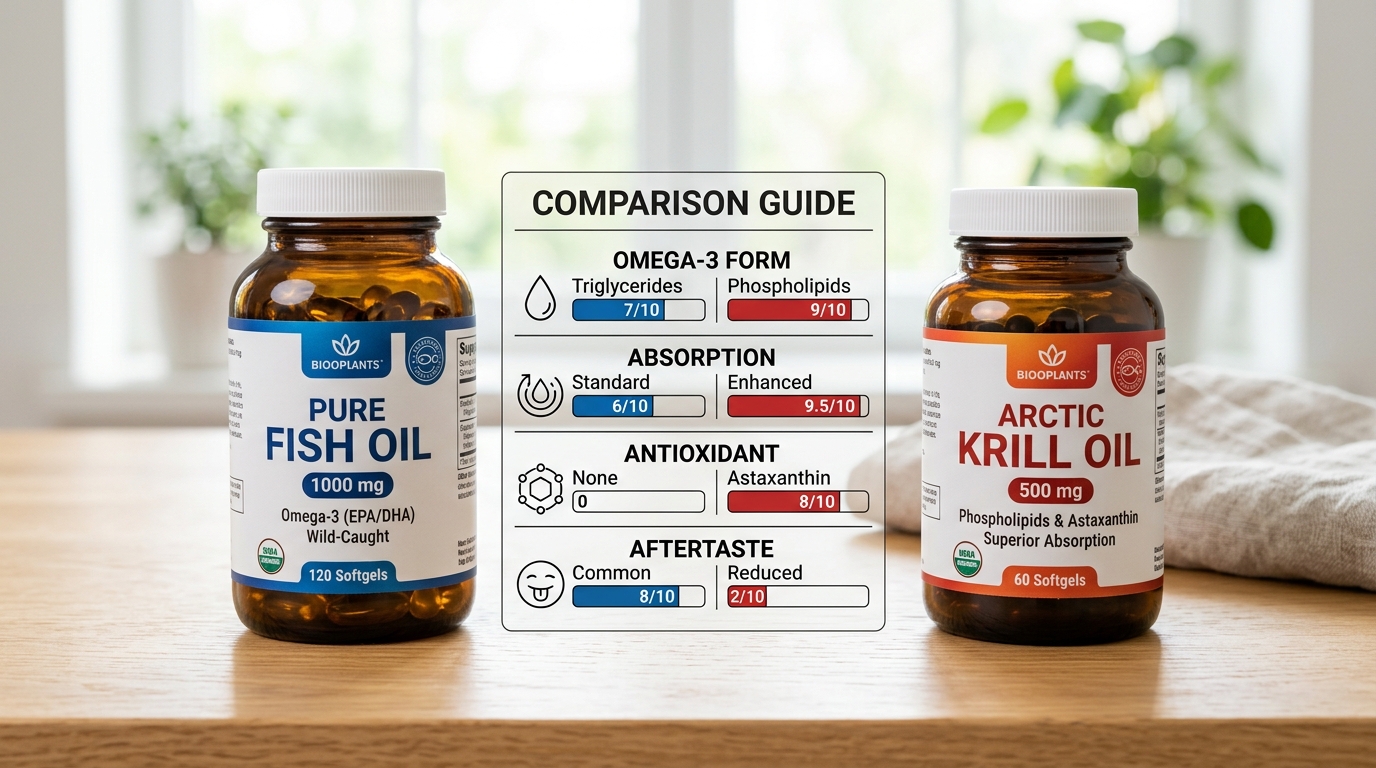
Here's a table summarizing the key differences between fish oil and krill oil:
| Feature | Fish Oil | Krill Oil |
|---|---|---|
| Source | Oily fish (salmon, mackerel, sardines) | Krill (small crustaceans) |
| Omega-3 Form | Triglycerides | Phospholipids |
| Bioavailability | Good | Potentially higher, but debated |
| Antioxidants | None | Astaxanthin |
| Cost | Lower | Higher |
| Sustainability | Variable, choose sustainable brands | Potential concerns, choose sustainable brands |
Dosage Recommendations for Seniors
The optimal dosage of omega-3 fatty acids varies depending on individual needs and health conditions. However, the American Heart Association recommends that adults consume at least two servings of fish per week, which provides approximately 250-500 mg of combined EPA and DHA per day. If you're taking fish oil or krill oil supplements, aim for a similar dosage. Consult with your doctor or a registered dietitian to determine the right dosage for you.
Making the Right Choice for You
Ultimately, the choice between fish oil and krill oil depends on your individual needs, preferences, and budget. Both supplements can provide valuable omega-3 fatty acids that support heart, brain, and joint health. Consider the following factors when making your decision:
- Your Health Goals: Are you primarily concerned about heart health, brain function, or joint pain?
- Your Budget: Krill oil is generally more expensive than fish oil.
- Your Dietary Preferences: Do you have any allergies or sensitivities to fish or shellfish?
- Sustainability: Choose products from companies that practice sustainable harvesting.
Key Takeaways
- Both fish oil and krill oil are good sources of omega-3 fatty acids EPA and DHA.
- Fish oil is more affordable and has a longer track record of research.
- Krill oil may offer higher bioavailability due to its phospholipid structure, but this is debated.
- Consider your individual needs, budget, and sustainability concerns when choosing between the two.
- Consult with your doctor or a registered dietitian to determine the right dosage for you.
Actionable Tips for Today
- Read Labels Carefully: When purchasing fish oil or krill oil, carefully read the product labels to determine the EPA and DHA content per serving.
- Choose Reputable Brands: Opt for supplements from reputable brands that have been third-party tested for purity and potency.
- Incorporate Fatty Fish: Aim to include fatty fish like salmon, tuna, or mackerel in your diet at least twice a week.
- Consult Your Doctor: Talk to your healthcare provider before starting any new supplement, especially if you have underlying health conditions or are taking medications.
By understanding the differences between fish oil and krill oil and considering your individual needs, you can make an informed decision about which supplement is right for you. Prioritizing your health and making smart choices will help you live a vibrant and fulfilling life as a senior.
Want to learn more about supplements and healthy living for seniors? Check out our other articles on SeniorVitalityHub.blog!

Comments