As we age, maintaining our health and vitality becomes increasingly important. One key aspect of this is managing inflammation in the body. While some inflammation is a normal part of the immune response, chronic inflammation can contribute to a range of age-related health issues, from arthritis to heart disease.
The good news? What we eat plays a HUGE role in controlling inflammation. This article will explore foods that can trigger inflammation and, more importantly, what delicious and healthy alternatives you can incorporate into your diet.
Understanding Inflammation
Inflammation is the body's natural response to injury or infection. It's a complex process involving the immune system, where the body releases chemicals to fight off harmful invaders and begin the healing process. Acute inflammation is beneficial and short-lived. However, chronic inflammation persists over a long period and can damage tissues and organs.
According to the National Institutes of Health (NIH), chronic inflammation is linked to several age-related diseases, including cardiovascular disease, type 2 diabetes, Alzheimer's disease, and certain types of cancer. Factors like stress, lack of exercise, and poor diet can contribute to chronic inflammation.
Foods That Can Trigger Inflammation
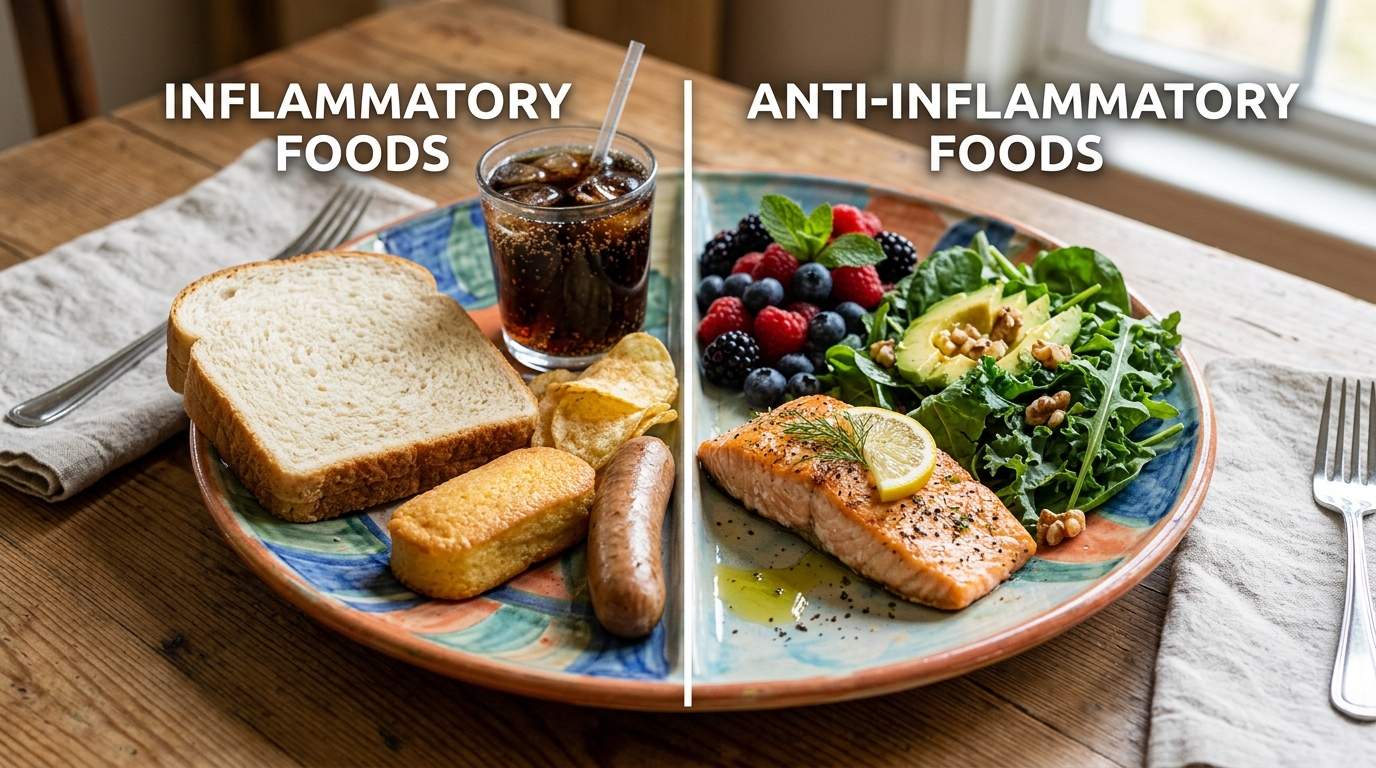
Certain foods are known to promote inflammation in the body. Here are some of the common culprits:
1. Sugary Drinks and Processed Sweets
High intake of sugary drinks like sodas, fruit juices (even the “healthy” kind!), and processed sweets can lead to increased inflammation. These foods often contain high amounts of refined sugars, which can trigger the release of inflammatory cytokines. A study published in the American Journal of Clinical Nutrition found that individuals who consumed more sugary drinks had higher levels of inflammatory markers.
2. Refined Carbohydrates
White bread, pastries, and other refined carbohydrates are quickly broken down into sugar in the body, leading to a similar inflammatory response as sugary drinks. These foods are often low in fiber and nutrients, further contributing to their negative impact on health. Harvard Medical School research shows that diets high in refined carbohydrates can increase the risk of chronic diseases like type 2 diabetes, which is also linked to inflammation.
3. Processed Meats
Processed meats like bacon, sausage, hot dogs, and deli meats often contain high levels of saturated fat and sodium, as well as additives that can promote inflammation. The World Health Organization (WHO) classifies processed meats as Group 1 carcinogens, meaning they are known to cause cancer. Furthermore, studies have shown a link between processed meat consumption and increased levels of inflammatory markers in the body.
4. Fried Foods
Fried foods, especially those cooked in unhealthy oils, can contribute to inflammation. The high heat used in frying can create harmful compounds called advanced glycation end products (AGEs), which trigger an inflammatory response. According to the Mayo Clinic, regularly consuming fried foods is associated with an increased risk of heart disease and other chronic conditions.
5. Excessive Alcohol
While moderate alcohol consumption may have some health benefits for certain individuals, excessive alcohol intake can lead to inflammation and liver damage. The liver plays a crucial role in detoxifying the body, and excessive alcohol can overwhelm its capacity, leading to the release of inflammatory substances. The National Institute on Alcohol Abuse and Alcoholism (NIAAA) recommends that adults aged 65 and older limit their alcohol intake to one drink per day.
6. Unhealthy Fats
Be mindful of the types of fats you consume. Trans fats, often found in processed foods and some fried foods, are particularly inflammatory. Limit your intake of foods containing partially hydrogenated oils. Saturated fats, found in red meat and full-fat dairy products, can also contribute to inflammation when consumed in excess. Choose healthier fat sources instead.
Anti-Inflammatory Foods to Embrace
Now for the good stuff! Let's focus on the foods that can help combat inflammation and promote overall health:
1. Fatty Fish
Salmon, tuna, mackerel, and sardines are rich in omega-3 fatty acids, which have potent anti-inflammatory properties. Omega-3s help regulate the immune system and reduce the production of inflammatory compounds. Aim to include fatty fish in your diet at least twice a week. A 2018 study in the journal Nutrients showed that omega-3 supplementation significantly reduced inflammation in older adults.
2. Fruits and Vegetables
Colorful fruits and vegetables are packed with antioxidants and phytonutrients, which help protect the body against damage from free radicals and reduce inflammation. Berries, leafy greens, broccoli, bell peppers, and tomatoes are excellent choices. The Cleveland Clinic recommends filling half your plate with fruits and vegetables at each meal.
3. Whole Grains
Unlike refined carbohydrates, whole grains like oats, quinoa, brown rice, and whole-wheat bread are rich in fiber and nutrients, which can help regulate blood sugar levels and reduce inflammation. Choose whole-grain options over refined grains whenever possible. Look for products with at least 3 grams of fiber per serving.
4. Healthy Fats
Opt for healthy fats like those found in avocados, nuts, seeds, and olive oil. These fats can help reduce inflammation and support overall health. Olive oil, in particular, contains oleocanthal, a compound with anti-inflammatory effects similar to ibuprofen. The AARP recommends incorporating healthy fats into your diet to support brain health and reduce the risk of chronic diseases.
5. Spices
Certain spices, such as turmeric, ginger, and cinnamon, have powerful anti-inflammatory properties. Turmeric contains curcumin, a compound that has been shown to reduce inflammation and relieve pain. Ginger and cinnamon also have anti-inflammatory effects and can add flavor to your meals.
Practical Tips for Reducing Inflammation Through Diet
- Read Food Labels: Pay attention to the ingredients and nutritional information on food labels to identify and avoid inflammatory ingredients like refined sugars, trans fats, and processed meats.
- Cook at Home More Often: Preparing your own meals allows you to control the ingredients and cooking methods, ensuring that you're using healthy oils and avoiding processed foods.
- Plan Your Meals: Planning your meals in advance can help you make healthier choices and avoid impulsive decisions that might lead to unhealthy eating.
- Hydrate: Drink plenty of water throughout the day to help flush out toxins and support overall health.
Key Takeaways
- Chronic inflammation can contribute to age-related diseases.
- Sugary drinks, refined carbs, processed meats, and fried foods can promote inflammation.
- Fatty fish, fruits, vegetables, whole grains, and healthy fats can help reduce inflammation.
- Reading food labels and cooking at home more often can support an anti-inflammatory diet.
- Small dietary changes can make a big difference in managing inflammation and improving overall health.
Making informed choices about what you eat can significantly impact your health and well-being as you age. By reducing your intake of inflammatory foods and incorporating more anti-inflammatory options into your diet, you can help manage inflammation, reduce your risk of chronic diseases, and enjoy a healthier, more vibrant life.
Ready to explore more ways to enhance your vitality? Check out our other articles on nutrition and healthy living!

Comments