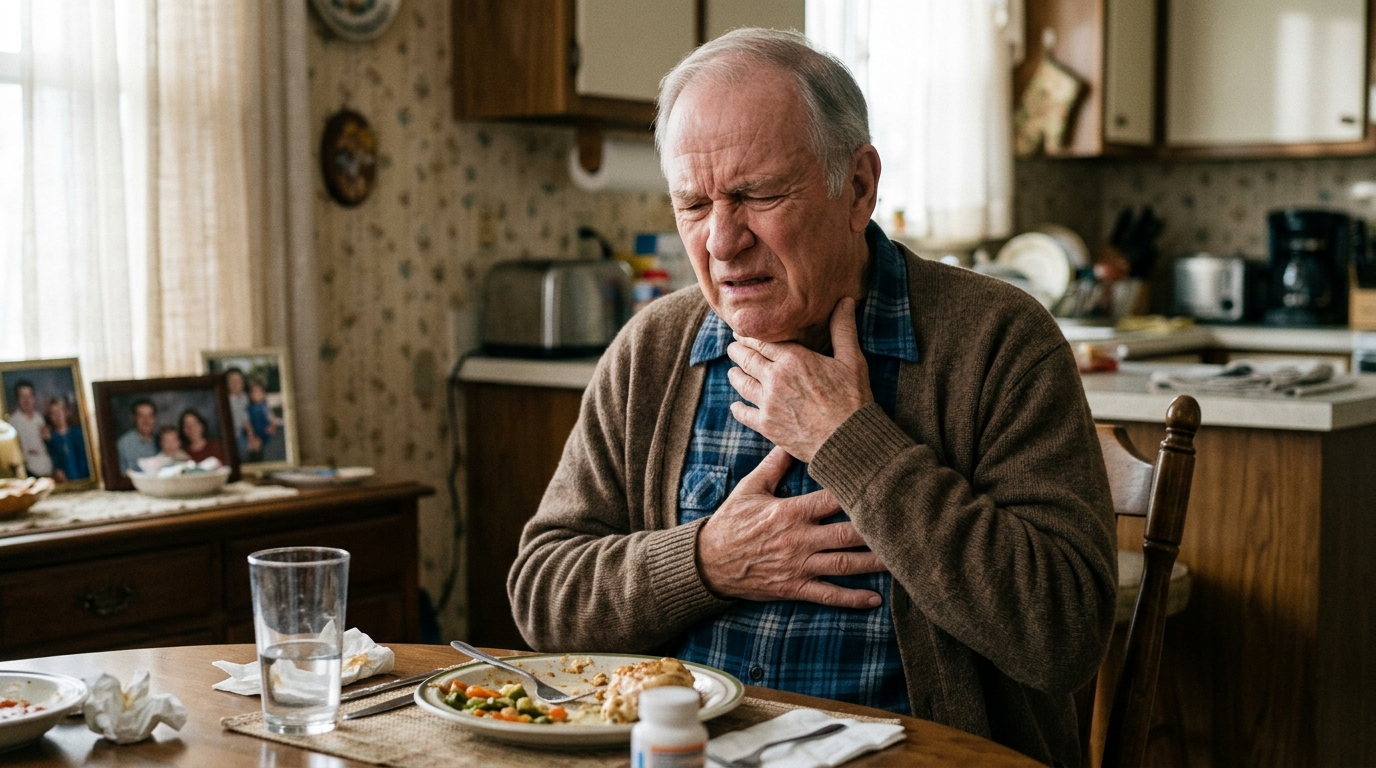
Heartburn. That familiar burning sensation creeping up your chest after a meal. For many of us over 60, it's an unwelcome guest that seems to visit more often than it used to. Often, this is a symptom of GERD, or Gastroesophageal Reflux Disease. But before you reach for the antacids, let’s explore some natural, effective ways to manage GERD and heartburn and reclaim your digestive comfort.
Understanding GERD and Heartburn
GERD is a chronic digestive disease that occurs when stomach acid frequently flows back into the esophagus, the tube connecting your mouth and stomach. This backflow (acid reflux) can irritate the lining of your esophagus. Heartburn, that burning sensation, is a common symptom, but GERD can also cause other issues like regurgitation, difficulty swallowing, and even a chronic cough.
Why does GERD become more common as we age? Several factors can contribute:
Age-Related Changes
- Weakened Lower Esophageal Sphincter (LES): The LES is a muscle that acts like a valve, preventing stomach acid from flowing back up. As we age, this muscle can weaken, making it easier for acid to escape.
- Slower Gastric Emptying: Our stomachs may empty more slowly with age, increasing the likelihood of acid reflux.
- Hiatal Hernia: This condition, where part of the stomach pushes up through the diaphragm, becomes more prevalent with age and can contribute to GERD.
Medications
Many medications commonly prescribed to seniors can worsen GERD symptoms. According to the Mayo Clinic, these include certain pain relievers, blood pressure medications, and osteoporosis drugs.
Lifestyle Factors
Diet and lifestyle choices play a significant role in GERD. Certain foods, like fatty meals, chocolate, and caffeine, can trigger symptoms. Smoking and being overweight also increase your risk.
Natural Strategies for Relief
While medications can provide relief, many seniors prefer to explore natural approaches to manage GERD and heartburn. Here are some evidence-based strategies:
Dietary Modifications
- Identify Trigger Foods: Keep a food diary to pinpoint which foods worsen your symptoms. Common culprits include:
- Fatty and fried foods
- Citrus fruits and juices
- Chocolate
- Caffeine (coffee, tea, soda)
- Spicy foods
- Alcohol
- Tomato-based products
- Eat Smaller, More Frequent Meals: Large meals can put pressure on the LES. Aim for smaller portions spread throughout the day.
- Avoid Eating Before Bed: Allow at least 2-3 hours between your last meal and bedtime. Lying down after eating makes it easier for stomach acid to reflux.
- Choose Lean Proteins: Opt for grilled chicken, fish, or beans instead of fatty meats.
- Increase Fiber Intake: Fiber can help regulate digestion and prevent constipation, which can worsen GERD. Good sources include whole grains, fruits, and vegetables.
Lifestyle Changes
- Elevate the Head of Your Bed: Raise the head of your bed by 6-8 inches. This can be achieved with bed risers or a wedge pillow. Gravity helps keep stomach acid down. A study in the American Journal of Gastroenterology confirmed the effectiveness of this simple intervention.
- Maintain a Healthy Weight: Excess weight puts pressure on your abdomen, increasing the risk of acid reflux.
- Quit Smoking: Smoking weakens the LES and increases stomach acid production. Resources are available through the NIH to help you quit.
- Avoid Tight-Fitting Clothing: Tight clothes can compress your abdomen and worsen symptoms.
- Manage Stress: Stress can exacerbate GERD. Practice relaxation techniques like deep breathing, yoga, or meditation. Harvard Medical School research shows the link between stress and digestive issues.
Natural Remedies
- Ginger: Ginger has anti-inflammatory properties and can help soothe the digestive tract. Enjoy it in tea, capsules, or as a spice in your cooking.
- Aloe Vera Juice: Aloe vera juice can help coat and soothe the esophagus. Choose a brand specifically designed for internal use.
- Chamomile Tea: Chamomile has calming properties that can help relax the digestive system. Drink a cup before bed.
- Deglycyrrhizinated Licorice (DGL): DGL is a form of licorice that has been processed to remove glycyrrhizin, a compound that can raise blood pressure. DGL can help protect the lining of the esophagus.
When to See a Doctor
While natural strategies can be very effective, it's important to consult a doctor if:
- Your symptoms are severe or persistent.
- You experience difficulty swallowing.
- You have unexplained weight loss.
- You are vomiting blood or have black, tarry stools.
- Natural remedies don't provide relief.
These symptoms could indicate a more serious underlying condition that requires medical attention. AARP provides resources to find qualified healthcare providers in your area.
Key Takeaways
- GERD and heartburn are common in seniors due to age-related changes, medications, and lifestyle factors.
- Dietary modifications, such as avoiding trigger foods and eating smaller meals, can significantly reduce symptoms.
- Lifestyle changes, like elevating the head of your bed, maintaining a healthy weight, and quitting smoking, can also help.
- Natural remedies like ginger, aloe vera juice, and chamomile tea may provide additional relief.
- Consult a doctor if your symptoms are severe, persistent, or accompanied by other concerning symptoms.
Living with GERD and heartburn after 60 doesn't have to mean constant discomfort. By understanding the causes, implementing these natural strategies, and working closely with your healthcare provider, you can take control of your digestive health and enjoy a more comfortable and fulfilling life.
Ready to learn more about optimizing your health and vitality as you age? Explore our other articles on SeniorVitalityHub.blog today!

Comments