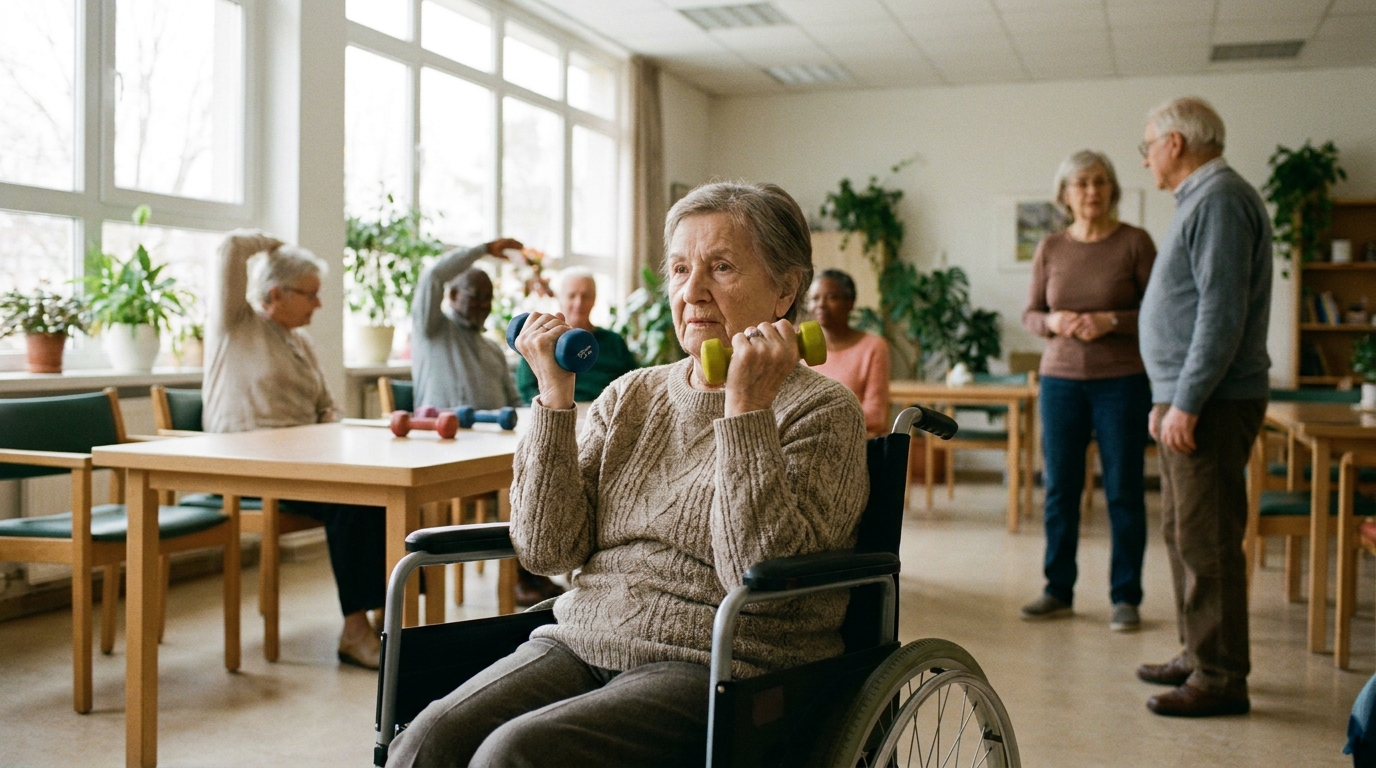
Glute Bridges for Seniors: The Hidden Key to Walking Confidence
As we navigate our golden years, we often focus on cardiovascular health or flexibility. Yet, there is one unsung hero of mobility that rarely gets the spotlight: the gluteal muscles. Often referred to as the powerhouse of the lower body, your glutes do much more than provide shape; they serve as the foundation for your posture, your balance, and your walking confidence. If you have noticed that your stride feels a bit less steady or your lower back aches after a simple stroll, it is time to talk about the glute bridge.
Why Glute Strength Matters After 60
The aging process naturally leads to a phenomenon known as sarcopenia, or the loss of muscle mass and strength. According to the National Institute on Aging (NIA), this muscle loss can significantly impact your ability to perform daily activities, such as climbing stairs or getting out of a chair. When your glutes are weak, your body compensates by over-relying on the lower back and knees, which often leads to discomfort and reduced physical activity.
Strengthening the gluteus maximus—the largest muscle in the human body—is one of the most efficient ways to stabilize the pelvis. A 2020 study published in the Journal of Geriatric Physical Therapy highlights that targeted hip-strengthening exercises are directly correlated with improved gait speed and balance in adults over 65. By incorporating glute bridges into your routine, you are essentially reinforcing the pillars that hold your body upright.
The Science of the Glute Bridge
The glute bridge is a foundational exercise because it effectively isolates the glutes while minimizing strain on the spine. Unlike squats, which require significant knee flexion and balance, the bridge is performed lying down, making it an accessible and safe entry point for seniors of all fitness levels.
Harvard Medical School notes that core and hip stability exercises are essential for preventing falls, which remains a primary health concern for aging adults. By engaging the posterior chain—the muscles along the back of your body—the glute bridge helps align the spine and relieves pressure on the lumbar discs. This simple movement is not just about muscle; it is about neurological retraining, teaching your brain to recruit the right muscles at the right time during every step you take.
How to Perform a Perfect Glute Bridge
You don't need a gym membership or heavy weights to see results. You can start this exercise right in your living room. Here is how to do it safely:
Step-by-Step Instructions
- Setup: Lie flat on your back on a comfortable surface, like a yoga mat or a firm rug. Bend your knees and place your feet flat on the floor, about hip-width apart. Keep your arms relaxed by your sides.
- The Lift: Take a deep breath in. As you exhale, press through your heels to lift your hips toward the ceiling. Focus on squeezing your glutes at the top of the movement.
- The Alignment: Your body should form a straight line from your shoulders to your knees. Avoid arching your lower back; the lift should come from the strength of your glutes and hamstrings.
- The Return: Slowly lower your hips back down to the floor with control. Repeat this 8 to 10 times for one set.
Pro Tip: If you feel strain in your lower back, ensure you are pulling your belly button toward your spine to engage your core before you begin the lift.
Practical Tips for Your Daily Routine
Consistency beats intensity every time. You don't need to perform hundreds of bridges; quality of movement is far more important than quantity. According to the Mayo Clinic, even two to three sessions of strength training per week can lead to significant improvements in functional fitness for seniors. Here are a few ways to build the habit:
- The Morning Routine: Perform two sets of 10 bridges right when you wake up. It wakes up your hips and prepares your muscles for the day ahead.
- Listen to Your Body: If you have existing hip or back conditions, consult with your primary care physician or a physical therapist before starting a new routine.
- Progress Slowly: Once you feel comfortable, you can increase the challenge by holding the bridge at the top for three seconds or by placing a small resistance band around your knees.
Key Takeaways
- Builds Stability: Strong glutes are essential for maintaining balance and preventing the common falls that impact senior independence.
- Back Pain Relief: By strengthening the posterior chain, glute bridges take the burden off your lower back.
- Accessibility: As a floor-based exercise, the glute bridge is low-impact and safe for most seniors to perform at home.
- Functional Independence: Improved glute strength makes daily tasks like walking, standing, and climbing stairs feel effortless again.
Remember, the goal is not to become a bodybuilder, but to build a body that serves you well for years to come. By dedicating just a few minutes a day to this simple movement, you are taking a proactive step toward maintaining your mobility and confidence.
Ready to build more strength in your legs and core? Explore our library of Strength & Legs articles for more senior-friendly fitness routines designed to keep you moving with ease.

Comments