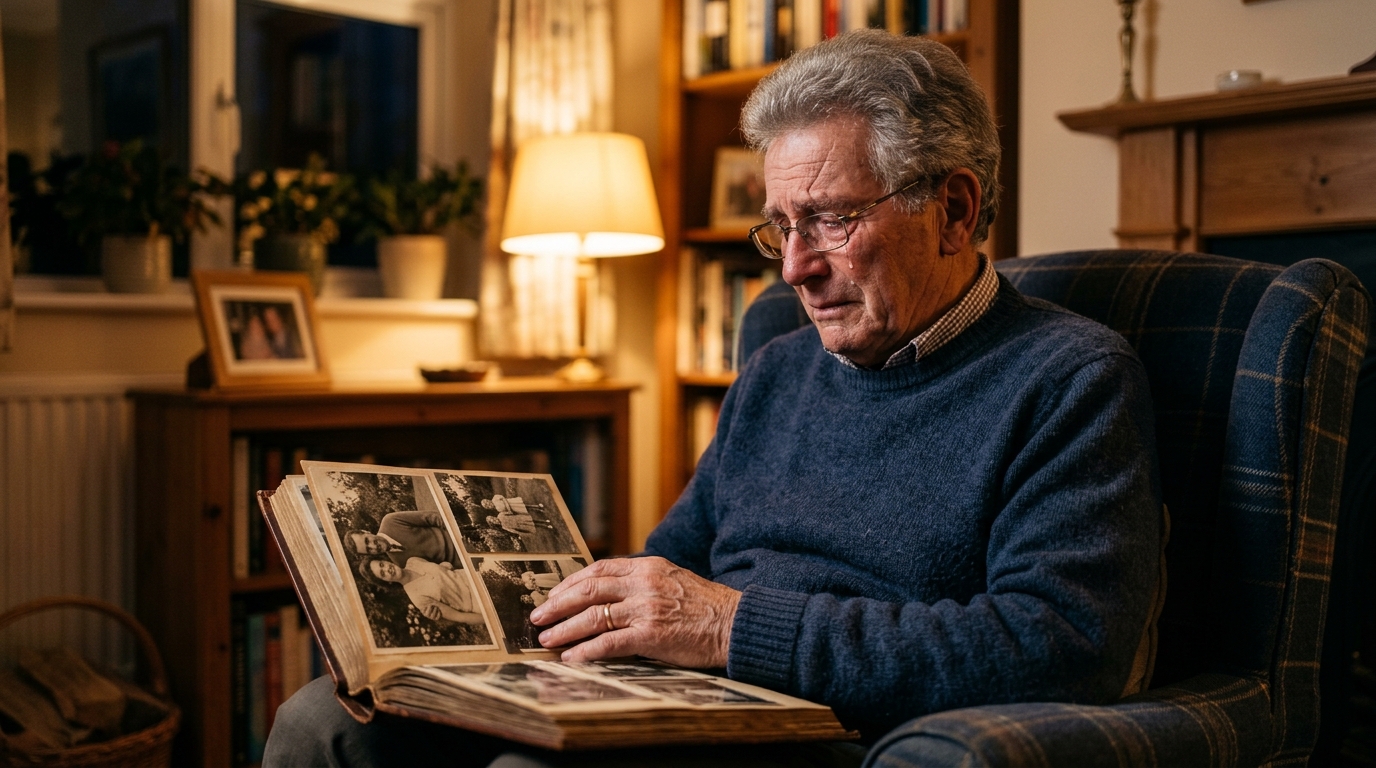
Navigating life after 60 brings a unique set of joys and challenges. Among these, experiencing grief and loss can be particularly profound. Losing a spouse, family member, friend, or even dealing with the loss of independence or health can trigger intense emotions. It's important to remember that grief is a natural human experience, and there are healthy ways to process these feelings and find a path toward healing. This article will provide practical guidance on navigating grief and loss in your senior years.
Understanding Grief and Loss
Grief is a complex emotional, physical, and spiritual response to loss. It's not a linear process with a defined endpoint, but rather a journey with its own unique timeline. While many associate grief with death, it can also stem from other significant life changes, such as retirement, moving to a new home, or dealing with chronic illness. Understanding the nature of grief is the first step in coping with it effectively.
The Stages of Grief: A Helpful Framework?
You may have heard of the “five stages of grief”: denial, anger, bargaining, depression, and acceptance. These stages, popularized by Elisabeth Kübler-Ross, can provide a framework for understanding the grieving process. However, it's crucial to remember that not everyone experiences grief in the same way, and these stages are not necessarily sequential. You might experience some stages, none, or revisit them in a different order. As the Cleveland Clinic notes, grief is a highly individual experience, and there is no “right” way to grieve. Focus on what feels authentic and helpful to you.
Common Grief Reactions
Grief manifests in many ways. Common reactions include:
- Emotional: Sadness, anger, guilt, anxiety, loneliness, despair, irritability, numbness.
- Physical: Fatigue, changes in appetite, sleep disturbances, aches and pains, weakened immune system.
- Cognitive: Difficulty concentrating, memory problems, confusion, feeling detached from reality.
- Behavioral: Social withdrawal, restlessness, crying spells, loss of interest in activities.
Healthy Ways to Process Grief
While grief is a natural process, there are healthy ways to navigate it and support your well-being. Here are some practical strategies:
Acknowledge Your Feelings
Allow yourself to feel the emotions that arise without judgment. Suppressing grief can prolong the healing process. Find healthy ways to express your feelings, such as:
- Journaling: Write down your thoughts, memories, and emotions.
- Talking to a trusted friend or family member: Sharing your feelings can provide comfort and support.
- Creative expression: Engage in activities like painting, music, or writing poetry.
Maintain Your Physical Health
Grief can take a toll on your physical health. Prioritize self-care by:
- Eating nutritious meals: Even if you don't feel hungry, try to eat balanced meals to nourish your body.
- Getting regular exercise: Physical activity can help reduce stress and improve mood. Even a short walk can make a difference.
- Prioritizing sleep: Aim for 7-9 hours of sleep per night. Establish a relaxing bedtime routine to improve sleep quality.
- Staying hydrated: Drink plenty of water throughout the day.
Seek Social Support
Social isolation can exacerbate grief. Connect with others who understand what you're going through. Consider:
- Joining a grief support group: Sharing experiences with others who have experienced loss can be incredibly validating and helpful.
- Spending time with loved ones: Even if you don't feel like talking, simply being in the company of supportive people can provide comfort.
- Volunteering: Helping others can provide a sense of purpose and connection.
Engage in Meaningful Activities
Rediscover activities that bring you joy and purpose. This could include hobbies, spending time in nature, or pursuing new interests. Re-engaging with life can help you find meaning and hope amidst grief. According to AARP, staying active and engaged is crucial for maintaining well-being after loss.
Seek Professional Help When Needed
If grief feels overwhelming or debilitating, don't hesitate to seek professional help. A therapist or counselor can provide guidance and support in navigating your emotions and developing coping strategies. The National Council on Aging (NCOA) offers resources for finding mental health services for older adults.
Specific Challenges for Seniors
Seniors may face unique challenges in grieving, such as:
Accumulated Losses
As we age, we may experience multiple losses in a relatively short period, which can compound the grieving process.
Age-Related Health Issues
Physical and cognitive decline can make it more difficult to cope with grief. Pre-existing health conditions can be exacerbated by the stress of loss.
Social Isolation
Seniors may be more likely to experience social isolation due to retirement, loss of mobility, or the death of friends and family members. This lack of social support can make grieving even more challenging.
Financial Concerns
The loss of a spouse can create financial strain, adding to the stress and anxiety of grief.
Practical Tips for Today
- Reach out to one friend or family member today. Schedule a phone call or a visit.
- Spend 15 minutes in nature. Go for a walk in a park or sit in your garden.
- Write down three things you are grateful for. Focusing on the positive can help shift your perspective.
- Listen to calming music. Music can be a powerful tool for emotional regulation.
- Prepare a healthy meal for yourself. Nourishing your body is an act of self-care.
Key Takeaways
- Grief is a natural and individual response to loss.
- Acknowledge your feelings and allow yourself to grieve.
- Prioritize your physical and emotional health through self-care.
- Seek social support from loved ones, support groups, or professionals.
- Engage in meaningful activities to find purpose and connection.
Remember, healing from grief takes time and patience. Be kind to yourself, and don't be afraid to seek help when you need it. According to Harvard Medical School, resilience is a key factor in coping with loss, and it's a skill that can be developed over time. By practicing self-care, seeking support, and engaging in meaningful activities, you can navigate the grieving process and find a path toward healing and renewed vitality.
Want to learn more about mental health and well-being for seniors? Check out our other articles on SeniorVitalityHub.blog!

Comments