Gut Health and Immunity After 60: What You Need to Know
As we gracefully age, our bodies undergo numerous changes. One area that deserves special attention is the intricate connection between gut health and immunity. After 60, maintaining a healthy gut becomes even more crucial for overall well-being. This article will explore why gut health matters so much for seniors, how it impacts immunity, and what practical steps you can take to optimize your digestive system for a healthier and more vibrant life.
Why Gut Health Matters as We Age
The gut, also known as the gastrointestinal (GI) tract, is far more than just a digestive system. It's a complex ecosystem teeming with trillions of bacteria, fungi, viruses, and other microorganisms, collectively known as the gut microbiota. This microbial community plays a vital role in:
- Digesting food and absorbing nutrients: Gut bacteria help break down complex carbohydrates, fibers, and other compounds that our bodies can't digest on their own.
- Synthesizing vitamins: Certain gut bacteria produce essential vitamins like vitamin K and some B vitamins.
- Regulating the immune system: A significant portion of our immune system resides in the gut, where it interacts with the gut microbiota to develop and maintain immune tolerance and defense.
- Protecting against pathogens: A healthy gut microbiota can prevent harmful bacteria and other pathogens from colonizing the gut and causing infections.
As we age, the composition and diversity of our gut microbiota can change. Factors like diet, medications (especially antibiotics), stress, and age-related physiological changes can all contribute to these shifts. According to the National Institute on Aging (NIH), age-related changes in the gut microbiota can lead to reduced nutrient absorption, increased inflammation, and a weakened immune system.
The Gut-Immunity Connection: A Two-Way Street
The gut and the immune system are intimately connected. The gut microbiota plays a crucial role in educating and training the immune system. It helps the immune system distinguish between harmless substances (like food and beneficial bacteria) and harmful invaders (like pathogens). This process is essential for preventing autoimmune reactions and maintaining immune homeostasis. Harvard Medical School research shows that a diverse and balanced gut microbiota promotes a strong and well-regulated immune response.
How Gut Health Impacts Immunity
- Immune Cell Development: The gut microbiota influences the development and maturation of immune cells, such as T cells and B cells.
- Cytokine Production: Gut bacteria can stimulate the production of cytokines, which are signaling molecules that regulate immune responses. Some cytokines promote inflammation, while others suppress it. A healthy gut microbiota helps maintain a balance between pro-inflammatory and anti-inflammatory cytokines.
- Gut Barrier Function: The gut lining acts as a barrier, preventing harmful substances from entering the bloodstream. A healthy gut microbiota helps maintain the integrity of this barrier, preventing “leaky gut” and reducing systemic inflammation. AARP reports that compromised gut barrier function can contribute to various health problems, including autoimmune diseases.
The Impact of a Poorly Functioning Gut
Conversely, an unhealthy gut can weaken the immune system and increase the risk of infections and chronic diseases. An imbalance in the gut microbiota (dysbiosis) can lead to:
- Increased inflammation: Dysbiosis can trigger chronic inflammation throughout the body, contributing to age-related diseases like heart disease, arthritis, and Alzheimer's disease.
- Impaired immune responses: An unhealthy gut can impair the ability of the immune system to fight off infections, making seniors more vulnerable to respiratory infections, urinary tract infections, and other illnesses.
- Increased risk of autoimmune diseases: Dysbiosis has been linked to an increased risk of autoimmune diseases like rheumatoid arthritis and inflammatory bowel disease.
Practical Steps to Improve Gut Health After 60
Fortunately, there are many things you can do to improve your gut health and boost your immunity after 60. Here are some practical tips:
Dietary Changes
- Eat a diverse diet rich in fruits, vegetables, and whole grains: These foods are packed with fiber, which feeds beneficial gut bacteria. Aim for at least five servings of fruits and vegetables per day.
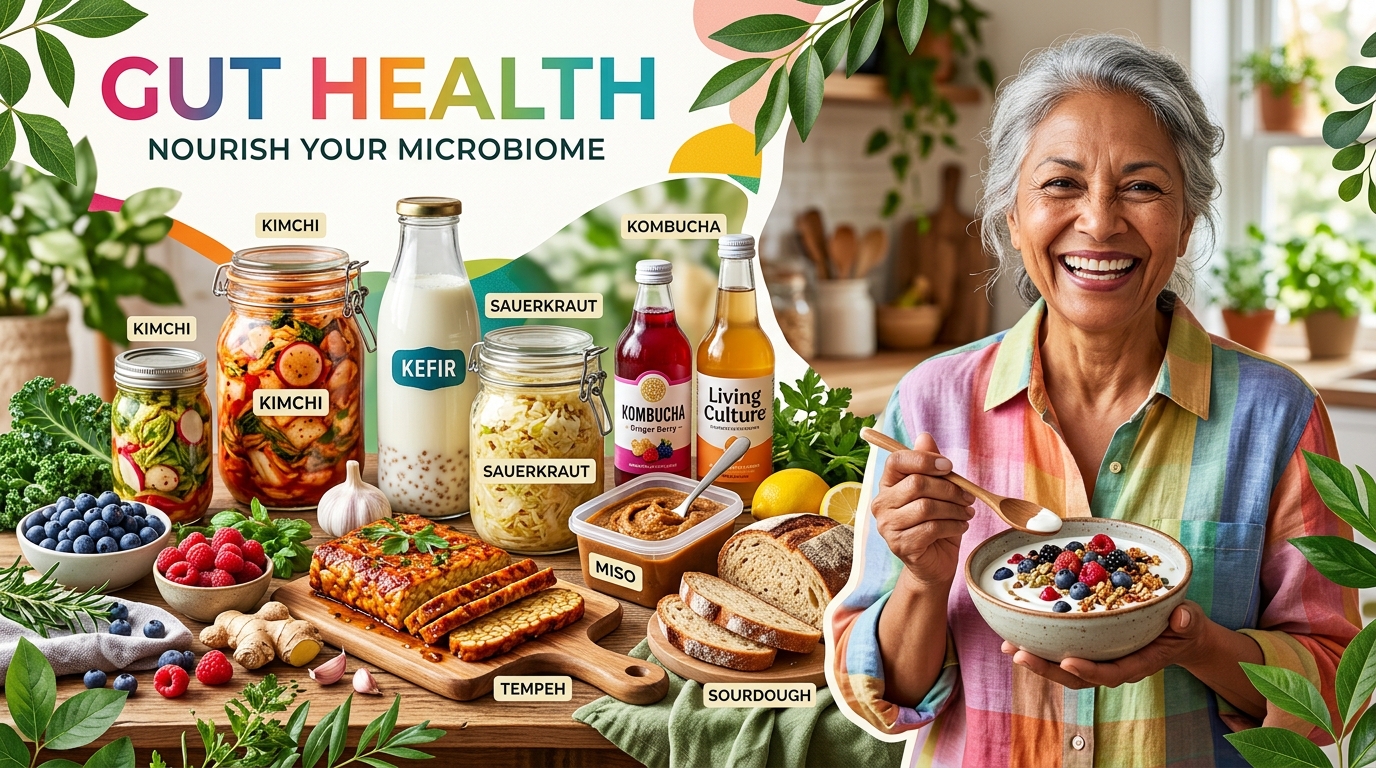
- Include fermented foods in your diet: Fermented foods like yogurt, kefir, sauerkraut, kimchi, and kombucha contain live probiotics (beneficial bacteria) that can help restore balance to the gut microbiota. The Cleveland Clinic recommends incorporating fermented foods into your diet regularly.
- Limit processed foods, sugary drinks, and unhealthy fats: These foods can promote the growth of harmful bacteria and contribute to inflammation.
- Stay hydrated: Drinking plenty of water helps keep the digestive system functioning smoothly and supports the growth of beneficial bacteria.
Lifestyle Adjustments
- Manage stress: Chronic stress can negatively impact the gut microbiota. Practice stress-reduction techniques like meditation, yoga, or deep breathing exercises.
- Get regular exercise: Exercise has been shown to improve gut health and boost immunity. Aim for at least 30 minutes of moderate-intensity exercise most days of the week.
- Get enough sleep: Lack of sleep can disrupt the gut microbiota and weaken the immune system. Aim for 7-8 hours of quality sleep per night.
Supplements
- Consider taking a probiotic supplement: If you're not getting enough probiotics from your diet, a supplement can help. Look for a probiotic supplement that contains a variety of bacterial strains and a high CFU (colony-forming unit) count. Johns Hopkins Medicine suggests consulting with your doctor or a registered dietitian before starting any new supplement regimen.
- Talk to your doctor about prebiotics: Prebiotics are non-digestible fibers that feed beneficial gut bacteria. They can be found in foods like onions, garlic, bananas, and oats, or taken as a supplement.
Key Takeaways
- Gut health is crucial for overall well-being, especially after 60.
- The gut microbiota plays a vital role in digestion, nutrient absorption, immune regulation, and protection against pathogens.
- An unhealthy gut can weaken the immune system and increase the risk of infections and chronic diseases.
- Dietary changes, lifestyle adjustments, and supplements can help improve gut health and boost immunity.
- Focus on a diverse diet rich in fiber, fermented foods, and plenty of water.
By taking proactive steps to improve your gut health, you can strengthen your immune system, reduce your risk of age-related diseases, and enjoy a healthier and more vibrant life after 60. Remember to consult with your healthcare provider before making any significant changes to your diet or supplement regimen.
Want to learn more ways to optimize your health and vitality as a senior? Explore our other articles on SeniorVitalityHub.blog for expert tips and advice!

Comments