Gut Microbiome After 60: What to Eat for a Healthy Gut
As we age, our bodies change, and that includes the complex ecosystem living in our gut: the gut microbiome. This community of bacteria, fungi, viruses, and other microorganisms plays a vital role in our overall health, influencing everything from digestion and immunity to even our mood. Understanding how the gut microbiome changes after 60, and what we can do to support it through diet, is crucial for maintaining vitality and well-being.
Understanding the Gut Microbiome and Aging
The gut microbiome is a dynamic environment, constantly influenced by factors like diet, lifestyle, medication, and age. As we get older, several changes occur in the gut microbiome:
Reduced Diversity
One of the most significant changes is a decrease in the diversity of gut bacteria. A diverse microbiome is generally considered a healthy microbiome, as it's more resilient and better equipped to perform various functions. This decline in diversity can be attributed to factors like changes in diet, reduced physical activity, increased use of medications (especially antibiotics), and age-related physiological changes. According to the National Institute on Aging, decreased microbial diversity is associated with frailty and increased risk of age-related diseases.
Changes in Bacterial Composition
Not only does the overall diversity decrease, but the types of bacteria present also shift. There is often a reduction in beneficial bacteria, such as Bifidobacteria and Lactobacilli, which are known for their probiotic effects. At the same time, there might be an increase in bacteria associated with inflammation and age-related diseases. These shifts can impact the gut's ability to perform essential functions, such as nutrient absorption and immune regulation.
Impact on Immune Function
The gut microbiome plays a critical role in training and regulating the immune system. A healthy gut microbiome helps the immune system distinguish between harmless and harmful invaders. As the microbiome changes with age, this immune regulation can become less effective, leading to increased inflammation and a higher risk of infections. Harvard Medical School research shows a strong correlation between gut health and immune response, especially in older adults.
The Power of Diet: Feeding Your Gut for Better Health
Fortunately, we have a powerful tool at our disposal to influence our gut microbiome: our diet. By making conscious food choices, we can promote the growth of beneficial bacteria and support a healthy gut environment.
Fiber: The Cornerstone of Gut Health
Fiber is an indigestible carbohydrate that serves as food for gut bacteria. It promotes the growth of beneficial bacteria, increases stool bulk, and helps regulate bowel movements. Aim for a variety of fiber-rich foods, including:
- Fruits: Apples, bananas, berries (especially blueberries and raspberries)
- Vegetables: Broccoli, spinach, carrots, sweet potatoes
- Legumes: Beans, lentils, chickpeas
- Whole Grains: Oats, brown rice, quinoa
The Cleveland Clinic recommends aiming for at least 25-30 grams of fiber per day. Start slowly and gradually increase your intake to avoid digestive discomfort.
Prebiotics: Fueling the Good Bacteria
Prebiotics are specific types of fiber that act as fuel for beneficial bacteria in the gut. They help these bacteria thrive and multiply. Good sources of prebiotics include:
- Onions and Garlic: Contain inulin, a potent prebiotic fiber.
- Asparagus: Another good source of inulin.
- Bananas: Especially slightly green bananas.
- Oats: Provide soluble fiber that feeds beneficial bacteria.
Probiotics: Adding Beneficial Bacteria Directly
Probiotics are live microorganisms that, when consumed in adequate amounts, confer a health benefit on the host. They can help replenish beneficial bacteria in the gut and improve gut health. You can get probiotics from:
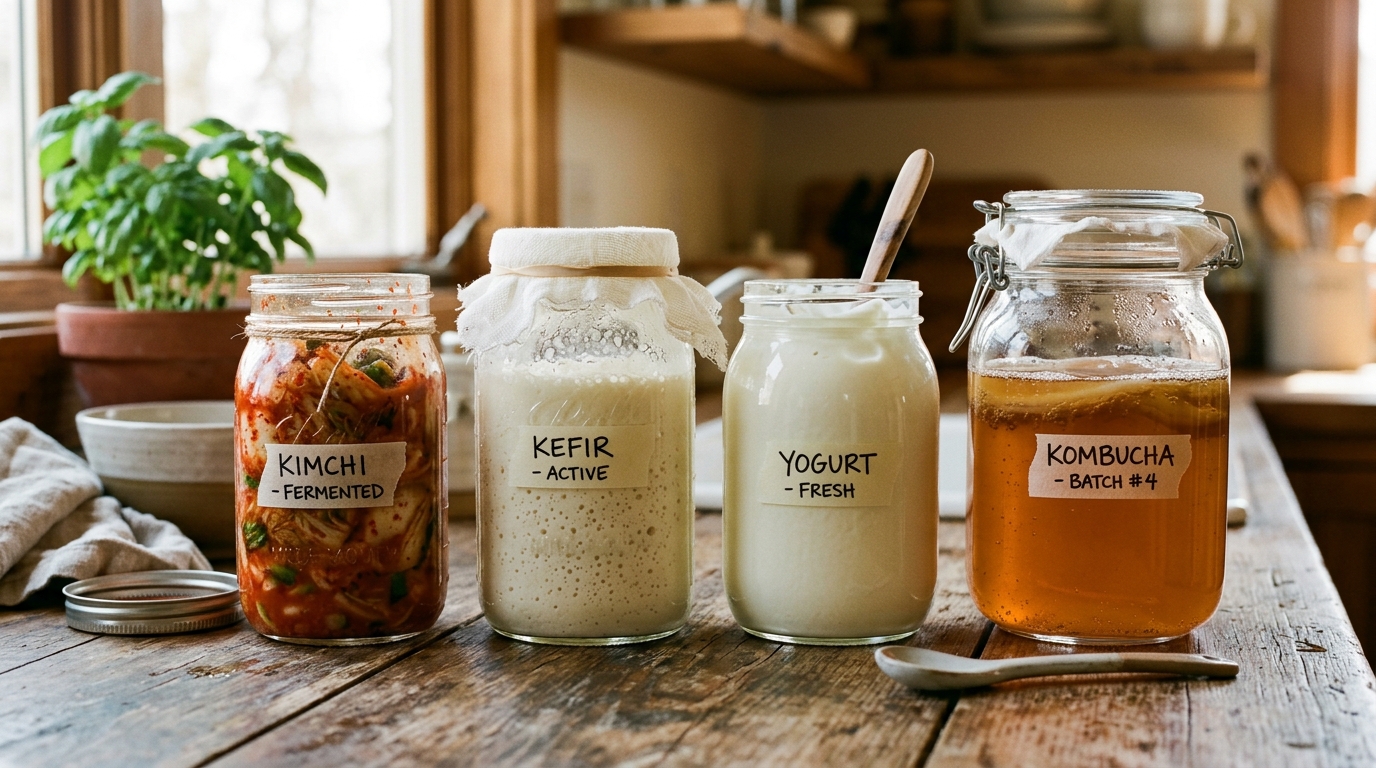
- Fermented Foods: Yogurt (look for live and active cultures), kefir, sauerkraut, kimchi, kombucha.
- Probiotic Supplements: Consult with your doctor or a registered dietitian before taking probiotic supplements to determine the right strain and dosage for your individual needs. A 2023 meta-analysis in the journal Nutrients suggests that probiotic supplementation can improve gut health in older adults.
Foods to Limit or Avoid
Certain foods can negatively impact the gut microbiome and contribute to inflammation. It's best to limit or avoid:
- Processed Foods: Often high in sugar, unhealthy fats, and artificial additives, which can disrupt the gut microbiome.
- Sugary Drinks: Can promote the growth of harmful bacteria.
- Excessive Red Meat: Some studies suggest that high consumption of red meat can negatively impact gut health.
- Artificial Sweeteners: May alter the gut microbiome in unfavorable ways.
Beyond Diet: Lifestyle Factors for a Healthy Gut
While diet is a major player, other lifestyle factors also influence the gut microbiome:
Stay Hydrated
Drinking plenty of water helps keep things moving smoothly through your digestive system and supports a healthy gut environment. Aim for at least 8 glasses of water per day.
Manage Stress
Chronic stress can negatively impact the gut microbiome. Practice stress-reducing activities like yoga, meditation, or spending time in nature. Johns Hopkins Medicine highlights the gut-brain connection, emphasizing how stress can disrupt gut health.
Get Regular Exercise
Physical activity can increase the diversity of the gut microbiome and promote overall health. Aim for at least 30 minutes of moderate-intensity exercise most days of the week.
Consider Medications
Certain medications, especially antibiotics, can significantly disrupt the gut microbiome. If you need to take antibiotics, talk to your doctor about strategies to protect your gut health, such as taking probiotics after completing the course of antibiotics.
Key Takeaways
- The gut microbiome changes as we age, often leading to reduced diversity and shifts in bacterial composition.
- Diet plays a crucial role in shaping the gut microbiome. Focus on fiber-rich foods, prebiotics, and probiotics.
- Limit processed foods, sugary drinks, and excessive red meat to support a healthy gut environment.
- Lifestyle factors like hydration, stress management, and exercise also contribute to gut health.
- Consult your doctor or a registered dietitian for personalized advice on optimizing your gut health.
Taking care of your gut microbiome is an investment in your overall health and well-being as you age. By making mindful food choices and adopting healthy lifestyle habits, you can support a thriving gut environment and enjoy a more vibrant and fulfilling life.
Ready to learn more? Explore our other articles on nutrition and healthy aging at SeniorVitalityHub.blog!

Comments