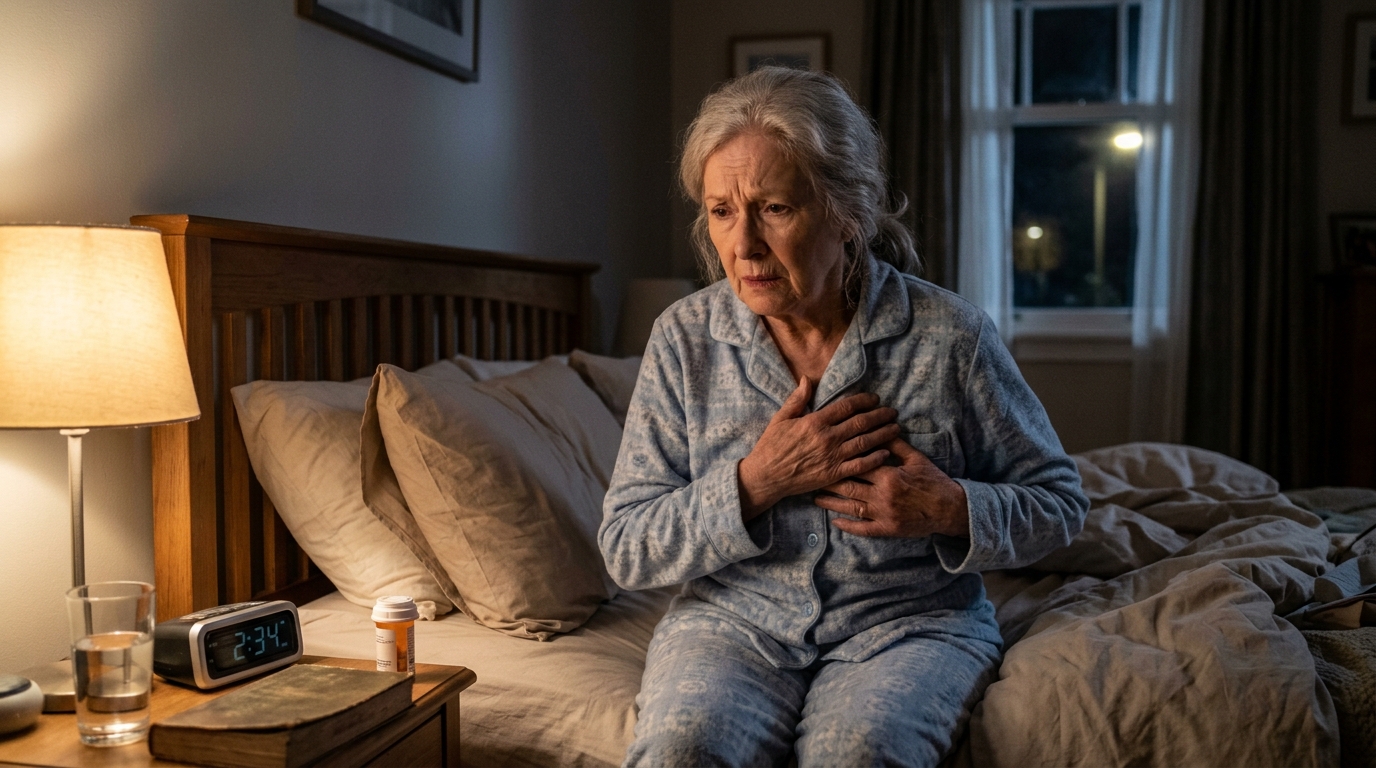
When we think of a heart attack, most of us visualize the dramatic Hollywood scene: a person clutching their chest and collapsing. However, for women over 60, the reality is often far more subtle—and far more dangerous. Because heart disease symptoms in women frequently deviate from the classic "crushing chest pain" associated with men, these warning signs are too often dismissed as indigestion, fatigue, or the natural aches of aging.
The "Hidden" Symptoms of Heart Attacks in Women
As we age, our risk profile changes. According to the American Heart Association, cardiovascular disease remains the leading killer of women, and the risk increases significantly after menopause. The challenge is that women are less likely to experience the stereotypical chest pain and more likely to experience symptoms that seem unrelated to the heart.
1. Unusual Fatigue and Sleep Disturbances
Many women report feeling an unexplained, overwhelming exhaustion in the weeks leading up to a cardiac event. It isn't just being tired after a long day; it is a profound lack of energy that makes simple tasks like vacuuming or walking to the mailbox feel like running a marathon. Harvard Medical School research indicates that this "prodromal" fatigue can start weeks or even months before an actual attack occurs.
2. Pain Outside the Chest
While chest discomfort is still possible, women are more likely to experience pain in the neck, jaw, back, or shoulders. This pain may come and go, or it might be felt as a dull ache rather than a sharp stabbing sensation. If you experience new, persistent pain in your upper back or jaw that does not have a clear orthopedic cause, it is worth a conversation with your primary care physician.
3. Shortness of Breath and Nausea
Feeling winded after minimal exertion is a red flag. If you find yourself gasping for air while performing activities that used to be easy, pay attention. Additionally, nausea, vomiting, or lightheadedness—symptoms often mistaken for a stomach bug or flu—can be indicators of reduced blood flow to the heart.
Why Symptoms Are Often Missed
A 2022 study published in JAMA Internal Medicine highlighted that women are still less likely than men to receive evidence-based heart care, partly because their symptoms are frequently atypical. Because we are often the caregivers and the "anchor" of the family, women over 60 have a tendency to downplay their own health concerns, labeling them as "just getting older."
Key Takeaways for Your Heart Health
- Listen to your body: If you feel "off" or experience sudden, unexplained fatigue, do not dismiss it.
- Know your numbers: Regularly track your blood pressure, cholesterol, and blood sugar levels with your doctor.
- Don't wait for the "Hollywood" symptoms: Recognize that jaw pain, back pain, and nausea can be signs of cardiac distress.
- Prioritize movement: Even 20 minutes of daily walking can significantly improve cardiovascular health.
- Advocate for yourself: If you believe something is wrong, insist on a thorough cardiac evaluation.
Actionable Tips You Can Start Today
You don't need to wait for an appointment to take control of your heart health. Start by keeping a brief symptom journal. For one week, note how you feel after physical activity, your sleep quality, and any unusual aches. If you notice a pattern, bring this log to your doctor. According to the Mayo Clinic, lifestyle modifications—such as adopting a Mediterranean-style diet rich in fiber and healthy fats—can reduce the risk of heart disease by up to 80% when combined with regular check-ups.
Remember, you know your body better than anyone else. If your intuition tells you that something isn't right, trust it. It is always better to have a "false alarm" at the doctor’s office than to ignore a warning sign that could have been prevented.
Ready to take the next step in protecting your heart? Explore our Heart-Healthy Nutrition Guide for Seniors to learn which foods can help lower your blood pressure naturally.

Comments