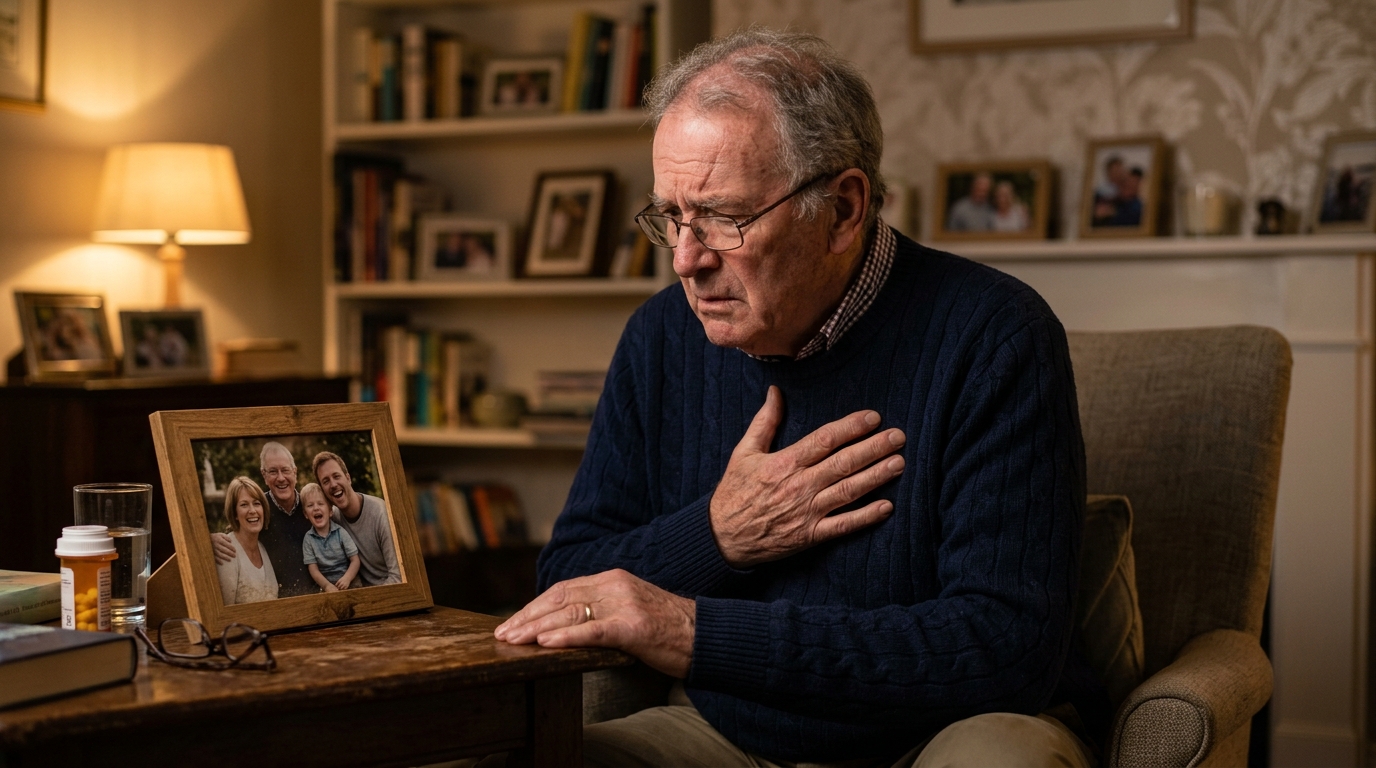
Understanding Your Heart After 60
As we navigate our golden years, our bodies undergo natural changes. While we often focus on joint health or memory, the heart remains our most vital engine. After age 60, the risk of cardiovascular disease naturally increases, but this does not mean heart issues are an inevitable part of aging. By learning to recognize the subtle—and sometimes silent—warning signs, you can take control of your long-term health.
The Subtle Symptoms You Shouldn't Ignore
Many of us expect chest pain to be the definitive sign of a heart issue. However, according to the Mayo Clinic, heart disease in older adults often presents with atypical symptoms. It is essential to listen to your body when it communicates discomfort in ways that don't fit the classic "Hollywood heart attack" mold.
1. Unexplained Fatigue
If you find yourself feeling unusually drained after simple activities like walking to the mailbox or climbing a single flight of stairs, take note. While exhaustion is common, sudden or progressive fatigue can be a signal that your heart is struggling to pump blood efficiently.
2. Shortness of Breath
Harvard Medical School research shows that shortness of breath, especially when lying flat or during light exertion, can be a symptom of heart failure or coronary artery disease. If you find yourself propping up pillows at night to breathe more comfortably, it is time to schedule a visit with your primary care provider.
3. Persistent Discomfort Beyond the Chest
Heart distress often radiates. Pay close attention to pain, tightness, or pressure in your jaw, neck, back, or upper abdomen. Sometimes, what feels like persistent indigestion or a pulled muscle in your shoulder can actually be a cardiac event.
Why Your Age Matters
As we age, our blood vessels lose some of their elasticity, and the heart muscle may thicken. A 2022 study published in JAMA Internal Medicine underscores that managing blood pressure and cholesterol levels remains the cornerstone of preventing major cardiac events in the 65+ demographic. The goal isn't just to add years to your life, but to add life to your years by keeping your cardiovascular system resilient.
Practical Steps to Protect Your Heart Today
You don't need to run a marathon to improve your heart health. Small, consistent changes have a cumulative effect that your heart will thank you for.
Move with Purpose
The National Council on Aging (NCOA) suggests that even 20 to 30 minutes of moderate activity, like brisk walking or water aerobics, can significantly lower your risk of heart disease. Consistency is more important than intensity.
The Power of the Plate
Focus on a heart-healthy diet rich in fiber, lean proteins, and healthy fats. Incorporating more leafy greens, berries, and omega-3 fatty acids from fish can help manage inflammation and keep your arteries clear.
Know Your Numbers
According to the Cleveland Clinic, knowing your "ABC" numbers—A1C (blood sugar), Blood Pressure, and Cholesterol—is the most effective way to track your heart health trends over time. Keep a simple log or use a health app to monitor these during your checkups.
Key Takeaways
- Look beyond the chest: Jaw, back, and stomach pain can be indicators of heart distress in seniors.
- Don't dismiss fatigue: Sudden changes in your energy levels during routine tasks warrant a conversation with your doctor.
- Prioritize movement: Gentle, consistent physical activity is the best medicine for a aging heart.
- Monitor your vitals: Keep a record of your blood pressure and cholesterol levels to stay ahead of potential issues.
- Listen to your body: You know your "normal" better than anyone; if something feels off, err on the side of caution.
Take Charge of Your Vitality
Your heart has worked hard for you for decades—now it is time to return the favor. By staying informed and proactive, you can continue to enjoy your favorite activities with energy and confidence. If you've found this information helpful, please explore our other articles on SeniorVitalityHub.blog to learn more about nutrition, longevity, and maintaining an active lifestyle in your 60s, 70s, and beyond.

Comments