As we navigate our golden years, joint pain can become an unwelcome companion. Whether it's a persistent ache or a sharp, stabbing sensation, joint pain can significantly impact our daily lives. Fortunately, simple and effective remedies like heat and cold therapy can offer significant relief. But with so much information available, it's crucial to understand when to use which. This article will serve as your guide to understanding the nuances of heat and cold therapy, empowering you to manage your joint pain effectively and safely.
Understanding Joint Pain
Joint pain arises from a variety of causes, often linked to age-related changes. Osteoarthritis, the most common type of arthritis, involves the breakdown of cartilage, the cushioning tissue in our joints. This leads to friction, pain, and stiffness. Rheumatoid arthritis, an autoimmune condition, causes inflammation of the joint lining, resulting in pain, swelling, and potential joint damage. Other causes include bursitis, tendonitis, and injuries like sprains and strains.
It's important to consult with your doctor to determine the underlying cause of your joint pain. A proper diagnosis is essential for developing an effective management plan. According to the National Institutes of Health (NIH), early diagnosis and treatment can help slow the progression of many joint conditions.
Heat Therapy: Soothing Relief for Stiff Joints
Heat therapy works by increasing blood flow to the affected area. This increased circulation helps relax muscles, reduce stiffness, and ease pain. The warmth can also improve joint mobility, making it easier to perform everyday activities.
When to Use Heat Therapy
- Chronic Pain: Heat is generally more effective for chronic joint pain and stiffness, such as that experienced with osteoarthritis.
- Muscle Spasms: The relaxing effect of heat can help alleviate muscle spasms around the joints.
- Stiff Joints: Applying heat before activity can loosen stiff joints and improve range of motion.
How to Apply Heat Therapy Safely
- Warm Baths or Showers: A warm bath or shower for 15-20 minutes can provide widespread relief.
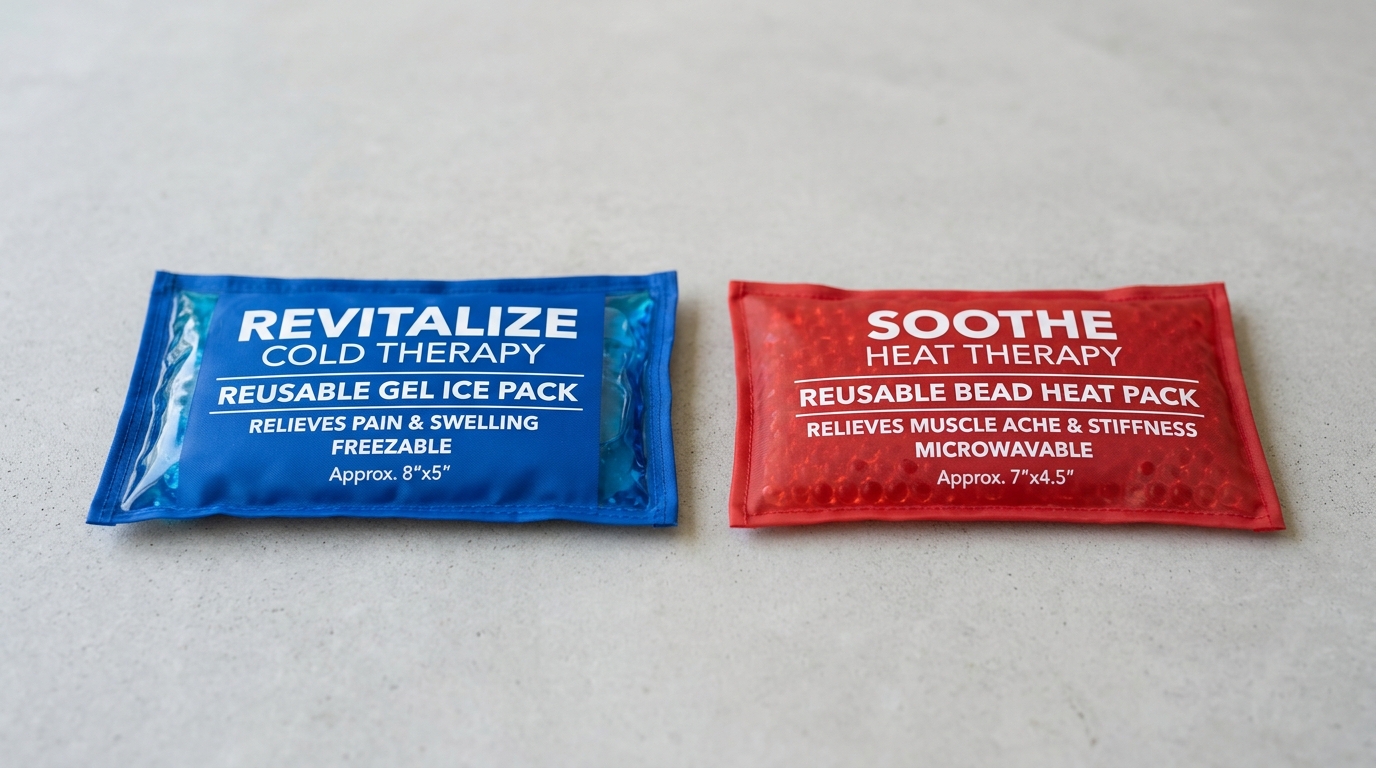
- Heating Pads: Electric heating pads or microwavable heat packs can be applied directly to the affected joint. Be sure to use a low or medium setting and limit application to 15-20 minutes to avoid burns.
- Warm Compresses: Soak a towel in warm water, wring it out, and apply it to the painful area.
Important Note: Avoid using heat therapy on acute injuries or areas that are already inflamed, as it can worsen swelling.
Cold Therapy: Reducing Inflammation and Pain
Cold therapy, also known as cryotherapy, works by reducing blood flow to the affected area. This helps to decrease inflammation, swelling, and pain. Cold can also numb the area, providing temporary pain relief. According to the Cleveland Clinic, cold therapy is most effective for acute injuries and inflammation.
When to Use Cold Therapy
- Acute Injuries: Use cold therapy for recent injuries like sprains, strains, or bumps to reduce swelling and pain.
- Inflammation: Cold can help reduce inflammation associated with conditions like tendonitis or bursitis.
- Post-Exercise Pain: Applying cold after exercise can help minimize muscle soreness and inflammation.
How to Apply Cold Therapy Safely
- Ice Packs: Wrap an ice pack in a towel and apply it to the affected joint for 15-20 minutes at a time. Never apply ice directly to the skin.
- Cold Compresses: Soak a towel in cold water, wring it out, and apply it to the painful area.
- Ice Massage: Freeze water in a small cup and massage the ice directly over the painful area for a few minutes.
Important Note: Avoid using cold therapy if you have poor circulation or are sensitive to cold. The Mayo Clinic recommends consulting your doctor if you have any concerns.
Combining Heat and Cold Therapy
In some cases, alternating between heat and cold therapy can be beneficial. This approach, known as contrast therapy, can help reduce inflammation and improve circulation. For example, you might apply heat for 15 minutes, followed by cold for 15 minutes, repeating the cycle a few times. This can be particularly helpful for managing chronic pain with occasional flare-ups of inflammation.
Other Important Considerations
- Listen to Your Body: Pay attention to how your body responds to heat and cold therapy. If either treatment worsens your pain, discontinue use.
- Underlying Conditions: If you have diabetes, peripheral vascular disease, or other conditions that affect circulation or sensation, consult with your doctor before using heat or cold therapy.
- Medications: Certain medications can increase your sensitivity to heat or cold. Talk to your doctor or pharmacist about any potential interactions.
Key Takeaways
- Heat therapy is best for chronic pain and stiffness, while cold therapy is ideal for acute injuries and inflammation.
- Apply heat or cold for 15-20 minutes at a time, and always protect your skin with a towel.
- Listen to your body and discontinue use if either treatment worsens your pain.
- Consult with your doctor if you have any underlying health conditions or concerns.
- Consider alternating between heat and cold therapy for chronic pain with occasional flare-ups.
Practical Tips You Can Implement Today
- Start Simple: If you're experiencing joint pain, try a warm bath or a cold compress to see if it provides relief.
- Create a Routine: Incorporate heat or cold therapy into your daily routine, especially before or after activities that aggravate your pain.
- Track Your Progress: Keep a journal to note which treatments work best for you and under what circumstances.
- Stay Active: Gentle exercises like walking, swimming, or yoga can help improve joint mobility and reduce pain. Harvard Medical School research shows that regular exercise can significantly reduce arthritis pain.
Managing joint pain effectively requires a multifaceted approach. Heat and cold therapy are valuable tools, but they should be used in conjunction with other strategies like exercise, healthy diet, and appropriate medical care. By understanding the principles behind these therapies and implementing them safely, you can take control of your joint pain and enjoy a more active and fulfilling life.
Ready to learn more ways to support your joint health? Check out our other articles on SeniorVitalityHub.blog for more tips and advice!

Comments