High Blood Pressure: The Hidden Salt in Everyday Foods
High blood pressure, or hypertension, is a common condition affecting millions of adults, especially those over 60. While many are aware of the dangers of adding too much salt to their meals, the real culprit often lies hidden in everyday foods we consume without a second thought. Understanding these hidden sources of sodium is crucial for managing your blood pressure and improving your overall heart health.
Understanding High Blood Pressure
Blood pressure is the force of your blood pushing against the walls of your arteries. It's recorded as two numbers: systolic (the pressure when your heart beats) over diastolic (the pressure when your heart rests between beats). A normal blood pressure reading is typically below 120/80 mmHg. High blood pressure is generally defined as 130/80 mmHg or higher, according to the American Heart Association.
Why is high blood pressure a concern? Over time, it can damage your heart, blood vessels, kidneys, and other organs, increasing your risk of heart attack, stroke, kidney disease, and even vision loss. The good news is that high blood pressure is often manageable through lifestyle changes and, if necessary, medication.
The Sodium Connection
Sodium plays a vital role in regulating fluid balance in the body. However, excessive sodium intake can lead to fluid retention, increasing blood volume and subsequently raising blood pressure. The American Heart Association recommends limiting sodium intake to no more than 2,300 milligrams per day, and ideally no more than 1,500 milligrams per day for most adults, especially those with high blood pressure.
While table salt is an obvious source of sodium, the majority of our sodium intake comes from processed and packaged foods. This is where the “hidden salt” lurks, often in surprising quantities.
Hidden Sources of Sodium
Let's explore some common culprits that contribute significantly to our daily sodium intake:
Processed Foods
Processed foods are notorious for their high sodium content. Manufacturers often add salt as a preservative, flavor enhancer, or to improve texture. Examples include:
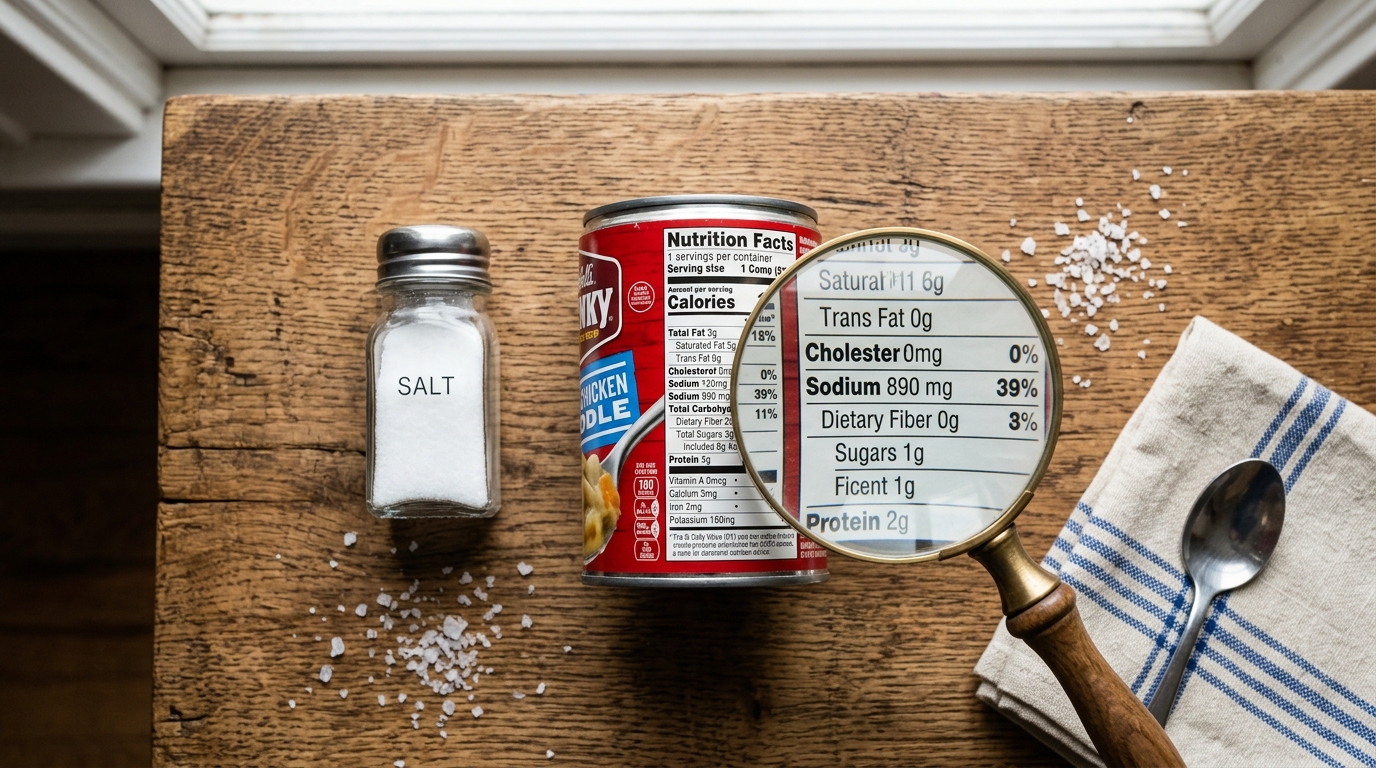
- Canned soups: A single serving can contain over 800mg of sodium. Look for low-sodium varieties or make your own homemade soup.
- Processed meats: Bacon, sausage, ham, and deli meats are loaded with sodium. A 2-ounce serving of deli meat can contain up to 700mg of sodium.
- Frozen meals: These are often high in sodium to preserve flavor and extend shelf life. Always check the nutrition label and choose options with less than 600mg of sodium per serving.
- Snack foods: Chips, pretzels, crackers, and other salty snacks are obvious sources of sodium. Opt for unsalted versions or healthier alternatives like fruits and vegetables.
Restaurant Meals
Restaurant meals, both fast food and sit-down dining, tend to be high in sodium. Chefs often use salt generously to enhance flavor. A study by the Centers for Disease Control and Prevention (CDC) found that restaurant meals contribute significantly to overall sodium intake in the U.S. population.
Condiments and Sauces
Condiments and sauces can be surprisingly high in sodium. Consider these examples:
- Soy sauce: Just one tablespoon contains nearly 1,000mg of sodium. Use it sparingly or opt for low-sodium versions.
- Ketchup: While seemingly innocent, ketchup can contain a significant amount of sodium. Choose low-sodium options or use it in moderation.
- Salad dressings: Many commercial salad dressings are high in sodium. Make your own vinaigrette at home using olive oil, vinegar, and herbs.
- Mustard: Some mustards, especially prepared mustards, can be high in sodium. Check the label and choose low-sodium varieties.
Breads and Rolls
Even seemingly innocuous foods like bread and rolls can contribute to your sodium intake. While a single slice may not seem like much, the sodium adds up quickly if you consume multiple slices throughout the day. According to Harvard Medical School research, even seemingly healthy breads can be a significant source of hidden sodium. Opt for whole-grain breads with lower sodium content.
Practical Tips for Reducing Sodium Intake
Here are some actionable steps you can take today to reduce your sodium intake and manage your blood pressure:
- Read Nutrition Labels: This is the most crucial step. Pay attention to the sodium content per serving and compare different brands to choose the lowest sodium option.
- Cook at Home More Often: Cooking at home gives you control over the ingredients and allows you to limit the amount of salt you add.
- Use Herbs and Spices: Experiment with herbs, spices, and other flavor enhancers to season your food instead of salt. Garlic, onion, pepper, paprika, and chili powder are all excellent options.
- Rinse Canned Foods: Rinsing canned beans, vegetables, and other foods under water can help remove some of the excess sodium.
- Limit Processed Foods: Reduce your consumption of processed foods, fast food, and restaurant meals.
- Choose Low-Sodium Options: When buying processed foods, look for low-sodium or reduced-sodium versions.
- Be Mindful of Condiments: Use condiments sparingly and choose low-sodium options.
- Prepare Your Own Salad Dressings: Homemade salad dressings are healthier and allow you to control the sodium content.
- Consult Your Doctor: Talk to your doctor or a registered dietitian about your sodium intake and how to manage your blood pressure. A 2023 report by the National Council on Aging (NCOA) highlights the importance of regular check-ups for seniors to monitor and manage hypertension effectively.
The DASH Diet
The Dietary Approaches to Stop Hypertension (DASH) diet is a eating plan designed to help lower blood pressure. It emphasizes fruits, vegetables, whole grains, lean protein, and low-fat dairy products. The DASH diet is naturally low in sodium and rich in potassium, magnesium, and calcium, which can help lower blood pressure. The National Institutes of Health (NIH) has extensive resources on the DASH diet, including sample meal plans and recipes.
Key Takeaways
- High blood pressure is a serious condition that can lead to heart disease, stroke, and other health problems.
- Hidden sodium in processed foods, restaurant meals, and condiments is a major contributor to high blood pressure.
- Reading nutrition labels, cooking at home, and limiting processed foods are effective ways to reduce sodium intake.
- The DASH diet is a proven eating plan for lowering blood pressure.
- Consult your doctor or a registered dietitian for personalized advice on managing your blood pressure.
By understanding the hidden sources of salt in everyday foods and making conscious choices to reduce your sodium intake, you can take control of your blood pressure and improve your overall heart health. Small changes can make a big difference!
Want to learn more about maintaining a healthy heart as you age? Explore our other articles on heart health for seniors!

Comments