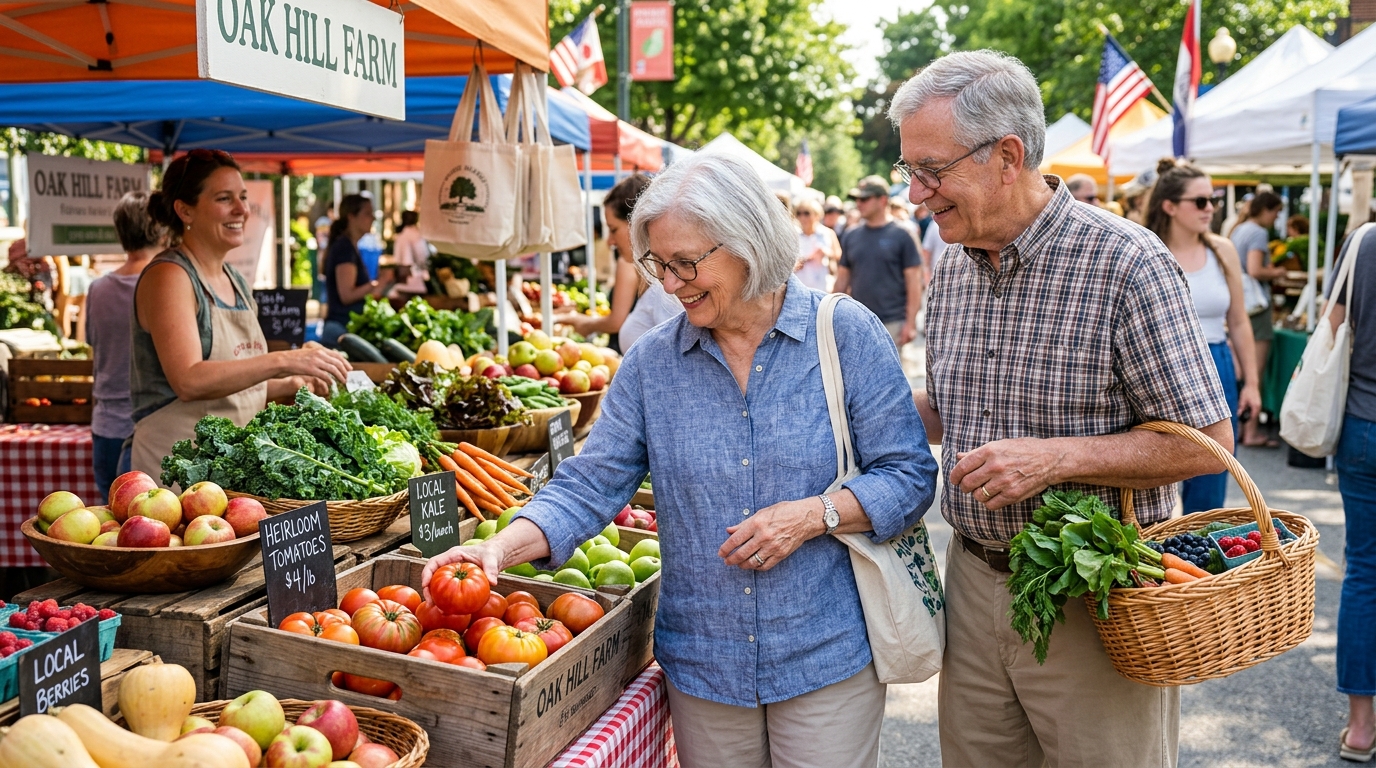
As we journey through our golden years, prioritizing our health becomes even more crucial. A plant-based diet, rich in fruits, vegetables, whole grains, and legumes, offers a powerful way to support vitality and well-being after 60. This article explores the many benefits of embracing a plant-based lifestyle, providing actionable tips to help you thrive.
What is a Plant-Based Diet?
A plant-based diet emphasizes whole, minimally processed foods derived from plants. While some individuals may adopt a completely vegan approach (excluding all animal products), others may follow a more flexible approach, incorporating small amounts of meat, poultry, or fish. The key is to make plants the foundation of your meals.
Different Types of Plant-Based Diets
- Vegan: Excludes all animal products, including meat, poultry, fish, dairy, and eggs.
- Vegetarian: Excludes meat, poultry, and fish, but may include dairy and eggs (lacto-ovo vegetarian).
- Pescatarian: Includes fish but excludes meat and poultry.
- Flexitarian: A primarily vegetarian diet with occasional meat consumption.
Health Benefits of a Plant-Based Diet for Seniors
A diet rich in plant-based foods offers a multitude of health advantages, especially for seniors. Research consistently demonstrates its positive impact on various aspects of well-being.
Improved Heart Health
Heart disease is a leading cause of death in older adults. Plant-based diets are naturally low in saturated fat and cholesterol, which can contribute to plaque buildup in arteries. A 2019 study in the Journal of the American Heart Association found that plant-based diets are associated with a lower risk of cardiovascular disease. Furthermore, the high fiber content in plant foods helps lower LDL (bad) cholesterol levels.
Reduced Risk of Type 2 Diabetes
Plant-based diets can improve insulin sensitivity and blood sugar control. The high fiber content slows down glucose absorption, preventing blood sugar spikes. According to the National Institute of Diabetes and Digestive and Kidney Diseases (NIDDK), plant-based eating patterns can be an effective strategy for managing and even preventing type 2 diabetes.
Enhanced Cognitive Function
The antioxidants and anti-inflammatory compounds in plant foods can protect brain cells from damage. A study published in Alzheimer's & Dementia in 2018 showed that individuals following a Mediterranean-style diet (which is heavily plant-based) had a lower risk of cognitive decline. Berries, leafy greens, and nuts are particularly beneficial for brain health.
Better Weight Management
Plant-based diets are often lower in calories and higher in fiber, promoting satiety and helping with weight management. Maintaining a healthy weight reduces the risk of various health problems, including joint pain, heart disease, and type 2 diabetes. The Mayo Clinic recommends a plant-based approach for sustainable weight loss and overall health improvement.
Improved Gut Health
The fiber in plant-based foods feeds beneficial gut bacteria, promoting a healthy gut microbiome. A diverse and thriving gut microbiome is essential for immune function, nutrient absorption, and overall well-being. Fermented plant foods like sauerkraut and kimchi are excellent sources of probiotics, which further support gut health.
Practical Tips for Transitioning to a Plant-Based Diet
Making dietary changes can seem daunting, but it doesn't have to be. Here are some simple, actionable tips to help you gradually incorporate more plant-based foods into your diet:
Start Small
Don't feel pressured to overhaul your diet overnight. Begin by incorporating one or two plant-based meals per week. For example, try a lentil soup for lunch or a tofu stir-fry for dinner.
Focus on Whole Foods
Prioritize whole, unprocessed plant foods like fruits, vegetables, whole grains, legumes, nuts, and seeds. These foods are packed with nutrients and fiber.
Explore New Recipes
Experiment with plant-based recipes to discover new flavors and cuisines. There are countless resources available online and in cookbooks. Look for recipes that are easy to prepare and suit your taste preferences.
Read Food Labels
Pay attention to food labels to identify hidden sources of animal products, such as whey or casein in processed foods. Choose products that are labeled as vegan or vegetarian.
Plan Your Meals
Meal planning can help you stay on track and ensure you're getting a balanced diet. Take some time each week to plan your meals and create a grocery list.
Consider Supplements
Depending on your dietary choices, you may need to supplement with certain nutrients, such as vitamin B12, which is primarily found in animal products. Consult with your doctor or a registered dietitian to determine if supplementation is right for you. According to AARP, seniors should pay close attention to their B12 intake.
Potential Challenges and How to Overcome Them
While a plant-based diet offers numerous benefits, it's important to be aware of potential challenges and how to address them:
Ensuring Adequate Protein Intake
Many people worry about getting enough protein on a plant-based diet. However, it's entirely possible to meet your protein needs by consuming a variety of plant-based protein sources, such as legumes, tofu, tempeh, nuts, seeds, and whole grains.
Meeting Calcium Needs
Calcium is essential for bone health. Good plant-based sources of calcium include leafy green vegetables, fortified plant milks, tofu, and almonds.
Addressing Iron Deficiency
Iron deficiency is more common in vegetarians and vegans. To enhance iron absorption, consume iron-rich foods along with vitamin C-rich foods, such as citrus fruits or bell peppers.
Key Takeaways
- A plant-based diet can significantly improve heart health, reduce the risk of type 2 diabetes, and enhance cognitive function in seniors.
- Focus on whole, minimally processed plant foods like fruits, vegetables, whole grains, and legumes.
- Start small and gradually incorporate more plant-based meals into your diet.
- Pay attention to your nutrient intake and consider supplementation if necessary.
- Consult with your doctor or a registered dietitian for personalized advice.
Embracing a plant-based diet can be a transformative step towards a healthier and more vibrant life after 60. By making informed choices and gradually incorporating more plant foods into your meals, you can reap the numerous benefits this lifestyle has to offer.
Ready to explore more ways to enhance your well-being? Check out our other articles on SeniorVitalityHub.blog for more tips and advice!

Comments