Why Fiber Matters More Than Ever After 60
As we navigate our golden years, our bodies undergo subtle shifts in metabolism and digestion. One of the most effective, science-backed ways to support longevity and comfort is by prioritizing dietary fiber. Often overlooked in favor of protein or calcium, fiber is the unsung hero of digestive health, heart function, and blood sugar regulation.
According to the Mayo Clinic, fiber is essential for normalizing bowel movements, maintaining bowel health, and lowering cholesterol levels. For those of us over 60, getting enough fiber isn't just about avoiding discomfort—it's about protecting our long-term vitality.
How Much Fiber Do You Actually Need?
While the general recommendation for adults is often cited as 25 to 30 grams per day, individual needs can vary based on activity level and health status. The National Institutes of Health (NIH) suggests that men over 50 should aim for approximately 30 grams, while women should aim for 21 grams daily. However, many seniors consume significantly less than this, often due to changes in appetite or dental health.
It is important to remember that fiber comes in two forms: soluble and insoluble. Soluble fiber, found in oats and beans, dissolves in water to form a gel-like substance that helps lower glucose and blood cholesterol. Insoluble fiber, found in whole grains and vegetables, promotes movement through your digestive system, preventing constipation, which is a common concern for older adults.
The Health Benefits Beyond Digestion
Fiber is more than just a digestive aid. Harvard Medical School research shows that a high-fiber diet is linked to a significantly lower risk of cardiovascular disease. By binding to cholesterol particles in the digestive system and moving them out of the body before they are absorbed, fiber acts as a natural cleanser for your arteries.
Furthermore, fiber plays a critical role in blood sugar management. A 2022 study published in JAMA Internal Medicine found that high fiber intake is associated with improved insulin sensitivity, which is vital for preventing or managing Type 2 diabetes as we age.
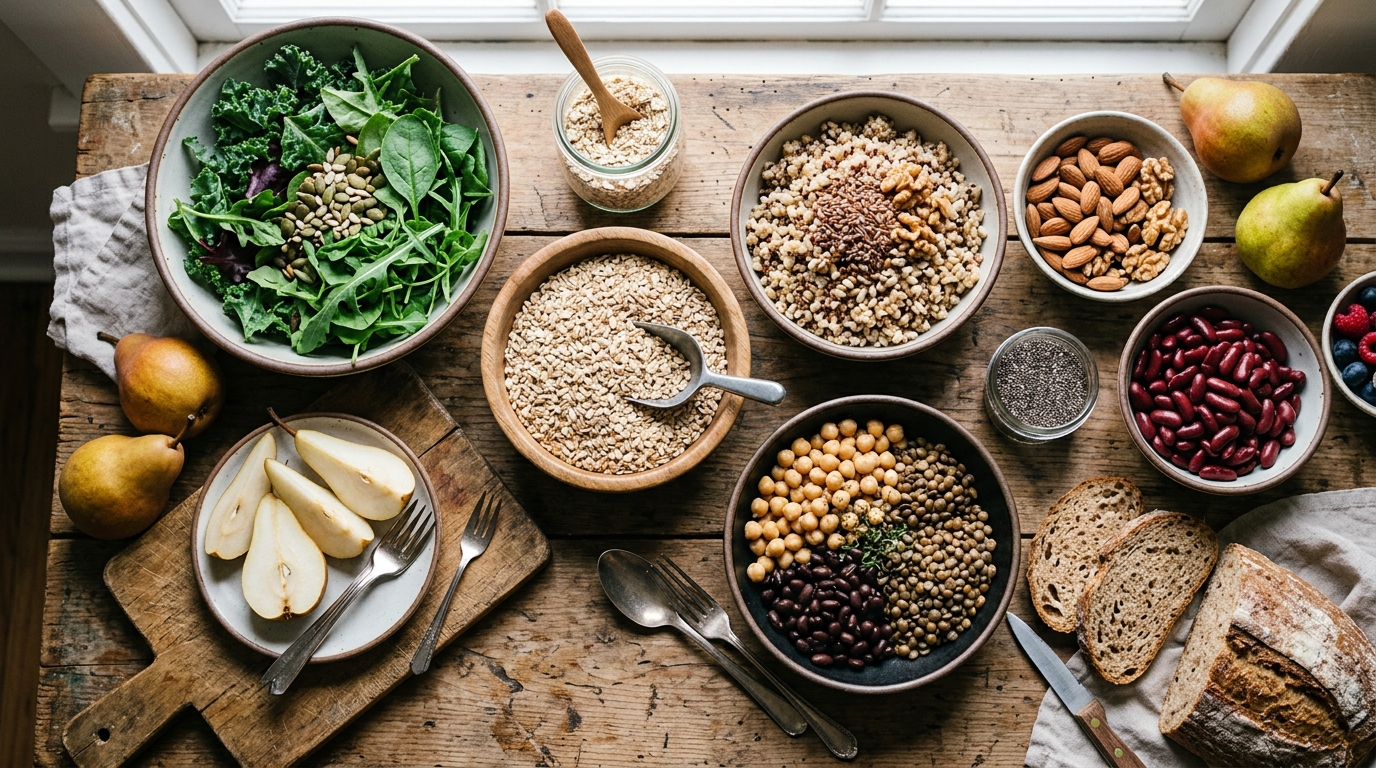
Top Fiber-Rich Foods for Your Kitchen
Adding fiber to your diet doesn't have to mean eating flavorless bran flakes. You can easily reach your daily goals by incorporating these nutrient-dense foods:
- Legumes: Lentils, chickpeas, and black beans are fiber powerhouses. A single cup of cooked lentils provides nearly 16 grams of fiber.
- Berries: Raspberries and blackberries are excellent choices. They are high in fiber and packed with antioxidants that support brain health.
- Whole Grains: Swap white bread for 100% whole-wheat bread or quinoa. These provide sustained energy without the blood sugar spikes.
- Vegetables: Artichokes, broccoli, and Brussels sprouts are not only high in fiber but also rich in vitamins K and C.
- Seeds: Chia and flax seeds are easy to sprinkle over yogurt or oatmeal for a quick fiber boost.
Practical Tips for Increasing Fiber Safely
If you are currently eating a low-fiber diet, do not double your intake overnight. Increasing fiber too quickly can lead to bloating or gas. Follow these actionable steps to transition comfortably:
- Hydrate: Fiber works by absorbing water. If you increase your fiber intake without increasing your water intake, you may experience the opposite effect of what you intended. Aim for 8 glasses of water daily.
- The "Slow and Steady" Approach: Add one high-fiber food at a time. Maybe start with a serving of berries at breakfast, then move to swapping your lunch bread for a whole-grain alternative a week later.
- Choose Whole Foods Over Supplements: While fiber supplements exist, the Cleveland Clinic advises that you get your fiber from whole foods whenever possible to benefit from the accompanying phytonutrients and minerals.
Key Takeaways
- Aim for 21 to 30 grams of fiber daily depending on your gender and caloric needs.
- Prioritize a mix of soluble and insoluble fiber for heart and digestive benefits.
- Increase your water intake alongside fiber to prevent digestive discomfort.
- Focus on whole foods like legumes, berries, and whole grains rather than relying on processed "fiber-added" snacks.
- Consult your primary care physician before making drastic changes if you have a history of digestive conditions like diverticulitis.
By making small, consistent adjustments to your plate, you are investing in your future health. Whether it's adding a handful of raspberries to your morning cereal or choosing a lentil soup for lunch, every gram counts.
Ready to take more control of your wellness journey? Explore our other articles on Nutrition for Seniors to discover more ways to fuel your vitality at any age.

Comments