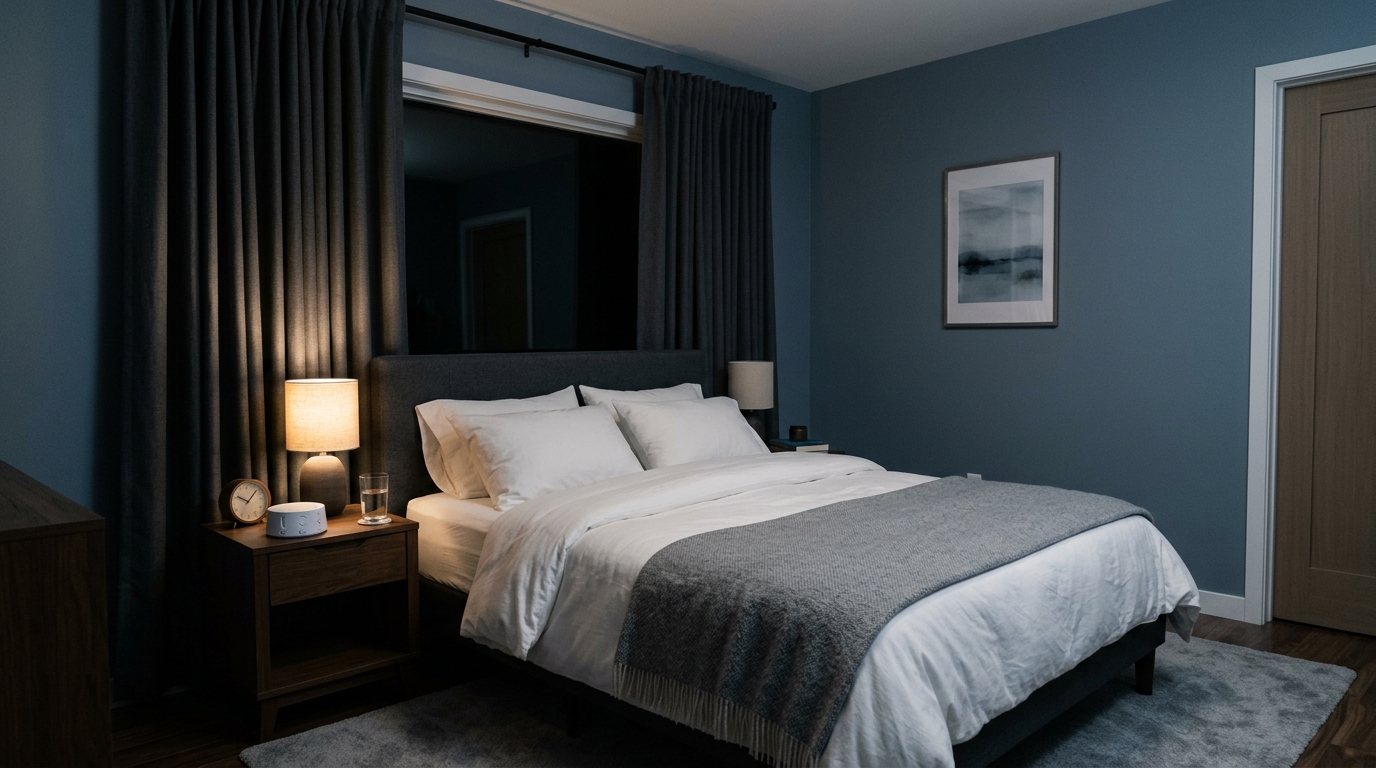
As we gracefully age, our sleep patterns often change. What used to be a simple matter of falling asleep and waking up refreshed can become a nightly challenge. But don't despair! Creating the perfect sleep environment can significantly improve your sleep quality after 60. Let's explore how.
Understanding Sleep Changes After 60
It's important to acknowledge that sleep changes are a normal part of aging. You might find yourself waking up more frequently during the night, having trouble falling asleep, or feeling less rested even after a full night's sleep. According to the National Council on Aging (NCOA), older adults tend to produce less melatonin, a hormone that regulates sleep, which can contribute to these issues.
Why Sleep Matters for Seniors
Quality sleep is crucial for maintaining both physical and mental health as we age. It supports cognitive function, boosts the immune system, and helps regulate mood. A lack of sleep can exacerbate existing health conditions and increase the risk of falls and accidents. Harvard Medical School research shows a strong link between poor sleep and increased risk of chronic diseases like heart disease and diabetes.
Creating Your Ideal Sleep Sanctuary
Your bedroom should be a haven dedicated to rest and relaxation. Here's how to transform it into the perfect sleep environment:
1. Optimize Room Temperature
The ideal temperature for sleep is between 60 and 67 degrees Fahrenheit. A slightly cooler room helps your body temperature drop, which is a natural signal that it's time to sleep. A study by the National Institutes of Health (NIH) found that maintaining a cool room temperature can improve sleep quality and reduce nighttime awakenings.
Actionable Tip: Adjust your thermostat before bed or use a fan to regulate the temperature.
2. Block Out Light and Noise
Light and noise can disrupt your sleep cycle. Invest in blackout curtains or blinds to block out external light sources, such as streetlights or early morning sun. Use earplugs or a white noise machine to mask distracting sounds.
Actionable Tip: Try a sleep mask and noise-canceling headphones if curtains and earplugs aren't enough.
3. Invest in a Comfortable Mattress and Pillows
An old or uncomfortable mattress can contribute to aches and pains, making it difficult to fall and stay asleep. Choose a mattress that provides adequate support and cushioning for your body. Similarly, invest in pillows that support your head and neck in a comfortable position.
Actionable Tip: Consider a memory foam mattress topper to add extra comfort to your existing mattress. Replace pillows every 1-2 years.
4. Choose the Right Bedding
Opt for breathable, natural fabrics like cotton or linen for your bedding. These materials help regulate body temperature and prevent overheating during the night. Avoid synthetic fabrics that can trap heat and moisture.
Actionable Tip: Wash your bedding regularly to remove dust mites and allergens that can disrupt sleep.
5. Minimize Clutter
A cluttered bedroom can create a sense of unease and make it harder to relax. Keep your bedroom tidy and free of distractions. Remove unnecessary items and create a calming, minimalist space. According to the Mayo Clinic, a cluttered environment can increase stress and anxiety, leading to sleep problems.
Actionable Tip: Spend 15 minutes each day decluttering your bedroom.
6. Control Humidity
Both overly dry and overly humid air can interfere with sleep. Use a humidifier to add moisture to the air if it's too dry, or a dehumidifier to remove excess moisture if it's too humid. The ideal humidity level for sleep is between 30% and 50%.
Actionable Tip: Purchase a hygrometer to measure the humidity level in your bedroom.
7. Introduce Calming Scents
Certain scents, such as lavender and chamomile, have been shown to promote relaxation and improve sleep quality. Use an essential oil diffuser or place a sachet of dried lavender near your bed.
Actionable Tip: Experiment with different scents to find what works best for you.
8. Limit Screen Time Before Bed
The blue light emitted from electronic devices can interfere with melatonin production, making it harder to fall asleep. Avoid using smartphones, tablets, and computers for at least an hour before bed. A 2023 study by Johns Hopkins Medicine found that blue light exposure before bed significantly reduces sleep quality in older adults.
Actionable Tip: Read a book or listen to calming music instead of watching TV before bed.
Establishing a Relaxing Bedtime Routine
In addition to creating the perfect sleep environment, establishing a relaxing bedtime routine can also improve your sleep quality. This routine should include activities that help you wind down and prepare for sleep.
- Take a warm bath or shower.
- Read a book or listen to calming music.
- Practice relaxation techniques, such as deep breathing or meditation.
- Drink a cup of herbal tea (caffeine-free).
Key Takeaways
- Optimize your bedroom temperature to between 60 and 67 degrees Fahrenheit.
- Block out light and noise with blackout curtains, earplugs, or a white noise machine.
- Invest in a comfortable mattress and pillows that provide adequate support.
- Establish a relaxing bedtime routine to help you wind down before sleep.
- Limit screen time before bed to avoid blue light exposure.
Creating the perfect sleep environment is an investment in your health and well-being. By making a few simple changes to your bedroom and bedtime routine, you can significantly improve your sleep quality and wake up feeling refreshed and energized. Sweet dreams!
Ready for more tips on healthy aging? Explore our other articles on SeniorVitalityHub.blog!

Comments