How to Get Up From the Floor Safely After a Fall
A fall is a daunting experience, but knowing how to manage it can make a world of difference in your confidence and physical safety. As we age, our bodies change, and the ability to recover from a tumble becomes a vital skill. Whether you are currently active or navigating mobility challenges, understanding the mechanics of getting up from the floor can transform a moment of panic into a controlled, safe recovery.
Assess Before You Move
The most important rule after a fall is to pause. According to the Mayo Clinic, rushing to stand up after a fall can lead to dizziness or further injury. Take a moment to breathe and perform a mental scan of your body. Do you feel sharp pain? Are you bleeding? Can you wiggle your toes and fingers? If you feel significant pain, dizziness, or confusion, do not attempt to get up. Instead, call for help immediately using a medical alert device or your phone.
The Step-by-Step Recovery Method
If you have determined that you are uninjured and capable of moving, use the following method, which is often recommended by physical therapists to maintain stability.
1. Roll Onto Your Side
Slowly roll onto your side. Do not rush this movement. Lie there for a few seconds to ensure you are not lightheaded. This position helps your blood pressure stabilize.
2. Get Onto Your Hands and Knees
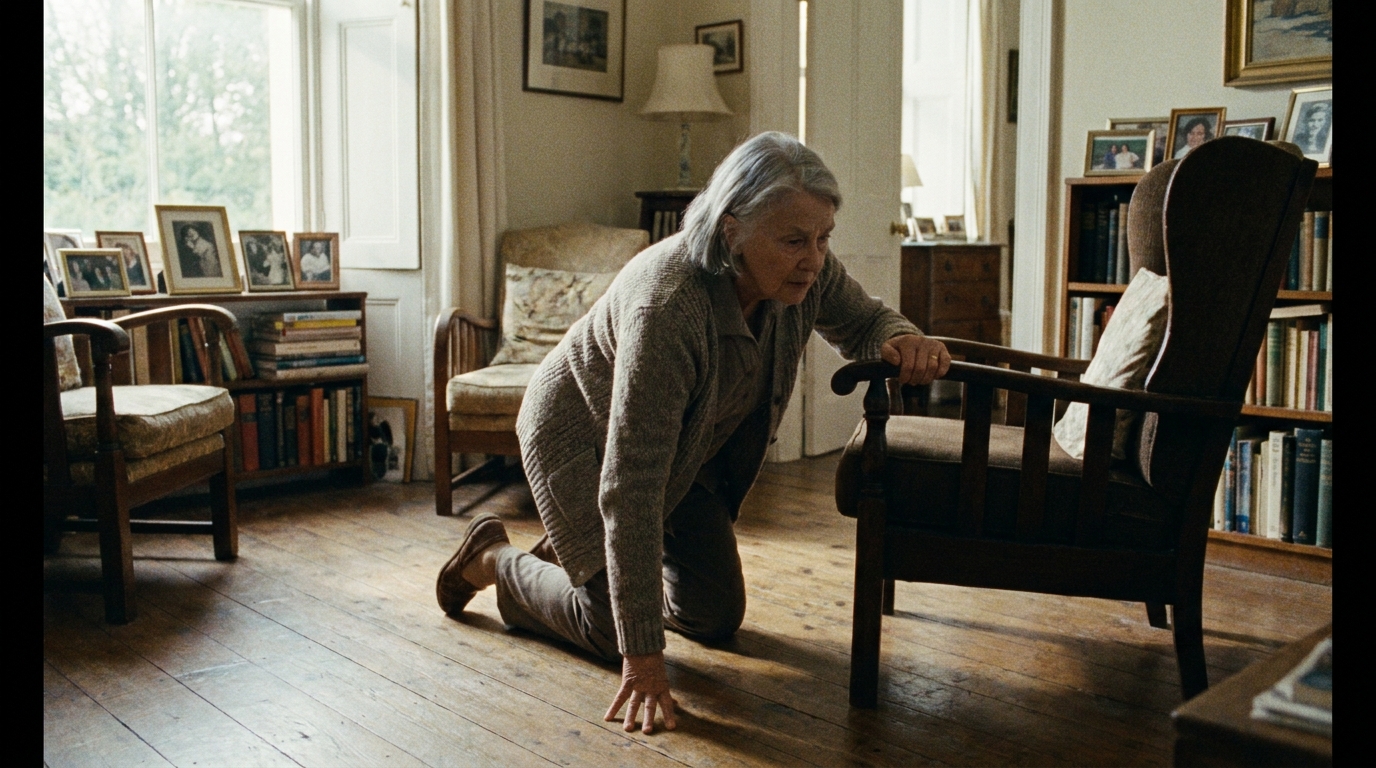
Push yourself up onto your hands and knees (the "all fours" position). If your knees are sensitive, try to move toward a sturdy piece of furniture, like a sofa or a heavy chair, which can act as an anchor.
3. The "Lunge" Position
Move your strongest leg forward so that your foot is flat on the floor, keeping your other knee on the ground. This creates a stable lunge position. Using a nearby piece of furniture for support here is critical.
4. Push to Stand
Place both hands on the seat of the chair or the edge of the sofa. Lean your weight forward and push through your front heel to stand up slowly. Turn around and sit down on the furniture immediately to catch your breath.
Why Strength Training Matters
The ability to get off the floor is directly tied to your core and lower-body strength. Harvard Medical School research shows that regular resistance training significantly reduces the risk of falls by improving balance and muscle mass. Engaging in exercises like sit-to-stands—where you practice standing up from a chair without using your arms—builds the exact muscles needed to perform a floor recovery.
Furthermore, the National Council on Aging (NCOA) emphasizes that fall prevention is a multi-faceted approach. This includes reviewing your medications with a doctor, as some prescriptions can cause side effects like drowsiness or dizziness, which are common contributors to household falls.
Key Takeaways
- Pause and Assess: Never rush to get up; check for injuries or dizziness first.
- Use Furniture as an Anchor: Always utilize sturdy, non-rolling furniture to assist in your transition from floor to standing.
- Focus on Core Strength: Regular lower-body exercises improve your functional ability to recover from a fall.
- Safety First: If you cannot get up within a few minutes, use a medical alert system or call for emergency assistance rather than straining yourself.
- Consult Your Doctor: Discuss fall history with your healthcare provider to identify underlying issues like vision changes or medication side effects.
Preparation is Power
Knowing the steps to get up is only half the battle; the other half is creating a home environment that prevents falls in the first place. Remove throw rugs, ensure walkways are well-lit, and consider installing grab bars in the bathroom. The Cleveland Clinic suggests that environmental modifications are among the most effective ways to maintain independence at home. By combining a safe living space with the knowledge of how to recover, you can continue to live your life with vitality and peace of mind.
Ready to build more strength and confidence? Explore our other articles on Balance & Fall Prevention to learn more about simple, daily exercises you can do at home.

Comments