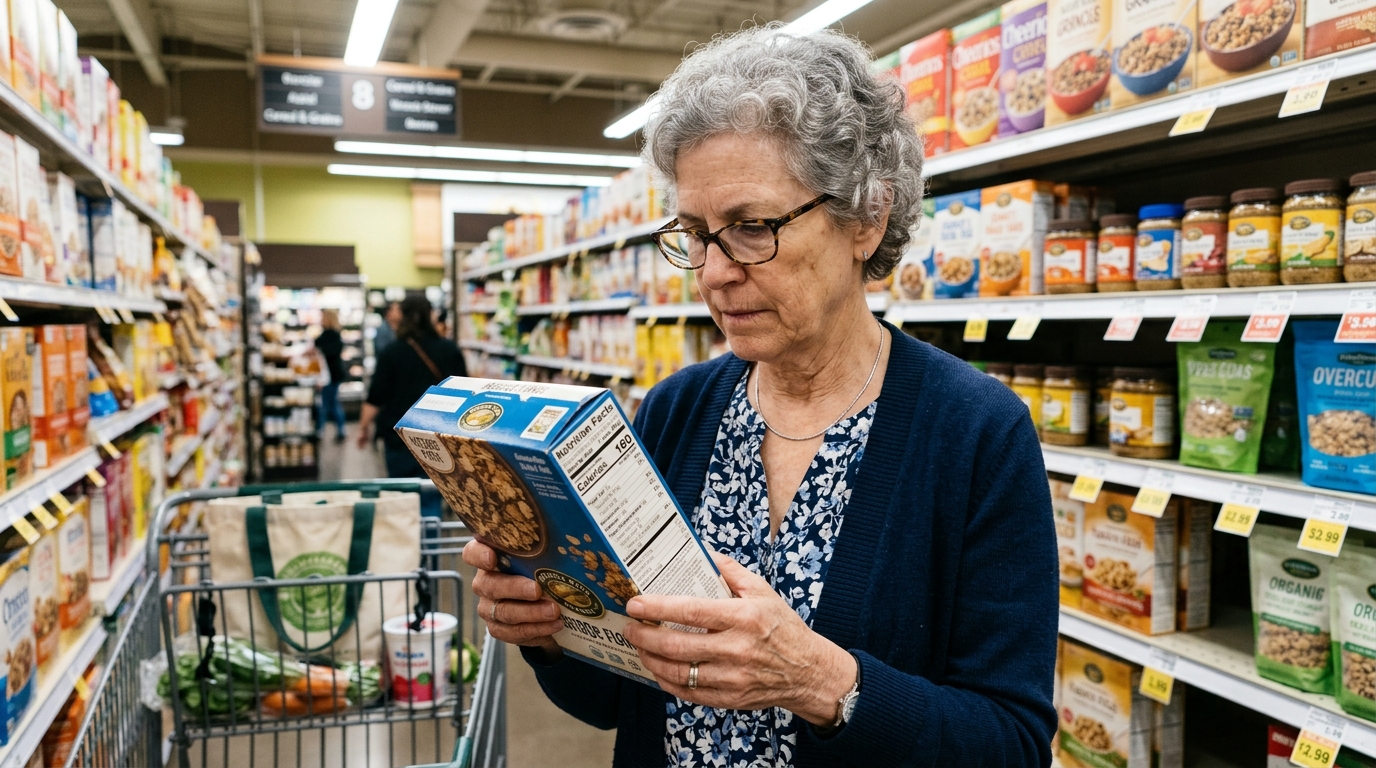
As we gracefully navigate our 60s and beyond, maintaining a healthy lifestyle becomes even more crucial. And one of the most powerful tools we have at our disposal is often overlooked: the nutrition label. But let's be honest, those labels can be confusing! This guide will cut through the clutter and help you understand what *really* matters on a nutrition label, empowering you to make informed food choices and prioritize your well-being.
Why Nutrition Labels Matter More After 60
Our bodies change as we age. Metabolism slows down, nutrient absorption can become less efficient, and the risk of certain health conditions increases. According to the National Council on Aging (NCOA), proper nutrition can help manage chronic diseases, boost energy levels, and maintain cognitive function. Understanding nutrition labels allows you to:
- Manage Existing Conditions: If you have diabetes, heart disease, or high blood pressure, labels help you control your intake of sugar, sodium, and unhealthy fats.
- Prevent Future Health Issues: Making informed choices can reduce your risk of developing age-related conditions like osteoporosis or certain cancers.
- Ensure Adequate Nutrient Intake: As we age, we need more of certain nutrients like calcium, vitamin D, and protein. Labels help you identify foods rich in these essential elements.
Decoding the Nutrition Label: Key Sections to Focus On
The Nutrition Facts label has several components, but some are more important than others for seniors. Here's a breakdown:
Serving Size
This is arguably the *most* important part. All the nutritional information listed on the label is based on this serving size. Pay close attention! Are you actually eating one serving, or are you consuming two or three times that amount? A small bag of chips might seem like a single serving, but the label may indicate it contains two or more. A study by the NIH found that people often underestimate the number of calories they consume, in part because they misinterpret serving sizes.
Calories
Calories provide a measure of how much energy you get from a serving of the food. While calorie needs vary based on activity level and individual metabolism, it's important to be mindful of your daily intake. The Dietary Guidelines for Americans recommends that adults over 60 generally need fewer calories than younger adults. Talk to your doctor or a registered dietitian to determine your individual calorie needs.
Fats
Not all fats are created equal. Focus on limiting saturated and trans fats, which can raise your cholesterol levels and increase your risk of heart disease. According to the American Heart Association, limiting saturated fat intake to less than 6% of your daily calories is beneficial for heart health. Look for foods with higher amounts of unsaturated fats (monounsaturated and polyunsaturated), which can be beneficial.
Sodium
High sodium intake can contribute to high blood pressure, a common concern for older adults. The American Heart Association recommends limiting sodium intake to no more than 2,300 milligrams per day, and ideally, no more than 1,500 mg for most adults, especially those with high blood pressure. Pay close attention to sodium levels in processed foods, canned goods, and sauces.
Carbohydrates
Carbohydrates are your body's primary source of energy, but it's important to choose complex carbohydrates over simple sugars. Look for foods with higher amounts of fiber, which helps regulate blood sugar levels, promotes digestive health, and can help you feel fuller for longer. Limit your intake of added sugars, which provide empty calories and can contribute to weight gain and other health problems. The Cleveland Clinic recommends that women limit added sugars to 25 grams per day and men to 36 grams per day.
Protein
Protein is essential for maintaining muscle mass, which tends to decline with age. Aim to include protein in every meal. Look for foods with a good source of protein, such as lean meats, poultry, fish, beans, lentils, and nuts. The recommended dietary allowance (RDA) for protein is 0.8 grams per kilogram of body weight, but some experts suggest that older adults may benefit from slightly higher intakes.
Vitamins and Minerals
Pay attention to the vitamins and minerals listed on the label, especially calcium, vitamin D, potassium, and iron. These nutrients are particularly important for bone health, immune function, and overall well-being. Many seniors are deficient in Vitamin D, so fortified foods like milk and cereals can be beneficial. Consult with your doctor to determine if you need to take any supplements.
Beyond the Basics: Reading Between the Lines
The nutrition label provides valuable information, but it's not the whole story. Here are some additional tips to consider:
- Ingredient List: The ingredients are listed in descending order by weight. This means the first ingredient is the most abundant in the product. Look for foods with whole, unprocessed ingredients listed first.
- Health Claims: Be wary of exaggerated health claims. Terms like "low-fat" or "heart-healthy" don't always mean a food is healthy. Always check the nutrition label to see the full picture.
- Compare Products: Use nutrition labels to compare similar products and choose the one that best aligns with your health goals.
- Focus on Whole Foods: The best way to ensure you're getting adequate nutrition is to focus on eating whole, unprocessed foods like fruits, vegetables, lean proteins, and whole grains. These foods often don't even *need* a nutrition label!
Practical Tips for Today
- Start Small: Don't try to overhaul your diet overnight. Begin by focusing on one or two key areas, like reducing your sodium intake or increasing your fiber intake.
- Read Labels Before You Shop: Take the time to read nutrition labels *before* you put items in your cart. This will help you make more informed choices.
- Keep a Food Diary: Tracking your food intake can help you identify areas where you can make improvements.
- Cook at Home More Often: Preparing your own meals allows you to control the ingredients and portion sizes.
- Consult a Professional: If you have specific dietary needs or concerns, consult with a registered dietitian or your doctor for personalized guidance.
Key Takeaways
- Understanding nutrition labels is crucial for maintaining good health after 60.
- Pay close attention to serving sizes, calories, fats, sodium, carbohydrates, protein, and vitamins/minerals.
- Focus on eating whole, unprocessed foods whenever possible.
- Don't be afraid to compare products and read ingredient lists carefully.
- Small, sustainable changes can make a big difference in your overall health.
By taking the time to understand and utilize nutrition labels, you can empower yourself to make informed food choices and prioritize your health and well-being as you age. Bon appétit to a healthier, happier you!
Ready to take the next step in your health journey? Explore our other articles on SeniorVitalityHub.blog for more tips and resources!

Comments