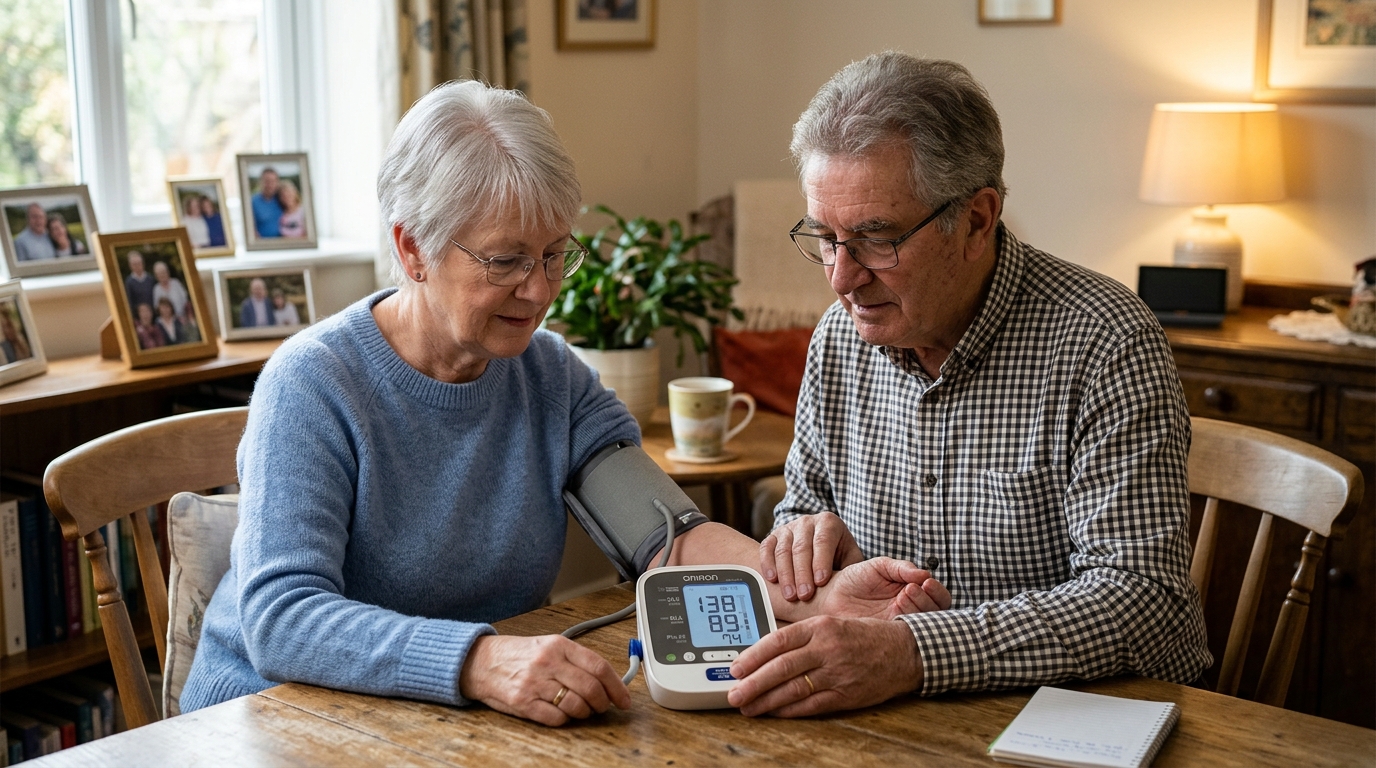
Understanding your blood pressure numbers is a crucial step in maintaining good heart health, especially as we age. It’s more than just a routine check-up; it’s about gaining valuable insights into your cardiovascular well-being. This article will break down what those numbers mean and offer practical advice on how to manage your blood pressure effectively.
Understanding Blood Pressure Basics
Blood pressure is the force of your blood pushing against the walls of your arteries. It’s recorded as two numbers: systolic (the top number) and diastolic (the bottom number). Systolic pressure measures the pressure in your arteries when your heart beats. Diastolic pressure measures the pressure in your arteries when your heart rests between beats.
What the Numbers Mean
The American Heart Association provides a clear classification of blood pressure categories:
- Normal: Less than 120/80 mm Hg
- Elevated: Systolic between 120-129 and diastolic less than 80
- High Blood Pressure (Hypertension) Stage 1: Systolic between 130-139 or diastolic between 80-89
- High Blood Pressure (Hypertension) Stage 2: Systolic at least 140 or diastolic at least 90
- Hypertensive Crisis: Systolic over 180 and/or diastolic over 120 (requires immediate medical attention)
It's important to remember that a single high reading doesn't necessarily mean you have hypertension. Blood pressure can fluctuate throughout the day due to various factors such as stress, activity, and even the time of day. However, consistently high readings warrant attention and discussion with your doctor.
Factors Affecting Blood Pressure
Many factors can influence your blood pressure. Understanding these can help you take proactive steps to manage it.
Age
Blood pressure tends to increase with age. According to the National Institute on Aging, arteries become stiffer and less flexible as we get older, which can lead to higher blood pressure readings. This is a natural part of aging, but it doesn't mean that high blood pressure is inevitable. Lifestyle modifications and medical management can help maintain healthy blood pressure levels.
Lifestyle
Your lifestyle choices play a significant role in your blood pressure. Diet, exercise, stress levels, and alcohol consumption all have an impact. A diet high in sodium and saturated fats can raise blood pressure, while regular physical activity and stress-reduction techniques can help lower it. According to Harvard Medical School, even small changes in your lifestyle can make a big difference in your blood pressure numbers.
Medical Conditions
Certain medical conditions, such as diabetes, kidney disease, and sleep apnea, can also affect blood pressure. If you have any of these conditions, it’s essential to work closely with your doctor to manage both the underlying condition and your blood pressure.
Medications
Some medications, including over-the-counter drugs like decongestants and certain pain relievers, can raise blood pressure. Be sure to inform your doctor about all the medications you are taking, including supplements and herbal remedies.
How to Measure Your Blood Pressure Accurately at Home
Home blood pressure monitoring can provide valuable information to your doctor and help you track your progress in managing your blood pressure. However, it’s crucial to do it correctly to ensure accurate readings.
Choosing the Right Monitor
Select an automatic, cuff-style monitor that fits your arm properly. The cuff size is important; too small a cuff can give falsely high readings, while too large a cuff can give falsely low readings. Most pharmacies can help you determine the correct cuff size.
Preparing for the Measurement
Avoid caffeine, alcohol, and smoking for at least 30 minutes before taking your blood pressure. Sit quietly for 5 minutes before the measurement, with your back supported and your feet flat on the floor. Make sure your arm is supported at heart level.
Taking the Measurement
Follow the instructions that come with your monitor. Typically, you’ll place the cuff on your upper arm, press the start button, and wait for the reading. Take two or three readings, 1 minute apart, and record the results.
When to Take Measurements
The Cleveland Clinic recommends taking your blood pressure at the same time each day, such as in the morning and evening. This helps you track trends and identify any patterns. Share your readings with your doctor regularly.
Lifestyle Changes to Lower Blood Pressure
Making lifestyle changes can significantly impact your blood pressure and overall heart health.
Dietary Approaches to Stop Hypertension (DASH) Diet
The DASH diet is specifically designed to lower blood pressure. It emphasizes fruits, vegetables, whole grains, and low-fat dairy products. It also limits saturated and total fat, cholesterol, and sodium. A study published in the New England Journal of Medicine showed that the DASH diet can lower blood pressure as effectively as some medications.
Reduce Sodium Intake
Most Americans consume far more sodium than they need. Aim to limit your sodium intake to less than 2,300 milligrams per day, and ideally less than 1,500 mg if you have high blood pressure. Read food labels carefully and avoid processed foods, which are often high in sodium.
Regular Physical Activity
Aim for at least 30 minutes of moderate-intensity exercise most days of the week. This could include brisk walking, swimming, cycling, or dancing. Exercise helps strengthen your heart and improve blood circulation.
Maintain a Healthy Weight
Being overweight or obese increases your risk of high blood pressure. Losing even a small amount of weight can make a big difference. Work with your doctor or a registered dietitian to develop a healthy eating and exercise plan.
Manage Stress
Chronic stress can contribute to high blood pressure. Find healthy ways to manage stress, such as meditation, yoga, deep breathing exercises, or spending time in nature.
When to See a Doctor
It’s important to see your doctor regularly for blood pressure checks, especially if you have a family history of hypertension or other risk factors. Contact your doctor immediately if you experience a sudden, severe headache, shortness of breath, chest pain, vision changes, or difficulty speaking. These could be signs of a hypertensive crisis.
Key Takeaways
- Understanding your blood pressure numbers is crucial for maintaining heart health.
- Lifestyle changes, such as diet and exercise, can significantly impact your blood pressure.
- Home blood pressure monitoring can provide valuable information to your doctor.
- Regular check-ups with your doctor are essential for managing blood pressure effectively.
- Don't hesitate to seek medical attention if you experience symptoms of a hypertensive crisis.
Taking control of your blood pressure is an investment in your long-term health and well-being. By understanding your numbers and making healthy lifestyle choices, you can reduce your risk of heart disease and live a longer, healthier life.
Ready to learn more about heart health? Explore our other articles on SeniorVitalityHub.blog for more tips and advice on staying healthy and active as you age!

Comments