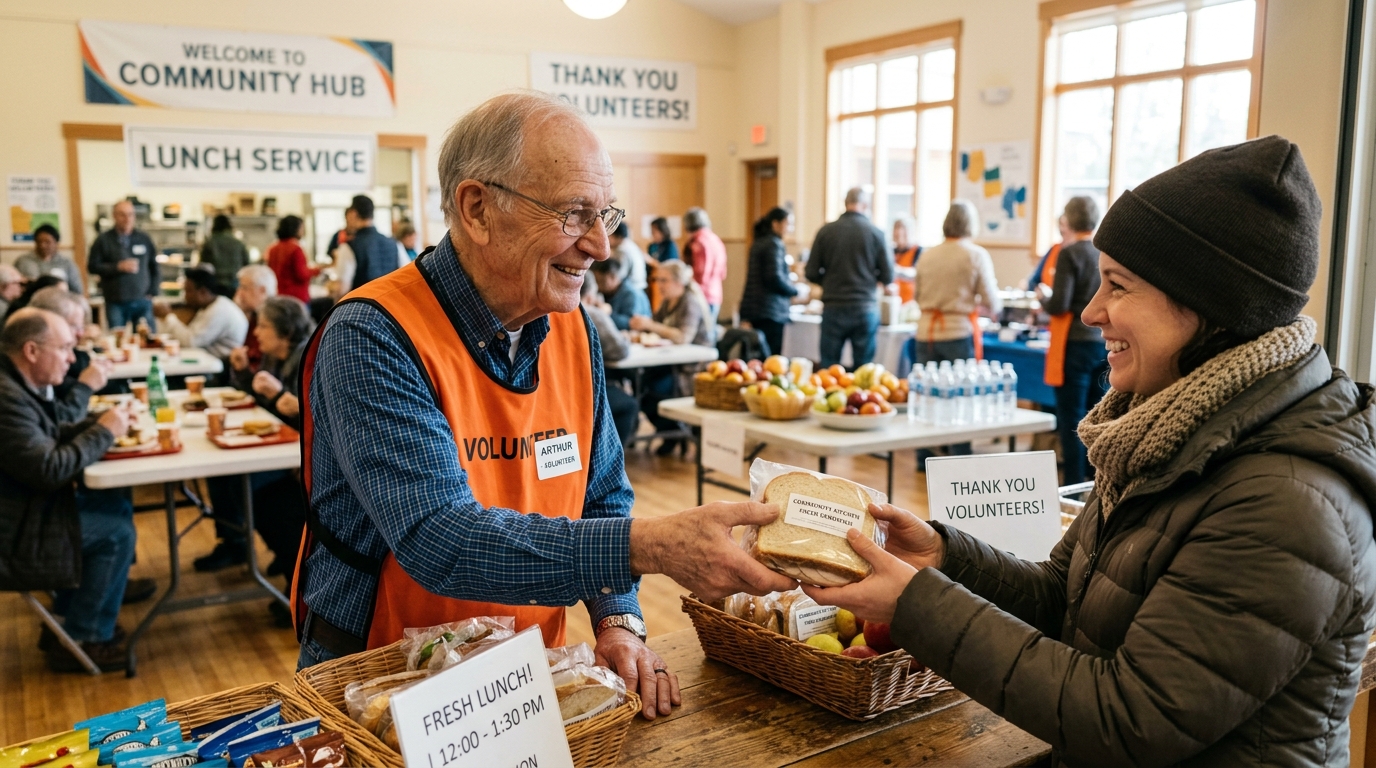
As we navigate the golden years, maintaining good mental health becomes increasingly important. While many focus on physical well-being, our minds need just as much attention. One powerful and often overlooked way to boost your mental health is through volunteering. This article explores the many benefits of volunteering for seniors and provides practical tips on how to get involved.
The Power of Giving Back: Volunteering and Mental Health
Volunteering offers a unique opportunity to connect with others, contribute to your community, and find a renewed sense of purpose. It's more than just filling time; it's an investment in your mental and emotional well-being.
Combating Social Isolation
Social isolation is a significant concern for seniors, often leading to feelings of loneliness and depression. Volunteering provides regular social interaction, creating opportunities to build new friendships and strengthen existing bonds. A study by AARP found that volunteering is strongly correlated with increased social connection and reduced feelings of isolation in older adults.
Boosting Self-Esteem and Confidence
Contributing your skills and time to a cause you care about can significantly boost your self-esteem. Knowing that you are making a difference, no matter how small, can provide a sense of accomplishment and purpose. According to the Mayo Clinic, volunteering can help you gain a new sense of meaning and direction in your life, which directly impacts self-worth.
Reducing Stress and Anxiety
While it may seem counterintuitive, volunteering can actually reduce stress and anxiety. Focusing on helping others shifts your attention away from your own worries and concerns. Harvard Medical School research shows that engaging in acts of kindness releases endorphins, which have mood-boosting and stress-reducing effects.
Providing a Sense of Purpose and Meaning
Retirement can sometimes lead to a feeling of loss of purpose, especially if your identity was closely tied to your career. Volunteering can fill this void by providing a new sense of meaning and direction. The National Council on Aging (NCOA) emphasizes the importance of finding meaningful activities in retirement to maintain mental and emotional well-being, and volunteering is an excellent way to achieve this.
Promoting Cognitive Function
Staying mentally active is crucial for maintaining cognitive function as we age. Volunteering often involves learning new skills, problem-solving, and engaging in mentally stimulating activities. A 2022 study published in JAMA Internal Medicine found that older adults who volunteered regularly experienced slower rates of cognitive decline compared to those who did not.
Finding the Right Volunteer Opportunity
The key to enjoying and benefiting from volunteering is to find an opportunity that aligns with your interests, skills, and abilities. Here are some tips to help you find the perfect fit:
Identify Your Passions
What causes are you passionate about? Do you love animals, children, the environment, or helping those in need? Choosing a cause that resonates with you will make volunteering more enjoyable and fulfilling.
Assess Your Skills and Abilities
What skills do you have to offer? Are you a good listener, a skilled organizer, a talented writer, or a whiz with computers? Consider how your skills can be used to benefit a non-profit organization.
Consider Your Time Commitment
How much time are you willing to dedicate to volunteering each week or month? Be realistic about your availability and choose an opportunity that fits your schedule. Even a few hours a week can make a significant difference.
Explore Local Opportunities
Research local non-profit organizations in your area. Many organizations are actively seeking volunteers with a wide range of skills and interests. Check out websites like VolunteerMatch.org or Idealist.org to find opportunities near you.
Talk to Friends and Family
Ask your friends and family members if they volunteer and if they know of any organizations that are seeking help. Personal recommendations can be a great way to find rewarding volunteer experiences.
Practical Tips for Getting Started Today
Ready to start volunteering? Here are some actionable steps you can take today:
- Brainstorm your interests and skills: Make a list of the things you enjoy doing and the skills you possess.
- Research local organizations: Use online resources to find non-profits in your area that align with your interests.
- Contact an organization: Reach out to an organization that interests you and inquire about volunteer opportunities.
- Attend an orientation or training session: Many organizations offer training sessions to prepare volunteers for their roles.
- Start small: Begin with a small time commitment and gradually increase your involvement as you become more comfortable.
Overcoming Common Concerns
Some seniors may hesitate to volunteer due to concerns about their health, transportation, or lack of experience. Here are some tips for overcoming these challenges:
Health Concerns
Choose volunteer opportunities that are within your physical capabilities. Many organizations offer sedentary or low-impact roles. Be sure to communicate any health concerns to the organization so they can make appropriate accommodations.
Transportation
If transportation is a barrier, look for volunteer opportunities that are located near your home or that offer transportation assistance. Some organizations may even allow you to volunteer remotely from the comfort of your own home.
Lack of Experience
Don't let a lack of experience deter you from volunteering. Many organizations provide training and support to volunteers. Focus on your willingness to learn and your enthusiasm for helping others.
Key Takeaways
- Volunteering can significantly improve mental health in seniors by combating social isolation, boosting self-esteem, and reducing stress.
- Finding a volunteer opportunity that aligns with your interests and skills is crucial for long-term engagement and satisfaction.
- Even a small time commitment can make a significant difference in your own life and the lives of others.
- Overcoming common concerns such as health, transportation, and lack of experience is possible with careful planning and communication.
- Volunteering provides a sense of purpose and meaning, promoting cognitive function and overall well-being.
Volunteering is a powerful tool for promoting mental health and well-being in seniors. By giving back to your community, you can improve your own life and make a positive impact on the lives of others. So, take the first step today and discover the many rewards of volunteering!
Ready to explore more ways to enhance your vitality? Check out our other articles on SeniorVitalityHub.blog for expert advice on healthy aging, mental wellness, and active living!

Comments