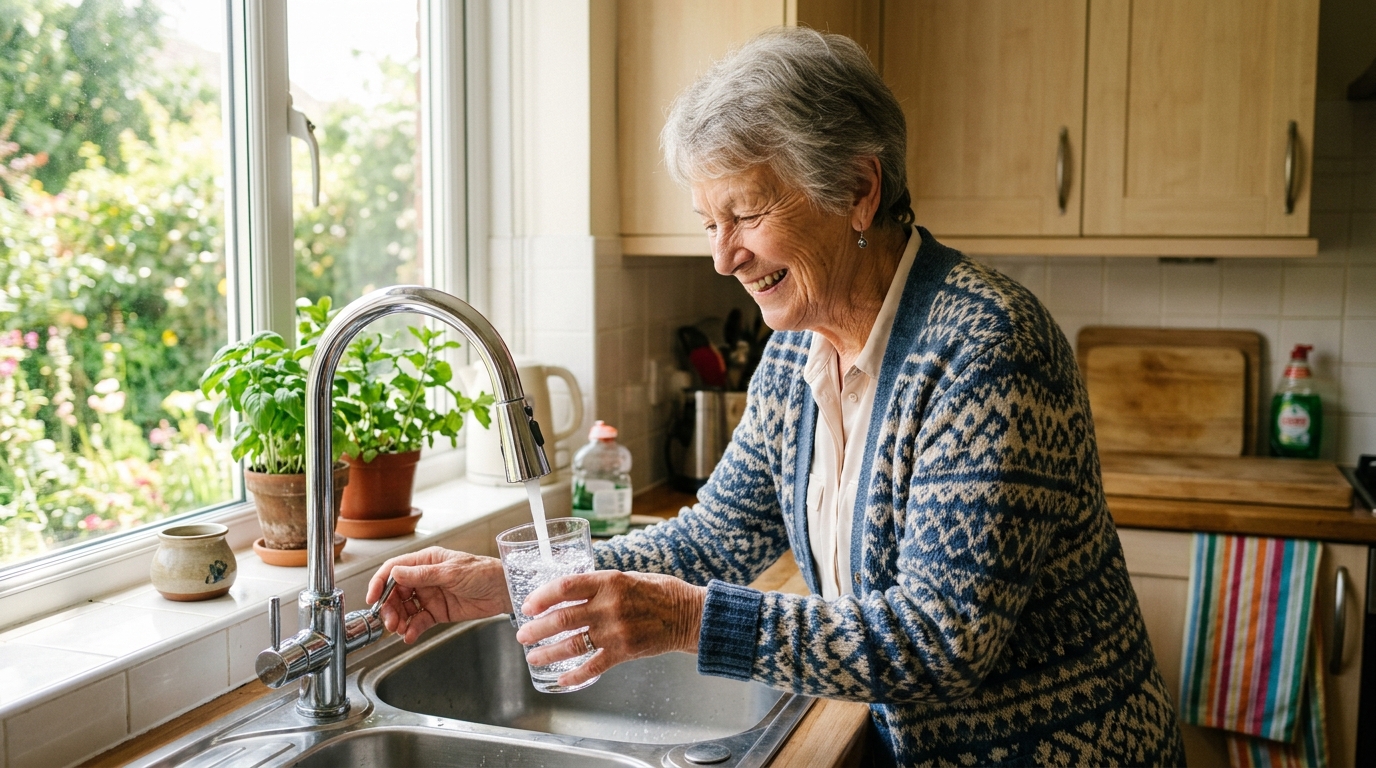
As we gracefully age, our bodies undergo numerous changes. One subtle yet significant shift is a diminished sense of thirst. This can lead to chronic dehydration, which poses serious health risks for seniors. At SeniorVitalityHub.blog, we're dedicated to providing you with practical, science-backed information to navigate these changes and maintain optimal health. Let's explore why seniors often experience a reduced thirst sensation and, more importantly, what you can do about it.
The Mystery of Diminished Thirst
Why do seniors often feel less thirsty than younger adults? The answer lies in a combination of physiological and lifestyle factors.
Physiological Changes
Our bodies are finely tuned machines, and thirst is a crucial mechanism for maintaining fluid balance. However, as we age, this mechanism becomes less sensitive. Several age-related changes contribute to this:
- Reduced Kidney Function: The kidneys play a vital role in regulating fluid levels. With age, kidney function naturally declines, making it harder for the body to conserve water. According to the National Kidney Foundation, kidney function decreases with age, impacting fluid balance regulation.
- Decreased Antidiuretic Hormone (ADH): ADH, also known as vasopressin, helps the kidneys retain water. Its production can decline with age, leading to increased water loss through urine.
- Changes in Brain Function: The hypothalamus, a region in the brain responsible for regulating thirst, becomes less sensitive to signals of dehydration. A study published by the NIH showed that the elderly have a decreased thirst sensation and fluid intake compared to younger individuals.
Lifestyle Factors
Beyond physiological changes, certain lifestyle factors can exacerbate dehydration risk in seniors:
- Medications: Many medications commonly prescribed to seniors, such as diuretics (water pills), laxatives, and certain blood pressure medications, can increase fluid loss. Always discuss potential side effects with your doctor or pharmacist.
- Reduced Mobility: Seniors with mobility issues may find it difficult to get a drink when they feel thirsty, leading to a pattern of dehydration.
- Cognitive Impairment: Conditions like dementia or Alzheimer's disease can impair a person's ability to recognize and respond to thirst cues.
- Fear of Incontinence: Some seniors may consciously restrict fluid intake to avoid frequent trips to the bathroom, especially at night.
The Dangers of Dehydration
Dehydration can have significant consequences for seniors' health and well-being. It's not just about feeling thirsty; chronic dehydration can lead to a cascade of problems:
- Increased Risk of Falls: Dehydration can cause dizziness and lightheadedness, increasing the risk of falls and fractures.
- Cognitive Impairment: Even mild dehydration can impair cognitive function, affecting memory, attention, and decision-making.
- Constipation: Adequate hydration is essential for healthy bowel function. Dehydration can lead to constipation and other digestive issues.
- Urinary Tract Infections (UTIs): Dehydration increases the risk of UTIs, which are common and potentially serious infections in seniors.
- Kidney Problems: Chronic dehydration can strain the kidneys and increase the risk of kidney stones and other kidney problems. The Cleveland Clinic emphasizes the importance of hydration for optimal kidney function.
- Heatstroke and Heat Exhaustion: Seniors are more vulnerable to heat-related illnesses, and dehydration significantly increases the risk.
Staying Hydrated: Practical Tips for Seniors
The good news is that preventing dehydration is often simple and achievable. Here are some practical tips to help seniors stay adequately hydrated:
- Drink Regularly, Even Without Thirst: Don't wait until you feel thirsty to drink. Make it a habit to sip water throughout the day. Keep a water bottle nearby and take regular sips.
- Set Reminders: Use a timer or a smartphone app to remind yourself to drink water at regular intervals.
- Make Water More Appealing: If you find plain water boring, try adding slices of lemon, lime, cucumber, or berries to infuse it with flavor.
- Eat Hydrating Foods: Many fruits and vegetables have high water content. Include foods like watermelon, cucumbers, strawberries, and spinach in your diet.
- Choose Beverages Wisely: While water is the best choice, other hydrating options include herbal teas, diluted fruit juices, and milk. Limit sugary drinks and caffeine, which can have a diuretic effect.
- Monitor Urine Color: Pale yellow urine is a good sign of adequate hydration. Dark yellow or amber urine indicates dehydration.
- Be Mindful of Medications: If you're taking medications that increase fluid loss, talk to your doctor about adjusting your fluid intake accordingly.
- Hydrate Before, During, and After Exercise: Even light activity can lead to fluid loss. Drink water before, during, and after any physical activity.
- Offer Fluids Frequently: If you're caring for a senior with cognitive impairment, offer them fluids frequently throughout the day.
- Consider a Filtered Water Pitcher: If taste is an issue, a filtered water pitcher can improve the palatability of tap water.
Key Takeaways
- Seniors often experience a diminished sense of thirst due to age-related physiological changes and lifestyle factors.
- Dehydration can have serious health consequences for seniors, including increased risk of falls, cognitive impairment, and kidney problems.
- It's crucial for seniors to drink regularly throughout the day, even when they don't feel thirsty.
- Eating hydrating foods, choosing beverages wisely, and monitoring urine color are all helpful strategies for staying hydrated.
- If you are concerned about your hydration, consult with your healthcare provider.
Staying hydrated is a simple yet powerful way to promote overall health and well-being as you age. By understanding the reasons behind diminished thirst and implementing practical strategies for staying hydrated, you can protect your health and enjoy a more vibrant and active life.
Want to learn more about maintaining your vitality as a senior? Check out our other articles on Nutrition & Diet for more tips and advice!

Comments