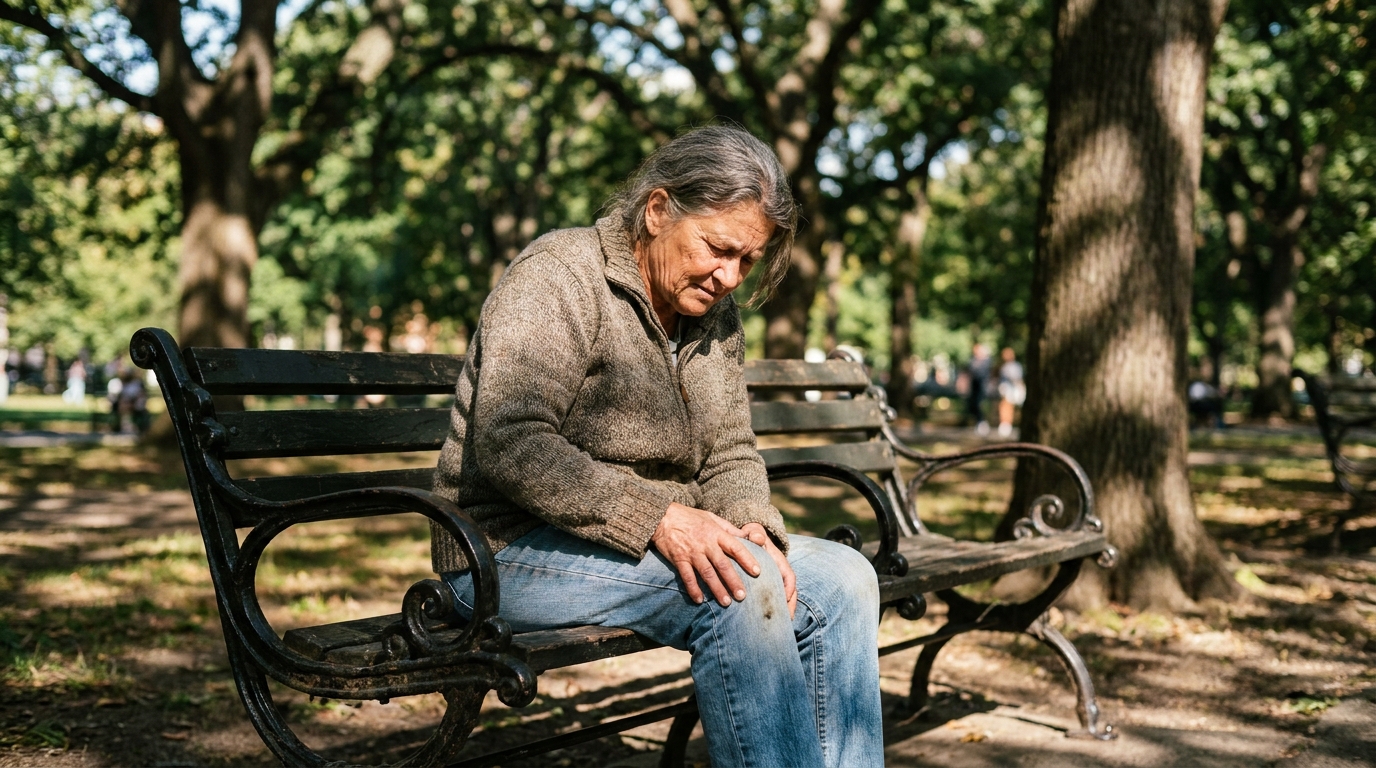
If you are over 60, you know that knee pain can feel like a silent thief, gradually stealing your ability to take that morning walk, play with grandchildren, or even navigate your own home comfortably. It is a common frustration, but it is not an inevitable part of aging that you must simply endure. In fact, medical professionals increasingly agree that movement is often the best medicine for aching joints.
Understanding Why Your Knees Hurt
As we age, the cartilage that cushions the ends of our bones can begin to wear down, leading to osteoarthritis. However, the pain often stems from more than just "wear and tear." Weakness in the muscles surrounding the knee—specifically the quadriceps and hamstrings—means your joints have to absorb more force with every step. When these muscles are strong, they act as shock absorbers, taking the pressure off your knee joint.
Key Takeaways
- Low-impact movement is essential for joint lubrication and pain reduction.
- Strengthening the quadriceps and glutes is the most effective way to offload knee pressure.
- Consistency matters more than intensity; aim for shorter, daily sessions rather than one grueling workout.
- Always consult your doctor before starting a new exercise regimen, especially if you have chronic health conditions.
The Best Exercises for Knee-Friendly Strength
According to the Mayo Clinic, low-impact exercise is a cornerstone of managing osteoarthritis pain because it strengthens the muscles around the joint without causing further irritation. Here are three exercises you can start today from the comfort of your living room.
1. The Seated Leg Extension
This exercise strengthens the quadriceps without putting your body weight on the knee. Sit in a sturdy chair with your back straight. Slowly straighten one leg out in front of you until it is parallel to the floor. Hold for three seconds, then slowly lower it. Perform 10 repetitions per leg. A 2022 study published in JAMA Internal Medicine found that targeted strength training significantly reduces pain perception in adults with knee osteoarthritis compared to those who remain sedentary.
2. The Glute Bridge
Your glutes are the foundation of your lower body stability. When they are weak, your knees take on extra stress. Lie on your back with your knees bent and feet flat on the floor. Tighten your stomach muscles and lift your hips toward the ceiling. Hold for two seconds, then lower. Harvard Medical School research suggests that strengthening the posterior chain—your glutes and hamstrings—is critical for improving balance and reducing knee strain in seniors.
3. Wall Slides (Mini-Squats)
Stand with your back against a wall and your feet shoulder-width apart, about a foot away from the wall. Slowly slide your back down the wall, bending your knees slightly—do not go lower than 45 degrees. Hold for five seconds, then slide back up. This builds muscle while the wall provides necessary support.
How to Exercise Without Making It Worse
The golden rule for exercising with knee pain is the "two-hour rule." If your knee pain is worse two hours after exercise than it was before you started, you likely did too much. According to the National Council on Aging (NCOA), movement should feel like a mild challenge, not a source of sharp, shooting pain. If you feel sharp pain, stop immediately and modify the movement.
The Power of Consistency
You do not need to head to a gym to see results. The Cleveland Clinic emphasizes that frequent, gentle movement—such as daily walking on flat surfaces or water aerobics—keeps the synovial fluid in your joints moving, which helps nourish the cartilage. By dedicating just 15 minutes a day to these strengthening exercises, you are investing in your long-term mobility.
Listen to Your Body
Remember, progress is rarely a straight line. Some days your knees will feel great; other days, they might feel stiff. On those stiffer days, prioritize gentle stretching and movement rather than heavy strengthening. Your goal is to stay active, not to win a marathon. By focusing on muscle support, you can reclaim your independence and keep your knees healthy for years to come.
Ready to build a stronger, more mobile body? Explore our other articles on mobility and strength training to learn more about keeping your joints healthy and your life active.


Comments