Lower Back Pain in Seniors: Evidence-Based Treatments
Lower back pain is a common complaint among seniors, affecting daily life and overall well-being. While it can be a challenging condition to manage, numerous evidence-based treatments can provide relief and improve quality of life. This article explores the causes of lower back pain in older adults and delves into effective strategies for managing it.
Understanding Lower Back Pain in Seniors
Lower back pain isn't just a single condition; it's a symptom with various underlying causes. As we age, several factors contribute to the increased prevalence of back pain.
Common Causes
- Osteoarthritis: This degenerative joint disease affects the cartilage in the spine, leading to pain and stiffness. According to the Arthritis Foundation, osteoarthritis is a leading cause of disability in older adults.
- Spinal Stenosis: A narrowing of the spinal canal can compress the spinal cord and nerves, causing pain, numbness, and weakness in the legs and back.
- Degenerative Disc Disease: The intervertebral discs, which act as cushions between the vertebrae, can break down over time, leading to pain and instability.
- Muscle Strains and Sprains: These injuries can occur due to sudden movements, heavy lifting, or poor posture.
- Osteoporosis and Compression Fractures: Weakening of the bones due to osteoporosis can lead to vertebral compression fractures, causing sudden and severe back pain. The National Osteoporosis Foundation highlights the increased risk of fractures in seniors.
Risk Factors
Several factors increase the risk of developing lower back pain as you age:
- Age: The natural aging process contributes to wear and tear on the spine.
- Obesity: Excess weight puts added stress on the spine.
- Sedentary Lifestyle: Lack of physical activity weakens back muscles.
- Smoking: Smoking reduces blood flow to the spine and can accelerate disc degeneration.
- Previous Back Injuries: A history of back injuries increases the likelihood of future problems.
Evidence-Based Treatments for Lower Back Pain
Fortunately, a range of effective treatments can help manage lower back pain in seniors. The best approach often involves a combination of therapies tailored to the individual's specific condition and needs.
Physical Therapy
Physical therapy plays a crucial role in managing lower back pain. A physical therapist can design an individualized exercise program to:
- Strengthen back and core muscles.
- Improve flexibility and range of motion.
- Correct posture.
- Teach proper lifting techniques.
A study published in the journal Pain found that physical therapy was effective in reducing pain and improving function in individuals with chronic lower back pain.
Medications
Various medications can help manage pain and inflammation:
- Over-the-counter pain relievers: Nonsteroidal anti-inflammatory drugs (NSAIDs) like ibuprofen and naproxen can reduce pain and inflammation. Acetaminophen (Tylenol) can also provide pain relief.
- Prescription pain relievers: In some cases, stronger pain relievers, such as opioids or tramadol, may be prescribed. However, these medications should be used with caution due to the risk of side effects and dependence.
- Muscle relaxants: These medications can help relieve muscle spasms.
- Corticosteroid injections: Injections of corticosteroids into the spine can reduce inflammation and pain.
Always consult with your doctor before taking any medication, especially if you have other medical conditions or are taking other medications. The FDA provides comprehensive information on medication safety.
Alternative Therapies
Several alternative therapies may provide relief from lower back pain:
- Acupuncture: This traditional Chinese medicine technique involves inserting thin needles into specific points on the body to stimulate healing.
- Chiropractic care: Chiropractors use spinal manipulation and other techniques to correct misalignments in the spine and improve function.
- Massage therapy: Massage can help relax muscles, reduce pain, and improve circulation.
- Yoga and Pilates: These practices can improve flexibility, strength, and balance, which can help reduce back pain. Harvard Medical School research suggests that yoga can be an effective treatment for chronic low back pain.
Lifestyle Modifications
Making certain lifestyle changes can also help manage lower back pain:
- Maintain a healthy weight: Losing weight can reduce stress on the spine.
- Practice good posture: Proper posture can help prevent back pain.
- Use proper lifting techniques: When lifting heavy objects, bend your knees and keep your back straight.
- Get regular exercise: Regular exercise can strengthen back muscles and improve overall fitness.
- Quit smoking: Smoking can worsen back pain.
When to See a Doctor
It's important to see a doctor if you experience any of the following:
- Severe or persistent back pain.
- Pain that radiates down your leg.
- Numbness or weakness in your legs or feet.
- Loss of bowel or bladder control.
- Fever or other signs of infection.
These symptoms may indicate a more serious underlying condition that requires medical attention. According to the National Institute of Neurological Disorders and Stroke (NINDS), prompt diagnosis and treatment are crucial for managing spinal conditions.
Key Takeaways
- Lower back pain is a common problem among seniors, often caused by osteoarthritis, spinal stenosis, or degenerative disc disease.
- Physical therapy, medications, and alternative therapies can effectively manage back pain.
- Lifestyle modifications, such as maintaining a healthy weight and practicing good posture, can also help.
- See a doctor if you experience severe pain, numbness, weakness, or loss of bowel or bladder control.
- A combination of treatments tailored to your individual needs is often the most effective approach.
Actionable Tips for Today
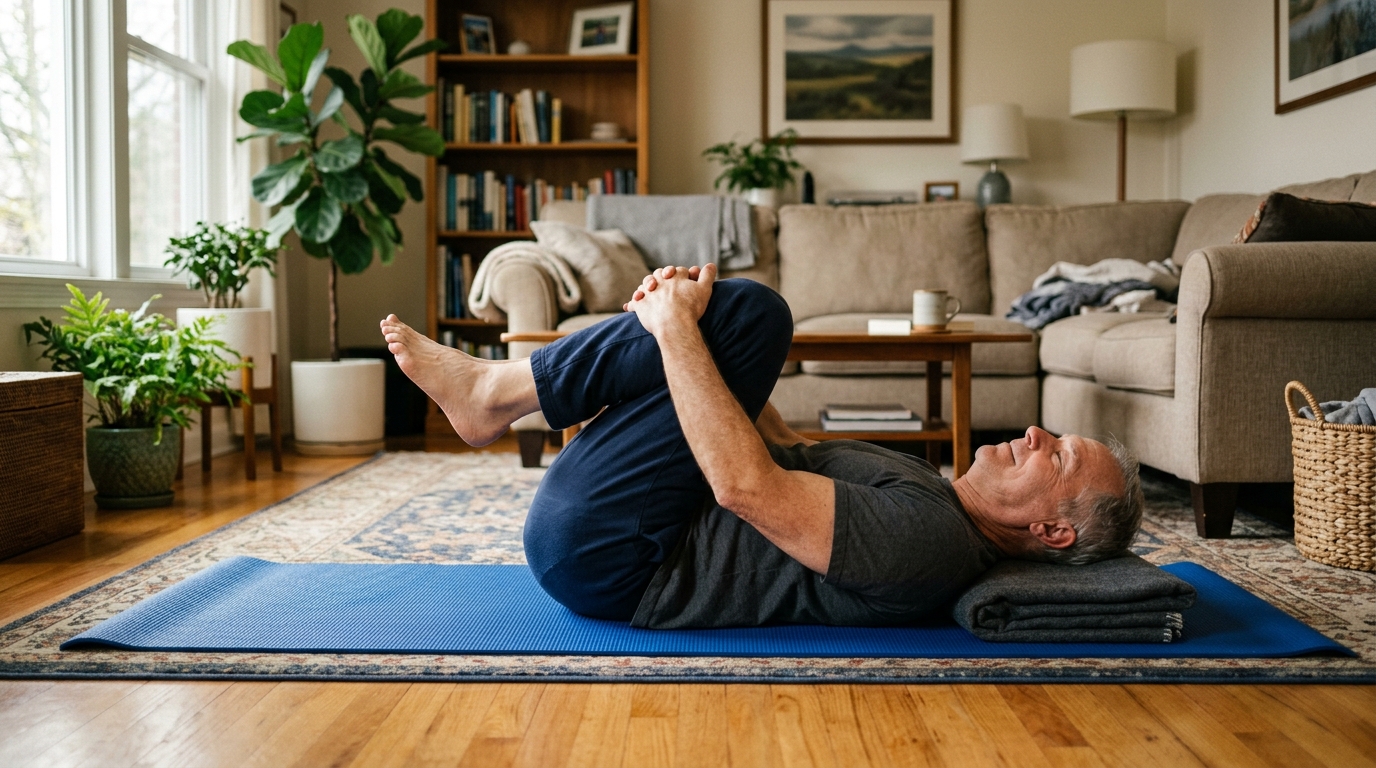
- Gentle Stretching: Start your day with gentle stretches like knee-to-chest or pelvic tilts to improve flexibility.
- Ergonomic Assessment: Evaluate your workstation or sitting area and make adjustments to improve your posture.
- Mindful Movement: Pay attention to your body mechanics throughout the day, especially when lifting or bending.
- Heat or Cold Therapy: Apply a warm compress or ice pack to your lower back for 15-20 minutes to relieve pain and inflammation.
Lower back pain doesn't have to control your life. With the right approach, you can manage your pain and enjoy an active, fulfilling life. Remember to consult with your doctor or physical therapist to develop a personalized treatment plan.
Want to learn more about managing joint pain and staying active? Check out our other articles on SeniorVitalityHub.blog!

Comments