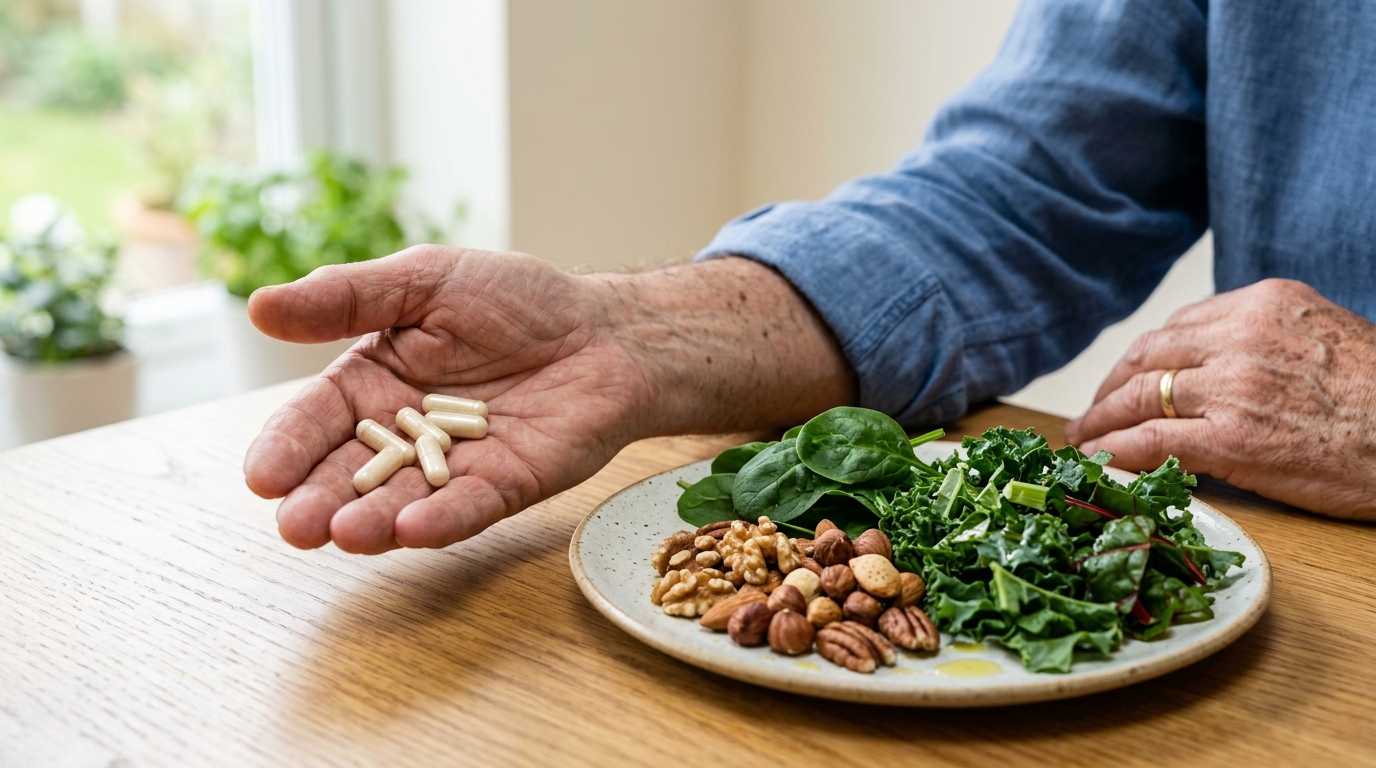
Are you feeling more tired than usual? Experiencing muscle cramps or twitches? Perhaps your blood pressure is creeping up? These could be signs that you're not getting enough of a vital mineral: magnesium. For seniors, magnesium deficiency is surprisingly common and can significantly impact overall health and well-being. Let's explore why magnesium is so important, how to recognize a deficiency, and what you can do to boost your levels.
Why Magnesium Matters for Seniors
Magnesium is involved in hundreds of biochemical reactions in the body. It's essential for maintaining healthy bones, regulating blood sugar, supporting nerve and muscle function, and keeping your heart rhythm steady. As we age, our bodies become less efficient at absorbing magnesium from food, and certain medications can further deplete our stores. This makes seniors particularly vulnerable to magnesium deficiency.
Key Roles of Magnesium
- Bone Health: Magnesium plays a crucial role in bone density and strength. Studies have linked low magnesium levels to an increased risk of osteoporosis, a condition that weakens bones and makes them more prone to fractures. According to the National Osteoporosis Foundation, adequate magnesium intake is essential for bone health throughout life.
- Heart Health: Magnesium helps regulate blood pressure and heart rhythm. Deficiency can contribute to high blood pressure and an increased risk of heart disease. Harvard Medical School research has shown a correlation between magnesium intake and reduced risk of cardiovascular events.
- Muscle and Nerve Function: Magnesium is vital for proper muscle contraction and nerve transmission. Deficiency can lead to muscle cramps, twitches, and even restless legs syndrome.
- Blood Sugar Control: Magnesium helps regulate blood sugar levels and insulin sensitivity. Low magnesium levels have been linked to an increased risk of type 2 diabetes. A study published in Diabetes Care found that magnesium supplementation improved insulin sensitivity in people with type 2 diabetes.
- Energy Production: Magnesium is involved in the production of ATP, the body's main energy source. Deficiency can lead to fatigue and low energy levels.
Are You Getting Enough Magnesium?
The recommended daily allowance (RDA) of magnesium for adults is around 400-420 mg for men and 310-320 mg for women. However, many seniors don't meet these recommendations through diet alone. Several factors contribute to this:
- Decreased Appetite: Seniors often experience a reduced appetite, making it harder to consume enough nutrient-rich foods.
- Medications: Certain medications, such as diuretics and proton pump inhibitors (PPIs), can interfere with magnesium absorption or increase its excretion.
- Underlying Health Conditions: Conditions like diabetes, kidney disease, and gastrointestinal disorders can also affect magnesium levels.
- Changes in Gut Health: As we age, our gut microbiome changes, potentially impacting nutrient absorption.
Signs of Magnesium Deficiency
Magnesium deficiency can manifest in various ways. Some common symptoms include:
- Muscle cramps and spasms
- Fatigue and weakness
- Irregular heartbeat
- High blood pressure
- Headaches
- Nausea and vomiting
- Loss of appetite
- Numbness or tingling in the extremities
If you're experiencing several of these symptoms, it's a good idea to talk to your doctor. A simple blood test can help determine if you have a magnesium deficiency.
Boosting Your Magnesium Levels: Practical Steps
Fortunately, there are several ways to increase your magnesium intake. Start with these practical tips:
Dietary Sources of Magnesium
Focus on incorporating magnesium-rich foods into your diet. Excellent sources include:
- Leafy Green Vegetables: Spinach, kale, and collard greens are packed with magnesium.
- Nuts and Seeds: Almonds, cashews, pumpkin seeds, and sunflower seeds are good sources.
- Whole Grains: Brown rice, quinoa, and oats provide magnesium and fiber.
- Legumes: Beans, lentils, and chickpeas are excellent sources of magnesium and protein.
- Dark Chocolate: A delicious treat that also provides a decent amount of magnesium.
- Avocados: A creamy and versatile fruit rich in magnesium and healthy fats.
Magnesium Supplements: A Helpful Option
If you're struggling to get enough magnesium through diet alone, consider taking a magnesium supplement. However, it's essential to choose the right type and dosage. According to the Mayo Clinic, magnesium citrate and magnesium glycinate are generally well-absorbed and less likely to cause digestive upset. Start with a low dose and gradually increase it as needed, under the guidance of your doctor. It's crucial to speak with your healthcare provider before starting any new supplement, especially if you have underlying health conditions or are taking medications.
Lifestyle Adjustments
- Manage Stress: Chronic stress can deplete magnesium levels. Practice relaxation techniques like deep breathing, meditation, or yoga to manage stress.
- Limit Alcohol Consumption: Excessive alcohol intake can interfere with magnesium absorption and increase its excretion.
- Stay Hydrated: Dehydration can also affect magnesium levels. Drink plenty of water throughout the day.
Key Takeaways
- Magnesium is essential for numerous bodily functions, including bone health, heart health, and muscle function.
- Seniors are particularly vulnerable to magnesium deficiency due to decreased absorption, medication use, and underlying health conditions.
- Symptoms of magnesium deficiency can include muscle cramps, fatigue, high blood pressure, and irregular heartbeat.
- Increase your magnesium intake by incorporating magnesium-rich foods into your diet and considering a magnesium supplement under the guidance of your doctor.
- Managing stress, limiting alcohol consumption, and staying hydrated can also help maintain healthy magnesium levels.
Prioritizing your magnesium intake is a simple yet powerful way to support your overall health and well-being as you age. By making informed choices about your diet, lifestyle, and supplement use, you can ensure you're getting enough of this vital mineral.
Ready to learn more about optimizing your health? Check out our other articles on SeniorVitalityHub.blog for more tips and insights!

Comments