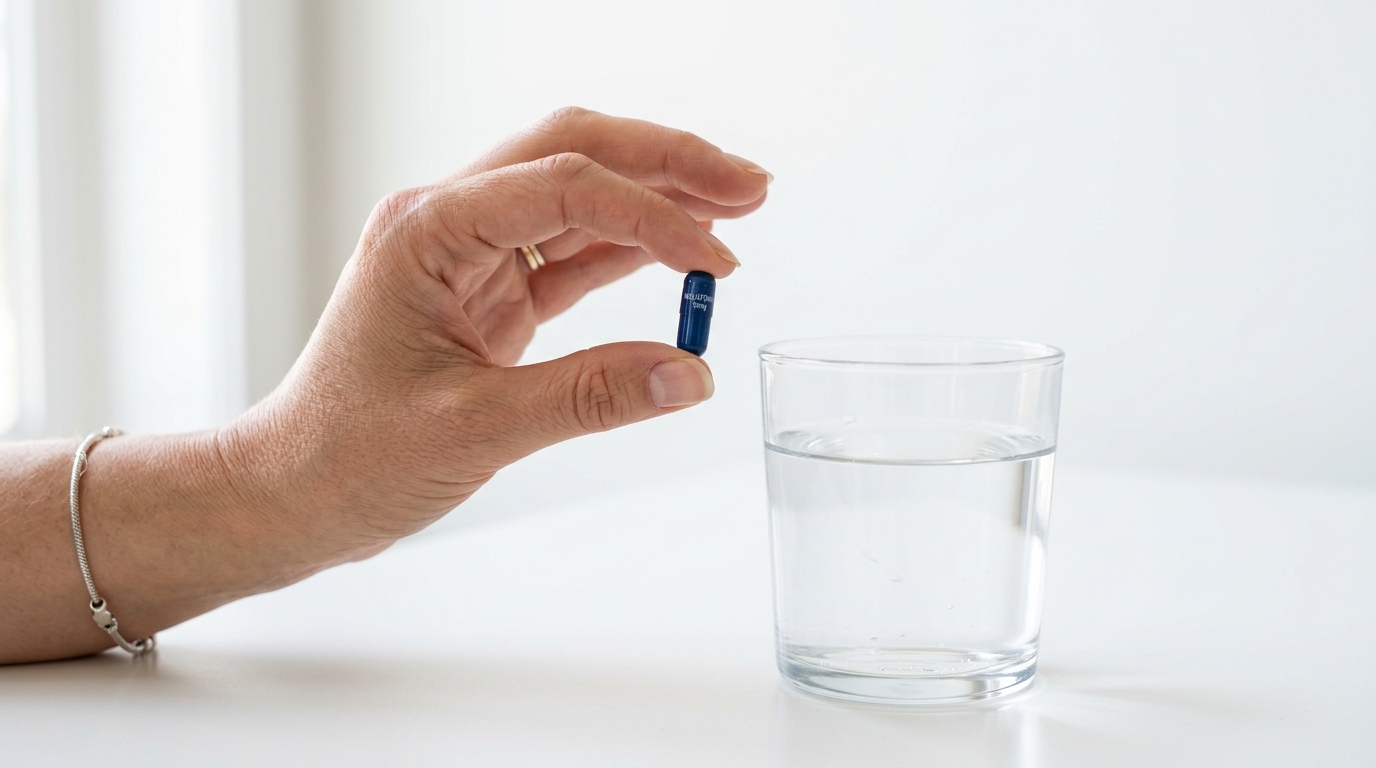
As we gracefully age, the rhythm of our sleep often changes. What was once a predictable nightly routine can become a struggle, leaving us feeling tired and less energetic. Many seniors turn to sleep aids, and melatonin is a popular choice. But is it truly safe and effective for older adults? Let's explore the science behind melatonin, its potential benefits and risks, and how to determine the right dosage.
What is Melatonin and How Does It Work?
Melatonin is a hormone naturally produced by the pineal gland in the brain. Its primary role is to regulate the sleep-wake cycle, also known as the circadian rhythm. Think of it as your body's internal clock. When it gets dark, your body produces more melatonin, signaling that it's time to sleep. Conversely, light exposure suppresses melatonin production, helping you wake up.
As we age, our bodies tend to produce less melatonin. This decline can contribute to sleep problems like insomnia, frequent awakenings, and difficulty falling asleep. That's why some seniors consider melatonin supplements.
The Benefits of Melatonin for Seniors
Melatonin supplements can offer several potential benefits for older adults struggling with sleep issues:
Improved Sleep Onset
One of the most common uses of melatonin is to help people fall asleep faster. Several studies suggest that melatonin can reduce the time it takes to drift off to sleep, particularly for individuals with delayed sleep phase syndrome or jet lag. A review by the National Institutes of Health (NIH) highlights its effectiveness in this area.
Enhanced Sleep Quality
While melatonin may not dramatically increase total sleep time, it can improve the overall quality of sleep. By regulating the circadian rhythm, melatonin can promote more restful and consolidated sleep, reducing nighttime awakenings.
Reduced Jet Lag Symptoms
Traveling across time zones can disrupt your natural sleep-wake cycle, leading to jet lag. Melatonin can help reset your internal clock and alleviate symptoms like fatigue, insomnia, and daytime sleepiness. The Mayo Clinic recommends melatonin for managing jet lag, especially when traveling eastward.
Potential Cognitive Benefits
Emerging research suggests that melatonin may have cognitive benefits, particularly in older adults. Some studies indicate that melatonin's antioxidant and anti-inflammatory properties could help protect against age-related cognitive decline. However, more research is needed in this area. A study published in the Journal of Pineal Research investigated the neuroprotective effects of melatonin.
Is Melatonin Safe for Seniors? Potential Risks and Side Effects
While generally considered safe for short-term use, melatonin is not without potential risks and side effects, especially for seniors:
Daytime Drowsiness
The most common side effect of melatonin is daytime drowsiness. Because melatonin promotes sleepiness, taking too much or taking it at the wrong time can leave you feeling groggy and sluggish during the day.
Drug Interactions
Melatonin can interact with several medications, including blood thinners, antidepressants, and blood pressure medications. It's crucial to consult with your doctor or pharmacist before taking melatonin, especially if you're on any prescription medications. Harvard Medical School advises caution when combining melatonin with certain medications.
Other Side Effects
Other potential side effects of melatonin include headaches, dizziness, nausea, and irritability. While these side effects are usually mild and temporary, they can be bothersome for some individuals.
Quality Control Concerns
The quality and purity of melatonin supplements can vary widely. Some products may contain higher or lower doses of melatonin than what's listed on the label. Independent testing by organizations like ConsumerLab.com has revealed inconsistencies in melatonin supplement quality. Look for products that have been third-party tested to ensure purity and potency.
Melatonin Dosage for Seniors: Finding the Right Amount
Determining the right melatonin dosage for seniors requires careful consideration. There is no one-size-fits-all approach. It's best to start with the lowest effective dose and gradually increase it if needed, under the guidance of your healthcare provider.
General Recommendations:
- Start Low: Begin with a very low dose, such as 0.5 mg or 1 mg, about 1-2 hours before bedtime.
- Observe and Adjust: Pay attention to how your body responds. If you don't notice any improvement in your sleep after a few nights, you can gradually increase the dose.
- Maximum Dosage: Most experts recommend not exceeding 3-5 mg of melatonin per day. Higher doses are not necessarily more effective and may increase the risk of side effects.
- Consult Your Doctor: It's essential to talk to your doctor before starting melatonin, especially if you have any underlying health conditions or are taking medications.
Tips for Using Melatonin Safely and Effectively
To maximize the benefits of melatonin and minimize potential risks, consider these tips:
- Timing is Key: Take melatonin 1-2 hours before your desired bedtime to allow it to take effect.
- Create a Sleep-Friendly Environment: Make sure your bedroom is dark, quiet, and cool. Use blackout curtains, earplugs, or a white noise machine if needed.
- Practice Good Sleep Hygiene: Establish a regular sleep schedule, avoid caffeine and alcohol before bed, and limit screen time in the evening.
- Consider Other Sleep Aids: Explore other natural sleep aids like chamomile tea, valerian root, or magnesium supplements.
- Monitor for Side Effects: Pay attention to any side effects you experience, such as daytime drowsiness or headaches. If side effects persist or worsen, discontinue use and consult your doctor.
Key Takeaways
- Melatonin can be a helpful sleep aid for seniors, but it's not a magic bullet.
- Start with a low dose (0.5-1 mg) and gradually increase it if needed, under medical supervision.
- Be aware of potential drug interactions and side effects.
- Prioritize good sleep hygiene practices for optimal results.
- Choose high-quality, third-party tested melatonin supplements.
Sleep is crucial for overall health and well-being, especially as we age. While melatonin can be a valuable tool, it's essential to use it safely and responsibly. By understanding the science behind melatonin and working closely with your healthcare provider, you can improve your sleep and enjoy a more restful and rejuvenating night's sleep.
Want to learn more about optimizing your health and vitality as a senior? Check out our other articles on SeniorVitalityHub.blog for more expert advice and practical tips!

Comments