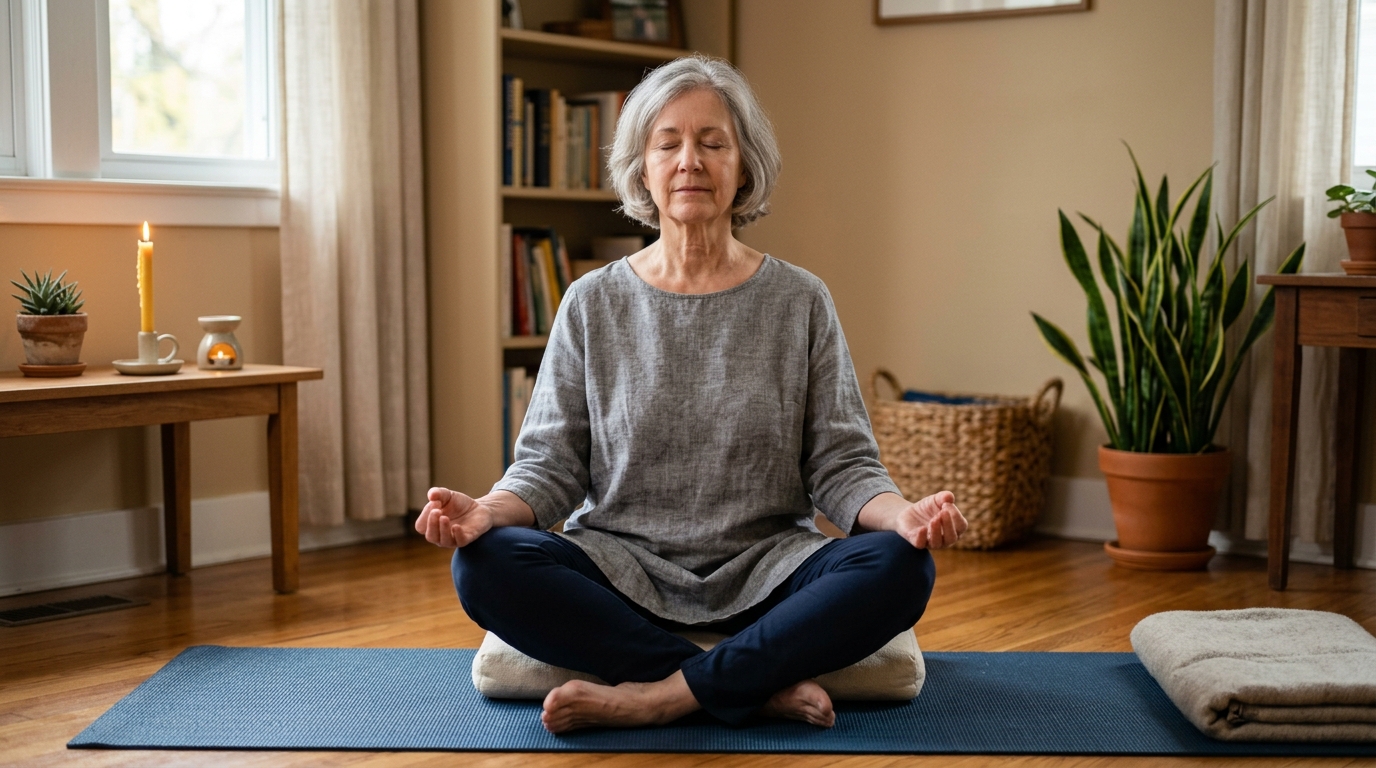
As we navigate the golden years, maintaining a sharp mind and a positive outlook becomes increasingly important. While physical activity often takes center stage, nurturing our mental well-being is equally crucial. One powerful tool gaining recognition is mindfulness meditation. This article will explore the science-backed benefits of mindfulness meditation for seniors and provide a practical guide to get you started.
What is Mindfulness Meditation?
Mindfulness meditation is a mental training practice that involves focusing on the present moment without judgment. It's about paying attention to your thoughts, feelings, and bodily sensations as they arise and pass, without getting carried away by them. It's not about emptying your mind, but rather about observing your thoughts with a sense of curiosity and acceptance.
How it Works
The core of mindfulness meditation lies in cultivating awareness. By consistently directing your attention to the present, you gradually develop the ability to detach from negative thought patterns and emotional reactivity. This practice strengthens your ability to respond to life's challenges with greater equanimity and resilience.
The Science-Backed Benefits for Seniors
Mindfulness meditation offers a wide range of benefits, particularly for seniors. Research has consistently demonstrated its positive impact on various aspects of well-being:
Reduced Stress and Anxiety
Stress and anxiety can significantly impact the quality of life, especially as we age. A study published in the Journal of the American Geriatrics Society found that mindfulness-based stress reduction (MBSR) significantly reduced anxiety symptoms in older adults (JAGS, 2014). Mindfulness helps regulate the body's stress response, promoting a sense of calm and relaxation.
Improved Cognitive Function
Maintaining cognitive function is a top priority for many seniors. Harvard Medical School research shows that regular mindfulness practice can improve attention, memory, and executive function. By strengthening neural pathways associated with focus and concentration, mindfulness meditation can help counteract age-related cognitive decline.
Enhanced Mood and Emotional Regulation
Mindfulness meditation can be a powerful tool for managing mood and emotional well-being. According to the Mayo Clinic, mindfulness can help individuals become more aware of their emotions and develop healthier coping mechanisms. This can be particularly beneficial for seniors dealing with feelings of sadness, loneliness, or grief.
Better Sleep Quality
Sleep disturbances are common among older adults. The National Sleep Foundation suggests that mindfulness meditation can improve sleep quality by reducing racing thoughts and promoting relaxation. A calm and focused mind is more conducive to restful sleep, leading to improved daytime functioning.
Pain Management
Chronic pain can be a debilitating condition that affects many seniors. A study by the National Institutes of Health (NIH) showed that mindfulness meditation can help individuals manage chronic pain by changing their perception of pain signals. Mindfulness allows individuals to observe pain without judgment, reducing its emotional impact and improving overall well-being.
Getting Started with Mindfulness Meditation
The beauty of mindfulness meditation is its simplicity and accessibility. You don't need any special equipment or prior experience to begin. Here's a step-by-step guide to get you started:
1. Find a Quiet Space
Choose a comfortable and quiet place where you can sit or lie down without being disturbed. It could be a cozy corner in your living room, a peaceful spot in your garden, or any space where you feel safe and relaxed.
2. Assume a Comfortable Posture
You can sit on a chair with your feet flat on the floor, cross-legged on a cushion, or lie down on your back. The key is to maintain a posture that allows you to feel relaxed yet alert. Keep your back straight but not stiff, and your shoulders relaxed.
3. Focus on Your Breath
Close your eyes gently or lower your gaze. Bring your attention to your breath as it enters and leaves your body. Notice the sensation of the air moving in and out of your nostrils, or the rise and fall of your abdomen. There is no need to change your breath in any way; simply observe it as it is.
4. Acknowledge and Release Thoughts
As you focus on your breath, thoughts will inevitably arise. This is perfectly normal. When you notice a thought, simply acknowledge it without judgment and gently redirect your attention back to your breath. Imagine your thoughts as clouds passing by in the sky, and let them float away without getting caught up in them.
5. Start Small
Begin with short meditation sessions of 5-10 minutes and gradually increase the duration as you become more comfortable. Consistency is more important than length. Aim to practice mindfulness meditation daily, even if it's just for a few minutes.
Tips for Success
- Be Patient: Mindfulness meditation is a skill that takes time and practice to develop. Don't get discouraged if your mind wanders frequently at first. Just keep gently bringing your attention back to your breath.
- Be Kind to Yourself: Avoid self-criticism or judgment. If you find yourself getting frustrated or impatient, simply acknowledge those feelings and gently redirect your attention back to your breath.
- Use Guided Meditations: Guided meditations can be a helpful tool for beginners. There are many free apps and online resources that offer guided meditations specifically designed for seniors.
- Join a Group: Consider joining a mindfulness meditation group or class. Practicing with others can provide support, motivation, and a sense of community.
Key Takeaways
- Mindfulness meditation is a powerful tool for promoting mental and emotional well-being in seniors.
- It can reduce stress and anxiety, improve cognitive function, enhance mood, and improve sleep quality.
- Mindfulness meditation is simple, accessible, and requires no special equipment.
- Start with short sessions and gradually increase the duration as you become more comfortable.
- Be patient, kind to yourself, and consider using guided meditations or joining a group.
Mindfulness meditation offers a path to greater peace, resilience, and well-being in your senior years. By incorporating this practice into your daily routine, you can cultivate a sharper mind, a calmer heart, and a more fulfilling life.
Want to explore more ways to enhance your mental and emotional well-being? Check out our other articles in the Mental Health & Mood category!

Comments