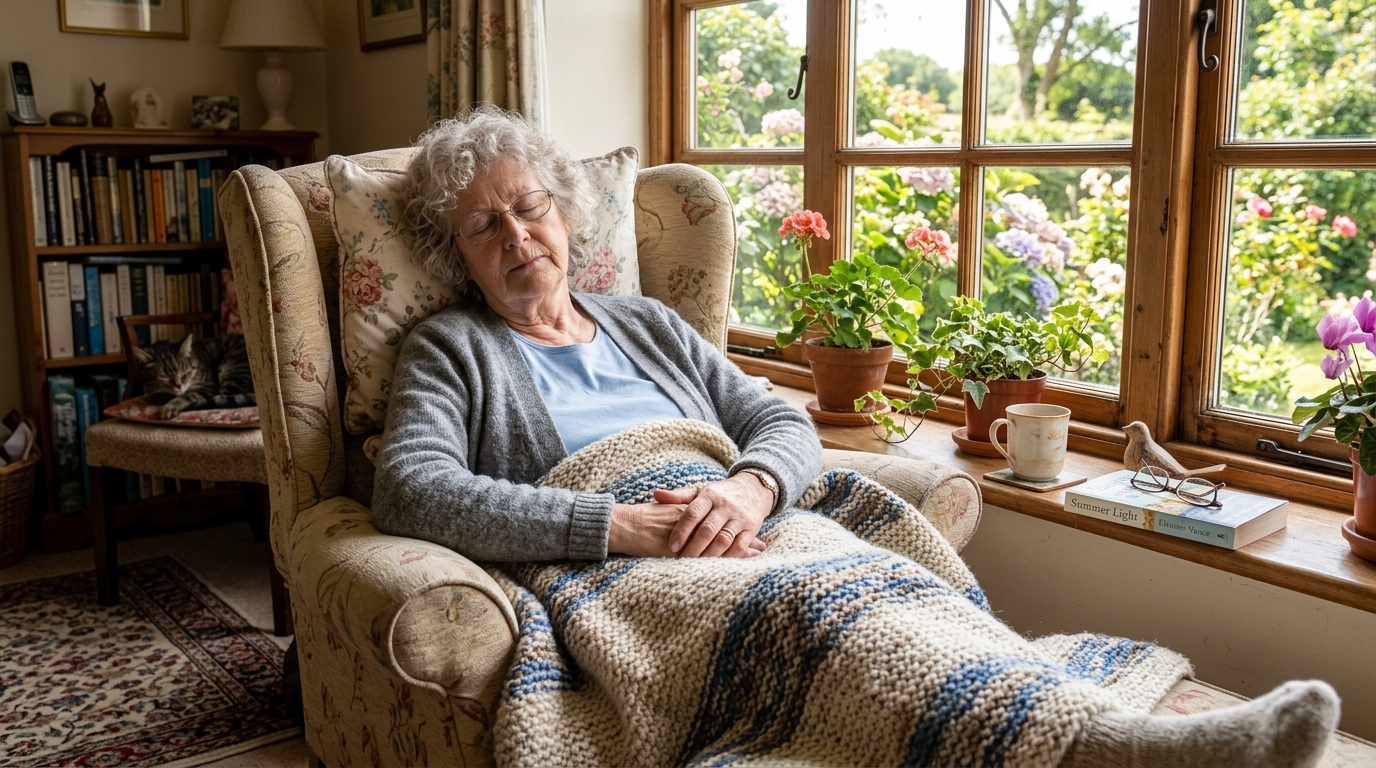
As we gracefully age, our sleep patterns often change. The deep, restful sleep of our youth might become more elusive, leading many seniors to consider napping as a way to catch up on lost rest. But is napping truly beneficial after 60? The answer, as with many things in life, is nuanced. This article will explore the benefits, risks, and best practices for napping, helping you determine if it's the right choice for you.
The Allure of the Afternoon Nap: Potential Benefits
Napping isn't inherently bad. In fact, when done correctly, it can offer several advantages, especially for older adults.
Boosting Cognitive Function
A well-timed nap can do wonders for your brain. Research suggests that napping can improve alertness, memory, and overall cognitive performance. A study published in the journal Sleep found that a short nap can enhance learning and recall abilities (Mednick et al., 2003). This can be particularly helpful for seniors who may experience age-related cognitive decline.
Elevating Mood and Reducing Stress
Feeling a bit down or stressed? A nap might be just what you need. Napping can help regulate emotions and reduce feelings of anxiety and irritability. According to the Johns Hopkins Center for Sleep, sleep deprivation can negatively impact mood, and napping can help mitigate these effects.
Improving Physical Performance
Napping isn't just for the mind; it can also benefit your body. A short nap can improve reaction time, coordination, and overall physical performance. This can be especially beneficial for seniors who enjoy active hobbies or participate in regular exercise. Even a brief rest can help you feel more energized and ready to tackle your daily activities.
The Dark Side of Napping: Potential Risks
While napping can be beneficial, it's essential to be aware of the potential downsides. Improper napping habits can disrupt your sleep cycle and lead to other health problems.
Disrupting Nighttime Sleep
The most common risk associated with napping is its potential to interfere with nighttime sleep. If you nap for too long or too late in the day, you may find it difficult to fall asleep or stay asleep at night. This can lead to a vicious cycle of daytime fatigue and nighttime insomnia. The National Sleep Foundation recommends limiting naps to 30 minutes or less to avoid disrupting your sleep schedule.
Masking Underlying Sleep Disorders
Excessive daytime sleepiness can be a sign of an underlying sleep disorder, such as sleep apnea or insomnia. If you find yourself needing to nap frequently or feeling excessively tired during the day, it's important to consult with your doctor to rule out any underlying medical conditions. According to the Mayo Clinic, persistent sleep problems should always be evaluated by a healthcare professional.
Potential Link to Health Problems
Some studies have suggested a link between long or frequent naps and an increased risk of certain health problems, such as cardiovascular disease and type 2 diabetes. However, it's important to note that these studies are often observational and don't prove causation. It's possible that these health problems are the cause of the increased napping, rather than the other way around. A 2020 study in the journal Hypertension suggested a correlation between frequent napping and increased blood pressure, but more research is needed to fully understand this relationship (Li et al., 2020).
The Art of the Perfect Nap: Best Practices
If you decide that napping is right for you, it's important to follow these best practices to maximize the benefits and minimize the risks.
Keep it Short and Sweet
Aim for a nap of 20-30 minutes. This is often referred to as a "power nap" and is long enough to provide a boost in alertness and cognitive function without causing grogginess or disrupting nighttime sleep. A longer nap, exceeding one hour, can lead to sleep inertia, that disoriented feeling you get when you wake up from a deep sleep.
Time it Right
The best time to nap is typically in the early afternoon, between 1:00 PM and 3:00 PM. This is when your body's natural circadian rhythm experiences a dip in alertness. Avoid napping too late in the day, as this can make it harder to fall asleep at night.
Create a Relaxing Environment
Find a quiet, dark, and comfortable place to nap. Make sure the temperature is comfortable and that you won't be disturbed. Consider using a sleep mask or earplugs to block out light and noise. The goal is to create an environment that promotes relaxation and restful sleep.
Be Consistent
If you plan to nap regularly, try to do it at the same time each day. This can help regulate your body's natural sleep-wake cycle and make it easier to fall asleep and wake up feeling refreshed. Consistency is key to establishing healthy napping habits.
Listen to Your Body
Pay attention to your body's signals. If you're feeling tired and sluggish, a nap might be beneficial. However, if you're not feeling tired or if you have trouble falling asleep, don't force it. Napping should be a natural and enjoyable experience, not a chore.
Key Takeaways
- Napping can offer benefits like improved cognitive function, mood, and physical performance.
- Long or frequent naps can disrupt nighttime sleep and mask underlying sleep disorders.
- Aim for short naps (20-30 minutes) in the early afternoon.
- Create a relaxing environment and be consistent with your napping schedule.
- Consult with your doctor if you have concerns about your sleep patterns.
Ultimately, the decision of whether or not to nap is a personal one. By understanding the benefits and risks of napping and following these best practices, you can make an informed decision about whether napping is right for you. Remember, prioritizing good sleep hygiene is crucial for maintaining your overall health and well-being as you age.
Ready to learn more about optimizing your health and well-being after 60? Explore our other articles on sleep, nutrition, and exercise at SeniorVitalityHub.blog!

Comments