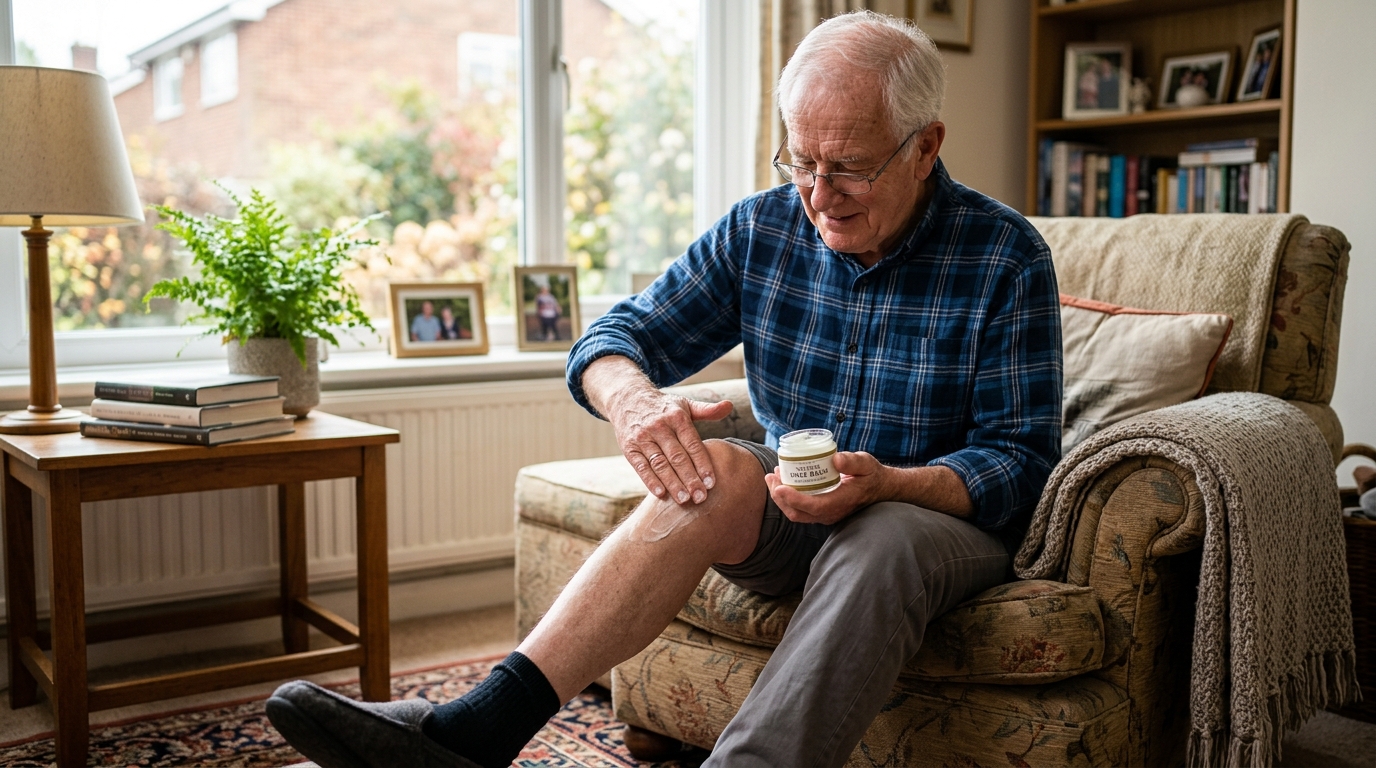
Knee pain. It's a common complaint as we age, and it can significantly impact our ability to enjoy everyday activities. Whether it's from osteoarthritis, an old injury, or just general wear and tear, finding relief is a top priority. While medications and surgery are options, many seniors are looking for natural remedies to ease their discomfort. The good news is that some natural approaches are backed by solid scientific evidence. Let's explore some effective, evidence-based strategies to help you manage your knee pain and get back to doing what you love.
Understanding the Root of Your Knee Pain
Before diving into remedies, it’s important to understand what might be causing your knee pain. Knee pain can stem from various sources, including:
- Osteoarthritis: The most common cause, involving the breakdown of cartilage in the knee joint.
- Injuries: Past injuries like meniscus tears, ligament sprains, or fractures can lead to chronic pain.
- Bursitis: Inflammation of the bursae, fluid-filled sacs that cushion the knee joint.
- Tendinitis: Inflammation of the tendons around the knee.
- Other conditions: Rheumatoid arthritis, gout, and infections can also cause knee pain.
If you’re unsure about the cause of your knee pain, it’s always best to consult with your doctor for a proper diagnosis.
Evidence-Based Natural Remedies for Knee Pain
1. Weight Management
Excess weight puts extra stress on your knee joints, accelerating cartilage breakdown and increasing pain. Losing even a small amount of weight can make a significant difference. According to the Arthritis Foundation, losing just 10-12 pounds can reduce knee pain by 50%.
Actionable Tip: Start by making small, sustainable changes to your diet. Focus on whole, unprocessed foods like fruits, vegetables, lean protein, and whole grains. Aim for portion control and consider working with a registered dietitian for personalized guidance.
2. Exercise and Physical Therapy
While it might seem counterintuitive to exercise when you have knee pain, targeted exercises can actually strengthen the muscles around your knee, providing support and stability. A 2019 study published in the Annals of Internal Medicine found that exercise therapy was as effective as pain medication in reducing knee pain from osteoarthritis.
Actionable Tip: Focus on low-impact exercises like walking, swimming, cycling, and water aerobics. Work with a physical therapist to develop a personalized exercise program that targets the muscles around your knee, such as the quadriceps, hamstrings, and calf muscles. They can also teach you proper form to prevent further injury.
3. Heat and Cold Therapy
Heat and cold therapy are simple, yet effective, ways to manage knee pain. Cold therapy, such as ice packs, can reduce inflammation and numb pain. Heat therapy, such as warm compresses or a warm bath, can relax muscles and improve blood flow.
Actionable Tip: Apply ice packs for 15-20 minutes at a time, several times a day, especially after activity. Use a towel between the ice pack and your skin to prevent frostbite. For heat therapy, apply a warm compress for 20-30 minutes. Experiment with both to see what works best for you.
4. Topical Pain Relievers
Topical creams and gels containing ingredients like capsaicin or menthol can provide localized pain relief. Capsaicin, derived from chili peppers, works by reducing the transmission of pain signals. Menthol provides a cooling sensation that can temporarily relieve pain.
Actionable Tip: Look for over-the-counter creams and gels containing capsaicin or menthol. Apply them directly to the affected area as directed. Be sure to wash your hands thoroughly after application to avoid getting the cream in your eyes or mouth. According to the Johns Hopkins pain center, mindfulness techniques can also increase the effectiveness of topical pain relievers.
5. Supplements: Glucosamine and Chondroitin
Glucosamine and chondroitin are natural compounds found in cartilage. Some studies suggest that these supplements may help reduce knee pain and improve joint function, although the evidence is mixed. A large NIH-funded study, the GAIT trial, showed that glucosamine and chondroitin may be effective for some people with moderate to severe knee pain.
Actionable Tip: Talk to your doctor before taking glucosamine and chondroitin supplements, as they can interact with certain medications. If you decide to try them, choose a high-quality brand and take them consistently for at least a few months to see if they provide any benefit. The Arthritis Foundation suggests a daily dose of 1500mg of Glucosamine and 1200mg of Chondroitin.
6. Acupuncture
Acupuncture, a traditional Chinese medicine technique, involves inserting thin needles into specific points on the body to stimulate healing. Some research suggests that acupuncture may help reduce knee pain from osteoarthritis. A meta-analysis published in JAMA Network Open in 2022 found that acupuncture was associated with a statistically significant reduction in pain compared to sham acupuncture.
Actionable Tip: Find a licensed and experienced acupuncturist. Be sure to discuss your knee pain and any other health conditions you have with the acupuncturist before starting treatment.
Key Takeaways
- Weight management can significantly reduce stress on your knee joints and alleviate pain.
- Targeted exercises and physical therapy can strengthen the muscles around your knee, providing support and stability.
- Heat and cold therapy are simple, yet effective, ways to manage knee pain and inflammation.
- Topical pain relievers containing capsaicin or menthol can provide localized pain relief.
- Glucosamine and chondroitin supplements may help reduce knee pain and improve joint function for some individuals.
Moving Forward
Knee pain doesn't have to control your life. By incorporating these evidence-based natural remedies into your routine, you can take proactive steps to manage your pain and improve your quality of life. Remember to consult with your doctor before starting any new treatment plan.
Ready to explore more ways to enhance your vitality? Check out our other articles on joint health and healthy aging!

Comments