Osteoporosis, a condition characterized by weakened bones, becomes a significant concern as we age, particularly after 60. This silent disease often progresses without symptoms until a fracture occurs, leading to pain, mobility issues, and a decreased quality of life. But the good news is that osteoporosis is often preventable and manageable. This article will provide practical, science-backed strategies to protect your bones and reduce your risk of fractures after 60.
Understanding Osteoporosis
Osteoporosis occurs when the creation of new bone doesn't keep up with the loss of old bone. This leads to decreased bone density and increased fragility. While it can affect anyone, it's most common in older adults, especially women after menopause due to hormonal changes that accelerate bone loss. According to the National Osteoporosis Foundation, approximately one in two women and up to one in four men over 50 will break a bone due to osteoporosis.
Risk Factors for Osteoporosis
Several factors increase your risk of developing osteoporosis:
- Age: Bone density naturally decreases with age.
- Gender: Women are more susceptible, especially after menopause.
- Family history: Having a parent or sibling with osteoporosis increases your risk.
- Race: Caucasians and Asians are at higher risk.
- Body size: Small-framed individuals tend to have less bone mass.
- Certain medical conditions: These include rheumatoid arthritis, celiac disease, and inflammatory bowel disease.
- Medications: Long-term use of corticosteroids (like prednisone) can weaken bones.
- Lifestyle factors: These include a sedentary lifestyle, smoking, excessive alcohol consumption, and a diet low in calcium and vitamin D.
The Importance of Calcium and Vitamin D
Calcium and vitamin D are essential nutrients for bone health. Calcium is the building block of bones, while vitamin D helps your body absorb calcium. Without enough vitamin D, your body can't effectively use the calcium you consume.
How Much Calcium and Vitamin D Do You Need?
The recommended daily intake of calcium for women over 50 is 1200 mg, and for men over 70, it's 1200 mg as well. For vitamin D, the recommendation for adults over 60 is 800 IU (International Units) per day, according to the National Institutes of Health (NIH). However, it is best to consult with your doctor to determine the right dose for you.
Sources of Calcium and Vitamin D
- Calcium-rich foods: Dairy products (milk, yogurt, cheese), leafy green vegetables (kale, spinach), fortified plant-based milks, and canned sardines with bones are excellent sources.
- Vitamin D-rich foods: Fatty fish (salmon, tuna, mackerel), egg yolks, and fortified foods (milk, cereal, orange juice) are good sources.
- Supplements: If you're not getting enough calcium and vitamin D through diet alone, consider taking supplements. Talk to your doctor or pharmacist to determine the appropriate dosage and type of supplement for you.
Exercise for Stronger Bones
Weight-bearing and muscle-strengthening exercises are crucial for maintaining bone density and preventing falls. According to Harvard Medical School, exercise can increase bone density and reduce the risk of fractures.
Weight-Bearing Exercises
Weight-bearing exercises are those that force you to work against gravity. Examples include:
- Walking: A simple and accessible exercise that can be done almost anywhere.
- Jogging: If you're able, jogging can provide a more intense bone-building stimulus.
- Dancing: A fun and social way to improve bone health.
- Stair climbing: A great way to strengthen your legs and improve balance.
- Hiking: Enjoy the outdoors while strengthening your bones.
Muscle-Strengthening Exercises
Muscle-strengthening exercises help build muscle mass, which supports your bones and improves balance. Examples include:
- Lifting weights: Use dumbbells, resistance bands, or weight machines.
- Bodyweight exercises: Squats, lunges, push-ups, and planks can be done at home without any equipment.
- Yoga and Pilates: These exercises improve strength, flexibility, and balance.
Aim for at least 30 minutes of moderate-intensity weight-bearing exercise most days of the week and incorporate muscle-strengthening exercises at least twice a week. Always consult your doctor before starting a new exercise program.
Lifestyle Modifications to Protect Your Bones
In addition to diet and exercise, certain lifestyle modifications can significantly impact your bone health.
Quit Smoking
Smoking is detrimental to bone health. It reduces bone density and increases the risk of fractures. Quitting smoking is one of the best things you can do for your bones and overall health. The Cleveland Clinic emphasizes the negative impact of smoking on bone density and fracture healing.
Limit Alcohol Consumption
Excessive alcohol consumption can interfere with calcium absorption and bone formation. Limit your alcohol intake to no more than one drink per day for women and two drinks per day for men.
Prevent Falls
Falls are a major cause of fractures in older adults. Take steps to prevent falls by:
- Improving your balance: Practice balance exercises like standing on one foot or doing Tai Chi.
- Making your home safer: Remove tripping hazards like loose rugs, improve lighting, and install grab bars in the bathroom.
- Getting regular eye exams: Poor vision can increase your risk of falls.
- Reviewing your medications: Some medications can cause dizziness or drowsiness, increasing your risk of falling.
Bone Density Testing
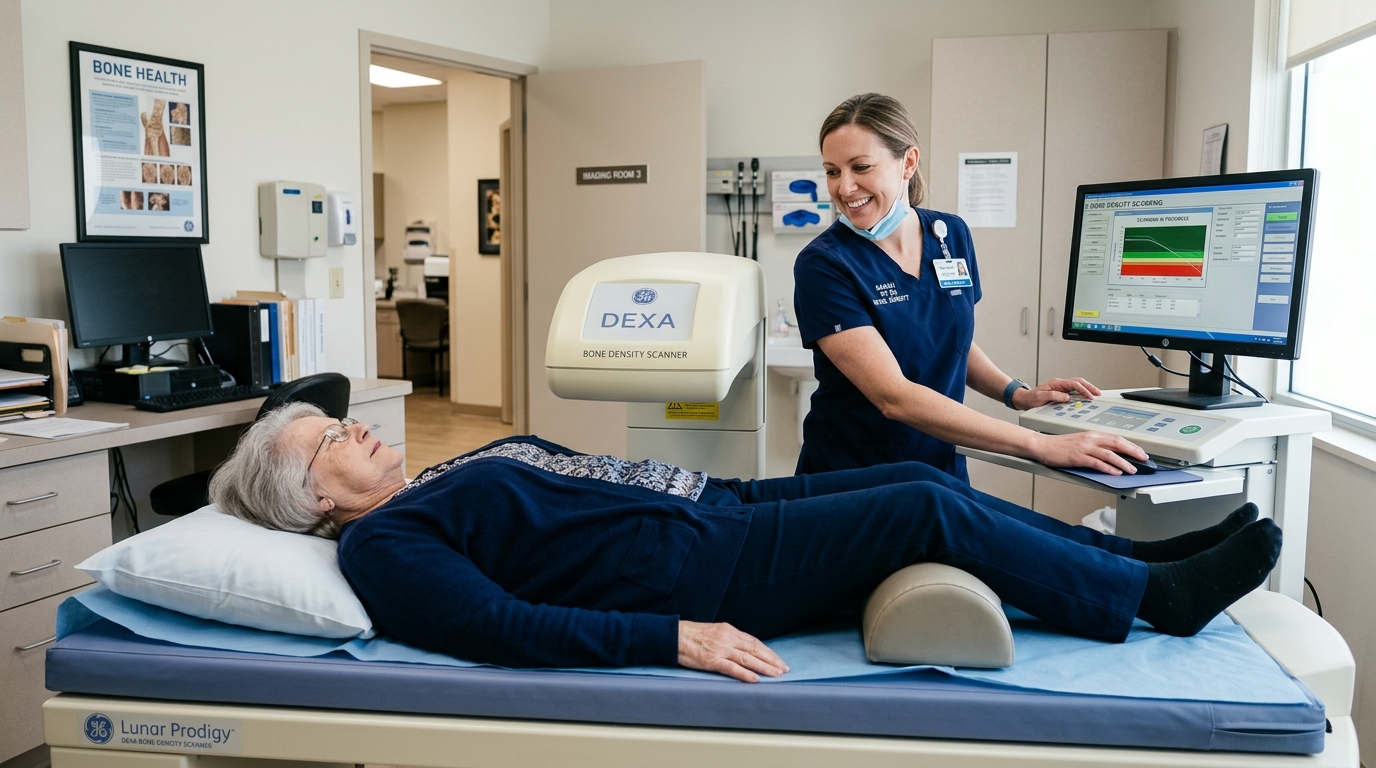
Bone density testing, also known as a DEXA scan, is a non-invasive test that measures the density of your bones. It can help diagnose osteoporosis and assess your risk of fractures. The Mayo Clinic recommends that women over 65 and men over 70 should have a bone density test. Your doctor may recommend testing earlier if you have risk factors for osteoporosis.
Medical Treatments for Osteoporosis
If you're diagnosed with osteoporosis, your doctor may recommend medical treatments to slow bone loss and reduce your risk of fractures. These treatments may include:
- Bisphosphonates: These medications slow bone loss and increase bone density.
- Selective estrogen receptor modulators (SERMs): These medications have estrogen-like effects on bone, helping to prevent bone loss.
- Monoclonal antibodies: These medications target specific proteins involved in bone loss.
- Hormone therapy: Estrogen therapy can help prevent bone loss in women after menopause, but it also carries risks and benefits that should be discussed with your doctor.
Key Takeaways
- Osteoporosis is a common condition that weakens bones and increases the risk of fractures, especially after age 60.
- Calcium and vitamin D are essential for bone health. Aim for adequate intake through diet and supplements if needed.
- Weight-bearing and muscle-strengthening exercises can help maintain bone density and prevent falls.
- Lifestyle modifications like quitting smoking, limiting alcohol, and preventing falls can significantly impact your bone health.
- Regular bone density testing can help diagnose osteoporosis early and allow for timely treatment.
Protecting your bones is a lifelong endeavor, and it's never too late to start taking steps to improve your bone health. By incorporating these strategies into your daily routine, you can reduce your risk of fractures and maintain an active, healthy lifestyle.
Want to learn more about staying healthy and active as you age? Explore our other articles on SeniorVitalityHub.blog today!

Comments