Potassium and Heart Health: Best Food Sources for Seniors
As we age, maintaining a healthy heart becomes increasingly important. One key nutrient that plays a vital role in heart health is potassium. This essential mineral helps regulate blood pressure, supports nerve function, and ensures muscles, including the heart, work correctly. For seniors, understanding the importance of potassium and how to incorporate it into their diet can significantly contribute to overall well-being.
Why Potassium Matters for Seniors' Heart Health
Potassium is an electrolyte that the body needs to conduct nerve impulses, contract muscles, and maintain fluid balance. But its impact on blood pressure is particularly crucial for seniors. According to the American Heart Association, potassium helps to lessen the effect of sodium on blood pressure. A diet rich in potassium can help lower blood pressure and reduce the risk of heart disease and stroke.
The Potassium-Sodium Balance
Many seniors consume a diet high in sodium, which can lead to high blood pressure. Potassium helps to counteract the effects of sodium by promoting sodium excretion through urine. This balance is essential for maintaining healthy blood pressure levels. Harvard Medical School research shows that increasing potassium intake while reducing sodium intake is more effective at lowering blood pressure than simply reducing sodium alone.
Potassium and Blood Pressure Regulation
Potassium helps blood vessels relax, which in turn, lowers blood pressure. This vasodilation effect is crucial for preventing hypertension and reducing the strain on the heart. A 2022 study published in JAMA Internal Medicine found that individuals with higher potassium intake had a lower risk of cardiovascular events, including stroke and heart attack.
Other Benefits of Potassium
Beyond heart health, potassium is also essential for:
- Muscle Function: Potassium helps muscles contract properly, preventing cramps and weakness.
- Nerve Function: It supports healthy nerve function, which is vital for sensory perception and motor control.
- Bone Health: Some studies suggest that potassium may contribute to bone health by neutralizing acids that can leach calcium from bones.
Best Food Sources of Potassium for Seniors
Now that we understand the importance of potassium, let's explore some of the best food sources for seniors to incorporate into their diets:
Fruits
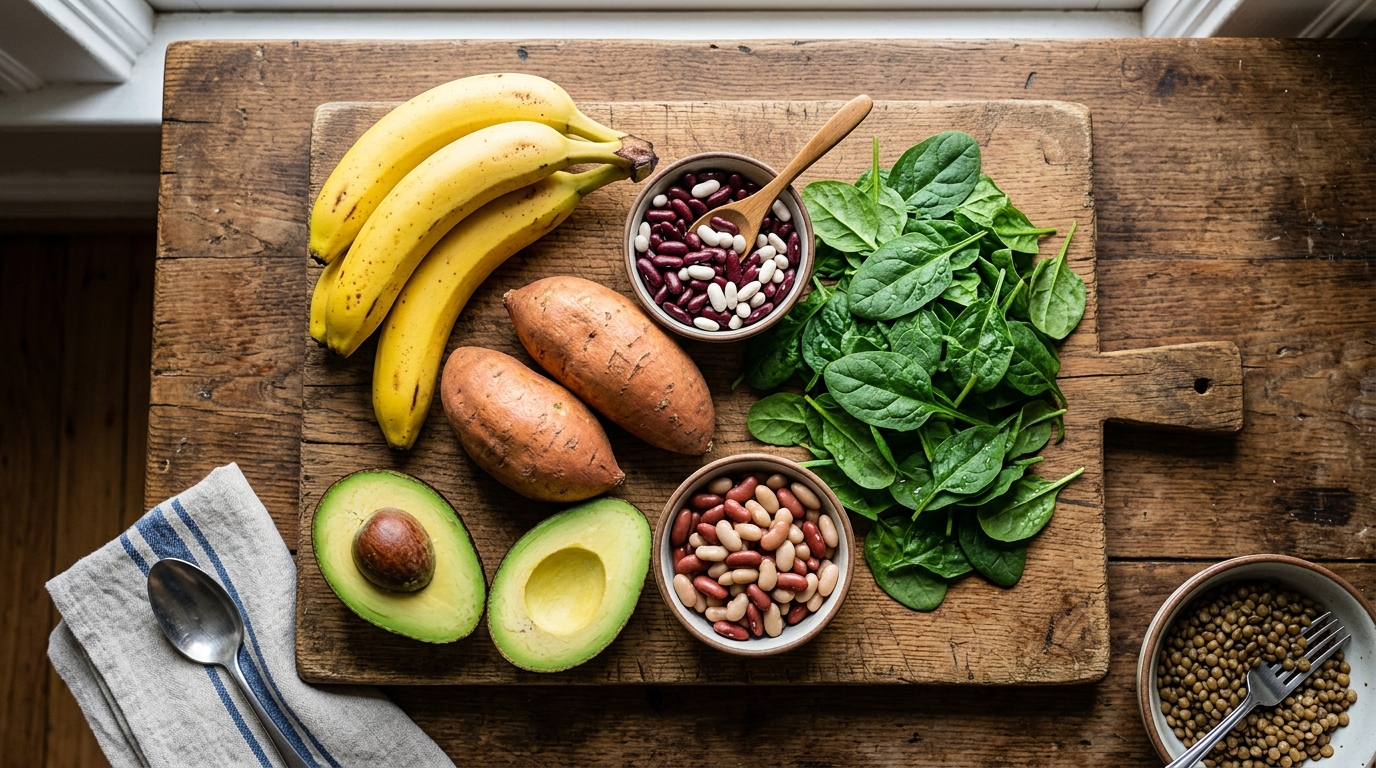
- Bananas: Perhaps the most well-known source of potassium, a medium-sized banana provides around 422 mg of potassium.
- Avocados: A creamy and delicious option, half an avocado contains approximately 487 mg of potassium.
- Cantaloupe: This refreshing melon is packed with potassium; one cup provides about 427 mg.
- Dried Fruits: Dried apricots, raisins, and prunes are concentrated sources of potassium. However, be mindful of their sugar content.
Vegetables
- Sweet Potatoes: A single baked sweet potato with skin offers a whopping 542 mg of potassium.
- Spinach: This leafy green is not only rich in potassium (167mg per cup, raw) but also packed with other essential nutrients.
- Potatoes: A medium-sized baked potato with skin provides around 926 mg of potassium.
- Beet Greens: Often overlooked, beet greens are an excellent source of potassium, offering about 644 mg per cup cooked.
Other Good Sources
- Beans and Lentils: Kidney beans, white beans, and lentils are all good sources of potassium and plant-based protein.
- Yogurt: A cup of plain yogurt can provide around 380 mg of potassium, along with probiotics for gut health.
- Salmon: This fatty fish is not only rich in omega-3 fatty acids but also a good source of potassium.
Tips for Increasing Potassium Intake
Here are some practical tips for seniors to increase their potassium intake:
- Start with Breakfast: Add a banana to your cereal or oatmeal, or enjoy a yogurt parfait with berries.
- Snack Smart: Choose potassium-rich snacks like a handful of dried apricots or a small avocado.
- Load Up on Veggies: Include a variety of potassium-rich vegetables in your meals, such as spinach, sweet potatoes, and beet greens.
- Read Labels: Pay attention to nutrition labels to identify foods that are good sources of potassium.
- Cook at Home: Preparing meals at home allows you to control the ingredients and ensure you're getting enough potassium.
Potential Risks and Considerations
While potassium is essential, it's important to be aware of potential risks, especially for seniors with certain health conditions. According to the National Institutes of Health (NIH), individuals with kidney disease should be cautious about their potassium intake, as their kidneys may not be able to effectively remove excess potassium from the body. This can lead to hyperkalemia, a condition characterized by abnormally high potassium levels in the blood.
Certain medications, such as ACE inhibitors and potassium-sparing diuretics, can also affect potassium levels. It's crucial for seniors to discuss their potassium intake with their healthcare provider, especially if they have kidney problems or are taking medications that may impact potassium levels.
Key Takeaways
- Potassium is vital for heart health, helping to regulate blood pressure and reduce the risk of cardiovascular events.
- Seniors should aim to incorporate potassium-rich foods into their diet, such as bananas, avocados, sweet potatoes, and spinach.
- Balancing potassium intake with sodium reduction is essential for maintaining healthy blood pressure levels.
- Individuals with kidney disease or those taking certain medications should consult their healthcare provider about their potassium intake.
- Small changes to your diet, like adding a banana to your breakfast or snacking on dried apricots, can make a big difference in your potassium levels.
Actionable Steps You Can Take Today
- Plan your next meal: Include at least one potassium-rich food in your next meal, whether it's a baked sweet potato, a spinach salad, or a banana with your breakfast.
- Review your medications: Discuss your medications with your doctor or pharmacist to see if any of them affect your potassium levels.
- Start a food journal: Track your potassium intake for a few days to get a better understanding of your current dietary habits.
Prioritizing potassium intake is a simple yet effective way for seniors to support their heart health and overall well-being. By incorporating potassium-rich foods into their diet and being mindful of potential risks, seniors can take proactive steps to maintain a healthy and active lifestyle.
Want to learn more about healthy eating for seniors? Check out our other articles on SeniorVitalityHub.blog!

Comments