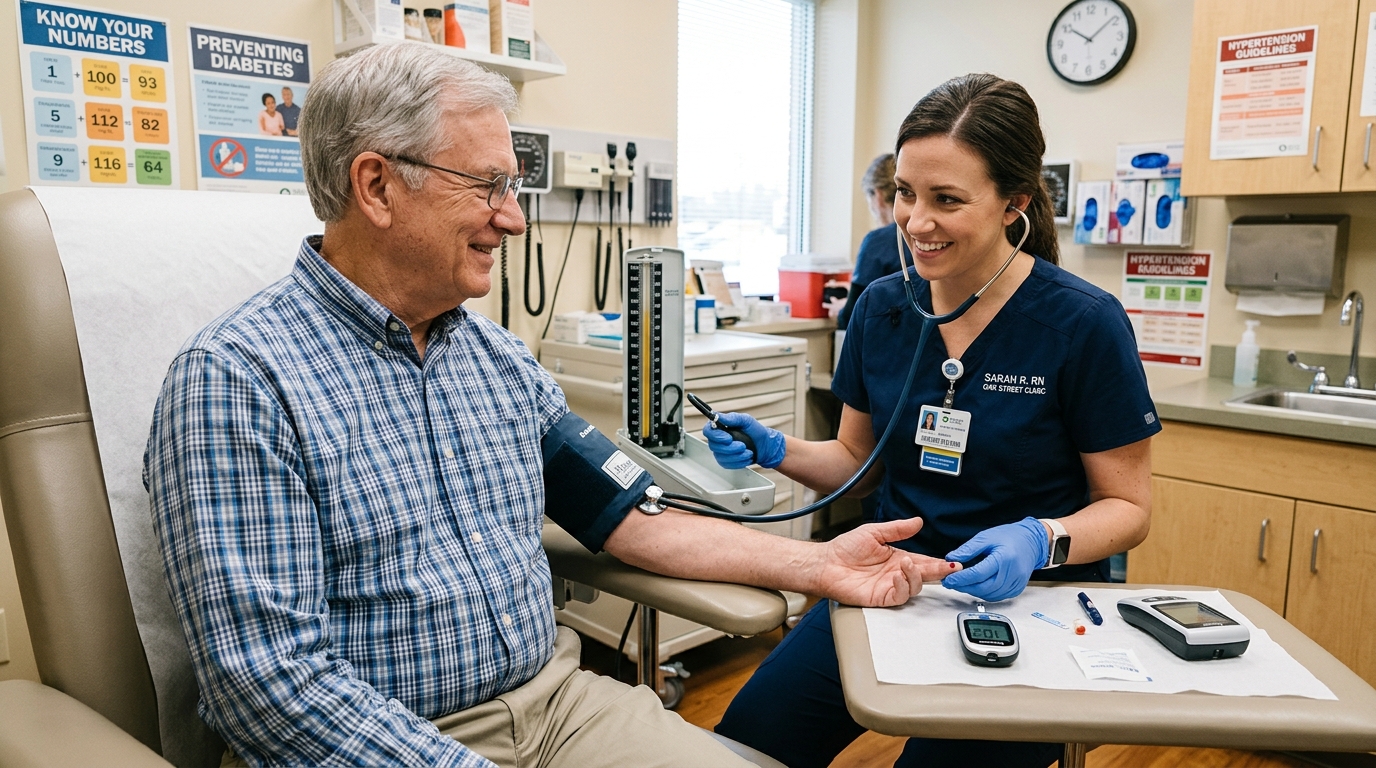
As we gracefully navigate the golden years, proactive healthcare becomes increasingly vital. Preventive health screenings are powerful tools that can help detect potential health issues early, when they are often more treatable. This article will guide you through essential screenings every senior should consider scheduling, empowering you to take control of your health and well-being.
Why Preventive Screenings Matter
Preventive screenings aren't just about finding problems; they're about maintaining and improving your quality of life. They allow healthcare professionals to identify risk factors, detect diseases in their early stages (sometimes before symptoms even appear), and recommend lifestyle changes or treatments to prevent or manage health conditions. Early detection can significantly improve treatment outcomes and overall health. The National Council on Aging (NCOA) emphasizes the importance of regular screenings for maintaining independence and vitality in older adults.
Essential Health Screenings for Seniors
1. Comprehensive Physical Exam
A yearly physical exam is the cornerstone of preventive care. During this exam, your doctor will assess your overall health, review your medical history, check your vital signs (blood pressure, heart rate, temperature), and perform a physical examination. This is also an opportunity to discuss any health concerns, medications, and lifestyle habits. According to Harvard Medical School, a comprehensive physical can help identify potential health problems early on.
2. Blood Pressure Screening
High blood pressure (hypertension) is a major risk factor for heart disease, stroke, and kidney disease. Regular blood pressure screenings are crucial, especially as we age. The American Heart Association recommends that adults aged 40 and older, and those at increased risk, have their blood pressure checked at least once a year. If your blood pressure is elevated, your doctor may recommend lifestyle changes or medication.
3. Cholesterol Screening
High cholesterol can lead to plaque buildup in your arteries, increasing your risk of heart attack and stroke. A lipid panel, which measures your cholesterol levels, should be performed regularly. The frequency of cholesterol screenings depends on your individual risk factors, but generally, the Mayo Clinic advises that most adults should have their cholesterol checked every 4 to 6 years. If you have a family history of heart disease or other risk factors, you may need to be screened more often.
4. Diabetes Screening
Diabetes is a chronic condition that affects how your body metabolizes sugar. Undiagnosed diabetes can lead to serious complications, including heart disease, kidney disease, and nerve damage. The American Diabetes Association recommends that adults aged 45 and older be screened for diabetes every three years. If you have risk factors such as obesity, a family history of diabetes, or high blood pressure, you may need to be screened more frequently.
5. Cancer Screenings
Cancer screenings are essential for early detection and treatment. Specific screenings vary depending on your sex and risk factors.
a. Breast Cancer Screening
Women should have regular mammograms to screen for breast cancer. Guidelines vary, but the American Cancer Society recommends that women aged 45 to 54 should get mammograms every year, and women 55 and older can switch to mammograms every other year, or continue yearly screening. Talk to your doctor about what's best for you.
b. Cervical Cancer Screening
Women should continue to have Pap tests and HPV tests to screen for cervical cancer. Guidelines vary depending on age and previous results. Discuss with your doctor the appropriate screening schedule for you.
c. Prostate Cancer Screening
Men should discuss prostate cancer screening with their doctor, typically starting at age 50, or earlier if they have risk factors such as a family history of prostate cancer or are African American. Screening options include a prostate-specific antigen (PSA) blood test and a digital rectal exam.
d. Colon Cancer Screening
Colon cancer screening is recommended for adults aged 45 to 75. Screening options include colonoscopy, sigmoidoscopy, and stool-based tests. The best option for you depends on your individual risk factors and preferences. A 2023 study published in the *New England Journal of Medicine* showed that stool-based tests are an effective way to detect early-stage colon cancer.
e. Lung Cancer Screening
For individuals with a history of heavy smoking, a low-dose computed tomography (LDCT) scan of the lungs may be recommended. The U.S. Preventive Services Task Force recommends annual lung cancer screening with LDCT for adults aged 50 to 80 years who have a 20 pack-year smoking history and currently smoke or have quit within the past 15 years.
6. Eye Exam
Regular eye exams are crucial for detecting age-related eye conditions such as cataracts, glaucoma, and macular degeneration. Early detection and treatment can help prevent vision loss. The American Academy of Ophthalmology recommends that adults aged 65 and older have an eye exam every one to two years.
7. Hearing Test
Hearing loss is common as we age and can impact communication, social interaction, and overall quality of life. A hearing test can detect hearing loss early, allowing for interventions such as hearing aids or other assistive devices. Consider getting a hearing test every few years, or more often if you notice changes in your hearing.
8. Bone Density Screening
Osteoporosis, a condition that weakens bones, is more common in older adults, especially women. A bone density screening (DEXA scan) can measure your bone density and assess your risk of fractures. The National Osteoporosis Foundation recommends that women aged 65 and older and men aged 70 and older should have a bone density test. Younger individuals with risk factors for osteoporosis may also need to be screened.
9. Mental Health Screening
Mental health is just as important as physical health. Seniors are at risk for depression, anxiety, and other mental health conditions. A mental health screening can help identify these issues early, allowing for appropriate treatment and support. Talk to your doctor if you are experiencing symptoms of depression, anxiety, or other mental health concerns.
10. Vaccination Updates
Staying up-to-date on vaccinations is crucial for protecting against infectious diseases. Recommended vaccines for seniors include influenza (flu), pneumococcal (pneumonia), shingles, and tetanus-diphtheria-pertussis (Tdap). The Centers for Disease Control and Prevention (CDC) provides updated vaccine recommendations for adults. Talk to your doctor about which vaccines are right for you.
Key Takeaways
- Preventive screenings are essential for maintaining health and quality of life as we age.
- Regular screenings can help detect diseases early, when they are more treatable.
- Talk to your doctor about which screenings are right for you based on your age, sex, and risk factors.
- Don't delay – schedule your preventive screenings today!
- Staying proactive about your health empowers you to live a longer, healthier, and more fulfilling life.
Actionable Tips for Today
- Review your health records: Make a list of your past screenings and when they were performed.
- Talk to your doctor: Schedule an appointment to discuss which screenings are right for you.
- Schedule your screenings: Don't wait! Schedule your appointments as soon as possible.
- Prepare for your appointments: Write down any questions or concerns you have.
By taking proactive steps to prioritize your health, you can enjoy a vibrant and fulfilling life during your senior years. Regular preventive screenings are a powerful tool for maintaining your well-being and preventing serious health issues.
Ready for more insights on healthy aging? Explore our other articles on SeniorVitalityHub.blog to discover tips on nutrition, exercise, and overall wellness!

Comments