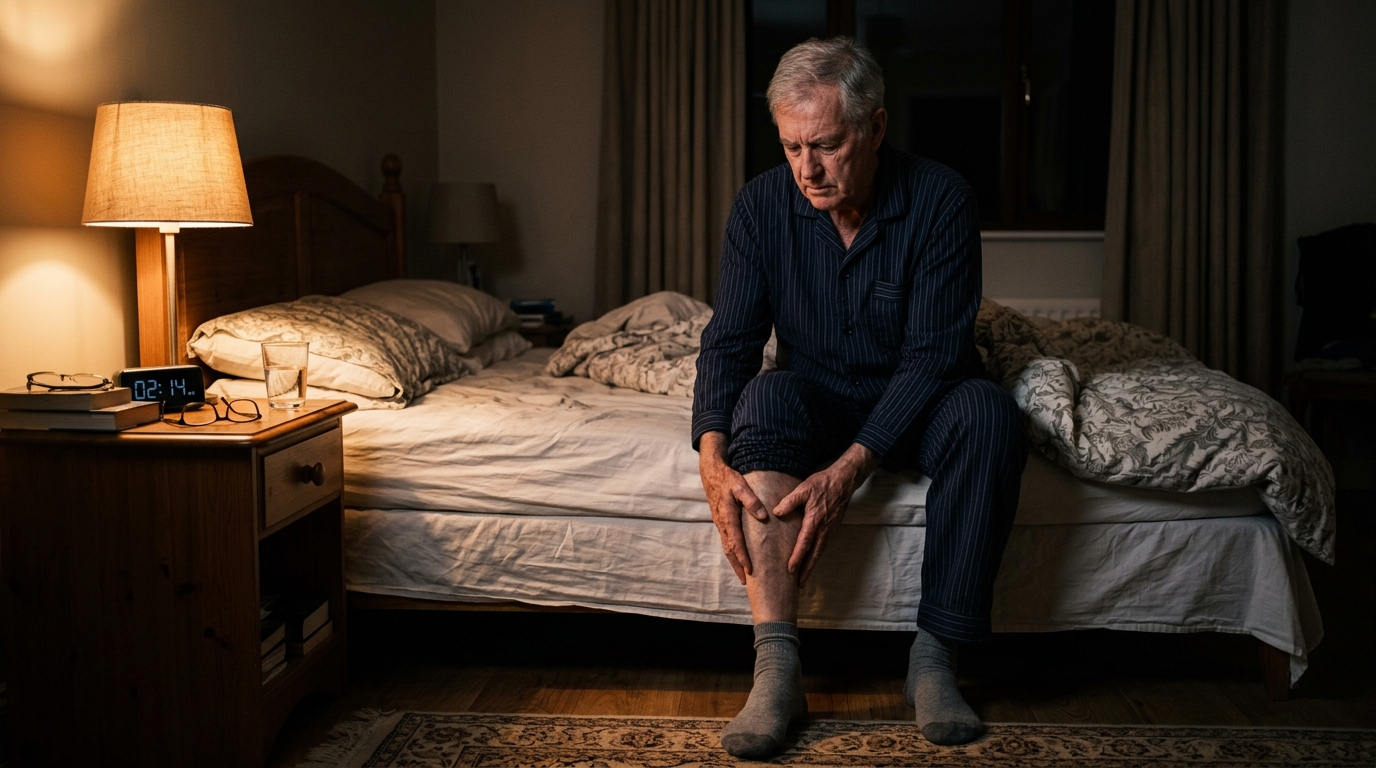
That creeping, crawling, irresistible urge to move your legs – it's a feeling many seniors know all too well. It's Restless Legs Syndrome (RLS), and while it might sound like a minor annoyance, it can significantly disrupt sleep and quality of life. But don't worry, you're not alone, and there are plenty of ways to manage and relieve RLS. This article will explore the causes, symptoms, and, most importantly, effective home remedies to help you find relief.
Understanding Restless Legs Syndrome
Restless Legs Syndrome, also known as Willis-Ekbom disease, is a neurological disorder characterized by an uncontrollable urge to move the legs, usually because of an uncomfortable sensation. These sensations are often described as creeping, crawling, pulling, throbbing, or itching. While the exact cause remains unknown, several factors are believed to contribute to its development. According to the National Institute of Neurological Disorders and Stroke (NINDS), RLS affects up to 10% of the U.S. population, with severity ranging from mild to severe.
Common Symptoms of RLS
- An irresistible urge to move the legs: This is the hallmark symptom.
- Uncomfortable sensations: These can include tingling, burning, itching, or a crawling feeling in the legs.
- Symptoms worsen at rest: Sitting or lying down for extended periods tends to exacerbate symptoms.
- Symptoms improve with movement: Walking, stretching, or jiggling the legs often provides temporary relief.
- Symptoms are often worse in the evening or at night: This can significantly disrupt sleep.
- Periodic limb movements in sleep (PLMS): Many people with RLS also experience involuntary leg twitching or jerking during sleep.
What Causes Restless Legs Syndrome?
While the precise cause of RLS is still being investigated, research suggests a combination of genetic and environmental factors plays a role. Here are some of the contributing factors:
Potential Causes and Risk Factors
- Genetics: RLS often runs in families, suggesting a genetic component. If you have a family history of RLS, you are more likely to develop it.
- Iron Deficiency: Low iron levels in the brain can contribute to RLS. A blood test can determine if you are iron deficient. The Mayo Clinic specifically mentions iron deficiency as a key contributing factor.
- Chronic Diseases: Certain chronic conditions, such as kidney failure, diabetes, and peripheral neuropathy, are associated with an increased risk of RLS.
- Medications: Some medications, including antidepressants, antihistamines, and anti-nausea drugs, can trigger or worsen RLS symptoms.
- Nerve Damage: Damage to nerves in the legs (peripheral neuropathy) can sometimes lead to RLS.
- Pregnancy: Some women experience RLS during pregnancy, particularly in the third trimester. It usually resolves after delivery.
Practical Strategies for RLS Relief
Fortunately, there are many things you can do at home to manage your RLS symptoms and improve your sleep. These strategies focus on lifestyle changes, home remedies, and simple exercises.
Effective Home Remedies and Lifestyle Adjustments
- Iron Supplements: If you are iron deficient, talk to your doctor about taking iron supplements. A 2009 study in *Neurology* found that iron supplementation can significantly reduce RLS symptoms in individuals with low iron levels. Always consult your doctor before starting any new supplement.
- Magnesium: Some people find that magnesium supplements help to relieve RLS symptoms. However, research is mixed. AARP suggests magnesium as a potential remedy, but emphasizes the need for more research. Talk to your doctor to see if magnesium is right for you.
- Warm Baths: Soaking in a warm bath before bed can help relax your muscles and ease RLS symptoms. Add Epsom salts for extra relief.
- Massage: Massaging your legs can improve circulation and reduce discomfort. Ask a partner or use a massage tool.
- Regular Exercise: Moderate exercise, such as walking, swimming, or cycling, can help reduce RLS symptoms. Avoid strenuous exercise close to bedtime, as this can sometimes worsen symptoms.
- Stretching: Stretching your leg muscles before bed can help relieve tension and reduce the urge to move. Try calf stretches, hamstring stretches, and quadriceps stretches.
- Avoid Caffeine and Alcohol: Caffeine and alcohol can both interfere with sleep and worsen RLS symptoms. Try to avoid these substances, especially in the evening.
- Quit Smoking: Smoking can impair circulation and worsen RLS symptoms. Quitting smoking can improve your overall health and reduce RLS symptoms.
- Establish a Regular Sleep Schedule: Going to bed and waking up at the same time each day can help regulate your body's natural sleep-wake cycle and improve sleep quality.
- Cool Environment: Keep your bedroom cool, dark, and quiet to create a relaxing sleep environment.
- Compression Socks: Wearing compression socks during the day may help improve circulation and reduce RLS symptoms at night.
When to Seek Medical Advice
While home remedies can be effective for managing mild to moderate RLS, it's important to see a doctor if your symptoms are severe or significantly interfering with your sleep and daily life. A doctor can help rule out underlying medical conditions and recommend other treatment options, such as medications.
Key Takeaways
- Restless Legs Syndrome (RLS) is a neurological disorder characterized by an irresistible urge to move the legs, often accompanied by uncomfortable sensations.
- Potential causes of RLS include genetics, iron deficiency, chronic diseases, medications, and nerve damage.
- Home remedies, such as iron supplements (if deficient), magnesium, warm baths, massage, and regular exercise, can help manage RLS symptoms.
- Lifestyle adjustments, such as avoiding caffeine and alcohol, quitting smoking, and establishing a regular sleep schedule, can also improve RLS symptoms.
- If your RLS symptoms are severe or significantly interfering with your sleep and daily life, see a doctor for further evaluation and treatment.
Don't let Restless Legs Syndrome keep you from enjoying a good night's sleep and a fulfilling life. By understanding the causes and implementing these practical strategies, you can take control of your symptoms and find relief.
Want to learn more about improving your sleep and overall well-being? Check out our other articles in the Sleep & Rest category!

Comments