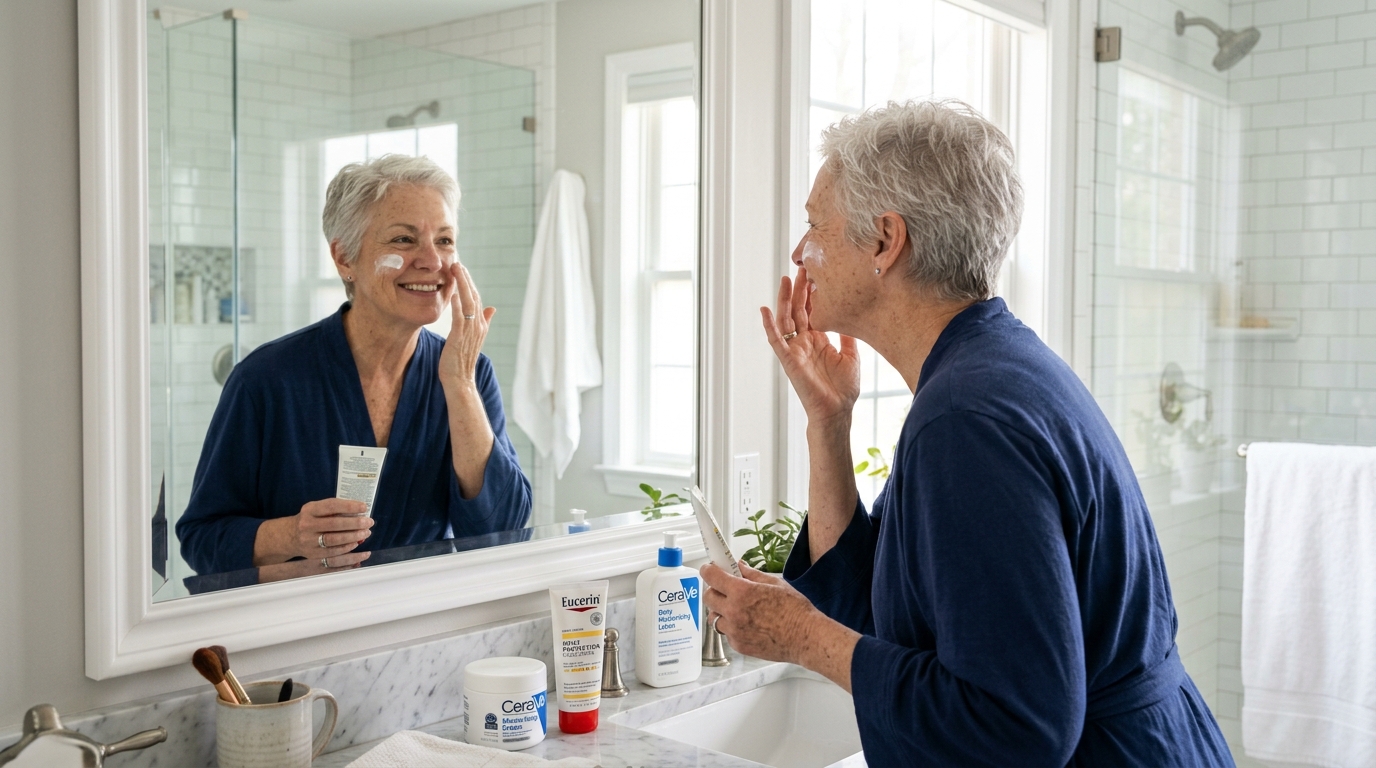
Skin Care After 60: What Science Says About Aging Skin
As we journey through life, our skin undergoes natural changes. After 60, these changes become more pronounced, requiring a shift in our skincare approach. Understanding the science behind aging skin empowers us to make informed decisions and adopt effective strategies for maintaining healthy, radiant skin. This article will delve into the science-backed aspects of skin aging and provide practical tips to keep your skin looking and feeling its best.
Understanding the Science of Aging Skin
Several biological processes contribute to the aging of our skin. These include a decrease in collagen production, reduced elastin, and a slower rate of cell turnover. Let's explore these factors in more detail:
Collagen Loss
Collagen is the protein that provides structure and elasticity to our skin. As we age, collagen production naturally declines. This decline leads to wrinkles, sagging skin, and a loss of firmness. According to Harvard Medical School, collagen production decreases by about 1% per year after age 20. This cumulative effect becomes more noticeable after 60.
Elastin Reduction
Elastin is another crucial protein that allows the skin to stretch and bounce back. Similar to collagen, elastin production diminishes with age, leading to a loss of skin elasticity and the formation of wrinkles and fine lines. The Mayo Clinic notes that sun exposure significantly accelerates the breakdown of elastin, emphasizing the importance of sun protection.
Slower Cell Turnover
The process of cell turnover, where old skin cells are replaced by new ones, slows down as we age. This slower turnover can result in dull, dry skin and a buildup of dead skin cells. The National Institutes of Health (NIH) indicates that this process can take significantly longer in older adults, contributing to a rougher skin texture.
Other Factors
Beyond collagen, elastin, and cell turnover, other factors also play a role in skin aging:
- Hormonal Changes: Menopause in women leads to a significant drop in estrogen levels, which can further reduce collagen production and skin hydration.
- Reduced Oil Production: Sebaceous glands produce less oil as we age, leading to drier skin.
- Thinning of the Epidermis: The outer layer of the skin (epidermis) becomes thinner, making it more vulnerable to damage.
Essential Skin Care Practices for Mature Skin
While we cannot stop the aging process, we can certainly mitigate its effects on our skin through diligent skincare practices. Here are some essential steps to incorporate into your daily routine:
Gentle Cleansing
As skin becomes drier and more delicate with age, harsh cleansers can strip away essential oils and exacerbate dryness. Opt for a gentle, hydrating cleanser that is free of sulfates and fragrances. A creamy cleanser or cleansing oil can be particularly beneficial. Pat your skin dry instead of rubbing it vigorously.
Daily Moisturizing
Moisturizing is paramount for mature skin. Look for moisturizers that contain humectants (like hyaluronic acid and glycerin) to draw moisture into the skin, emollients (like shea butter and ceramides) to soften and smooth the skin, and occlusives (like petrolatum and mineral oil) to create a protective barrier. Apply moisturizer immediately after cleansing to lock in hydration. According to the Cleveland Clinic, consistent moisturizing can significantly improve the appearance and feel of aging skin.
Sun Protection
Sunscreen is non-negotiable, regardless of age. Prolonged sun exposure is a leading cause of premature aging, contributing to wrinkles, age spots, and an increased risk of skin cancer. Use a broad-spectrum sunscreen with an SPF of 30 or higher every day, even on cloudy days. Reapply every two hours, or more frequently if you are sweating or swimming. The American Academy of Dermatology emphasizes that daily sunscreen use is one of the most effective ways to prevent skin aging.
Targeted Treatments
Consider incorporating targeted treatments into your skincare routine to address specific concerns:
- Retinoids: Retinoids (like retinol and prescription-strength tretinoin) are vitamin A derivatives that can help boost collagen production, reduce wrinkles, and improve skin texture. Start with a low concentration and gradually increase it as tolerated.
- Antioxidants: Antioxidants (like vitamin C, vitamin E, and ferulic acid) protect the skin from free radical damage caused by environmental factors like pollution and UV radiation.
- Peptides: Peptides are amino acids that can help stimulate collagen production and improve skin firmness.
Exfoliation
Gentle exfoliation can help remove dead skin cells and improve skin texture. However, avoid harsh scrubs that can irritate sensitive skin. Chemical exfoliants, such as alpha-hydroxy acids (AHAs) and beta-hydroxy acids (BHAs), can be effective but should be used with caution and in low concentrations. Limit exfoliation to once or twice a week.
Lifestyle Factors That Impact Skin Health
Beyond skincare products, several lifestyle factors can significantly influence the health and appearance of your skin:
Hydration
Drinking plenty of water is essential for maintaining skin hydration and elasticity. Aim for at least eight glasses of water per day. Dehydration can lead to dry, dull skin and accentuate the appearance of wrinkles.
Nutrition
A balanced diet rich in fruits, vegetables, and healthy fats provides the nutrients your skin needs to stay healthy. Antioxidant-rich foods, such as berries and leafy greens, can help protect against free radical damage. Omega-3 fatty acids, found in fish and flaxseeds, can help maintain skin hydration and reduce inflammation.
Sleep
Getting adequate sleep is crucial for overall health and skin rejuvenation. During sleep, your body repairs and regenerates skin cells. Aim for 7-9 hours of sleep per night to allow your skin to recover and repair itself.
Stress Management
Chronic stress can wreak havoc on your skin, leading to inflammation, breakouts, and premature aging. Practice stress-reducing activities, such as yoga, meditation, or spending time in nature, to promote healthy skin and overall well-being.
Key Takeaways
- Collagen and elastin production decline with age, leading to wrinkles and loss of elasticity.
- Gentle cleansing, daily moisturizing, and consistent sun protection are essential for mature skin.
- Retinoids, antioxidants, and peptides can help address specific skin concerns.
- Hydration, nutrition, sleep, and stress management play a vital role in skin health.
- Consult a dermatologist for personalized advice and treatment options.
Taking care of your skin after 60 is about more than just aesthetics; it's about maintaining healthy, comfortable skin that reflects your overall well-being. By understanding the science behind aging skin and adopting a consistent skincare routine and healthy lifestyle, you can enjoy radiant, youthful-looking skin for years to come.
Want to learn more about healthy aging? Check out our other articles on SeniorVitalityHub.blog today!

Comments