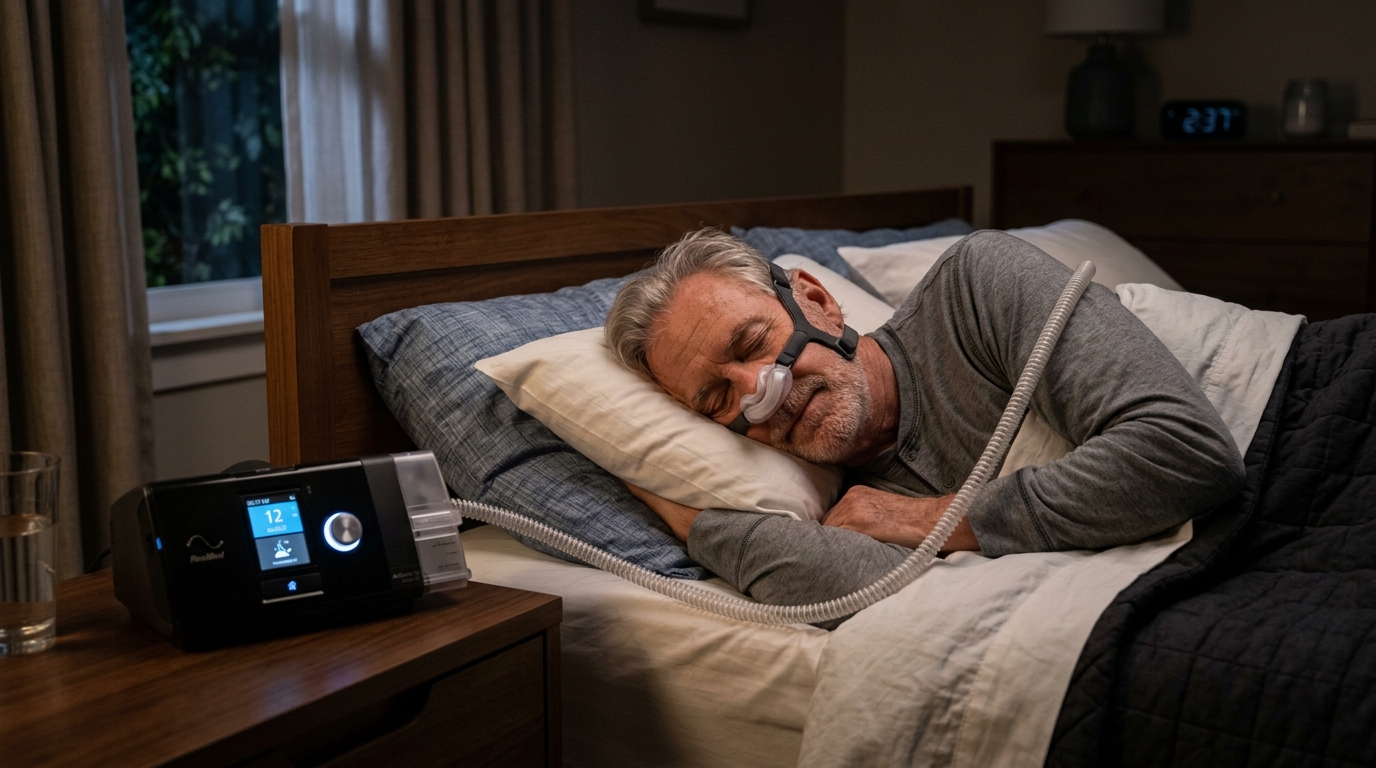
Sleep Apnea in Seniors: Signs, Risks, and Treatments
Getting a good night's sleep becomes even more crucial as we age. It's when our bodies repair themselves, consolidate memories, and prepare us for the day ahead. But for many seniors, a restful night is disrupted by a common yet often overlooked condition: sleep apnea. This article will explore sleep apnea in seniors, covering its signs, risks, and effective treatments.
What is Sleep Apnea?
Sleep apnea is a sleep disorder characterized by pauses in breathing or shallow breaths during sleep. These pauses can occur multiple times per hour, disrupting sleep and reducing oxygen flow to the brain and body. The most common type, obstructive sleep apnea (OSA), happens when the muscles in the back of your throat relax, causing the airway to narrow or close. According to the National Institutes of Health (NIH), sleep apnea affects millions of Americans, and its prevalence increases with age.
Types of Sleep Apnea
- Obstructive Sleep Apnea (OSA): The most common type, caused by a blockage of the airway.
- Central Sleep Apnea (CSA): Less common, occurs when the brain doesn't send proper signals to the muscles that control breathing.
- Mixed Sleep Apnea: A combination of both OSA and CSA.
Why is Sleep Apnea More Common in Seniors?
Several factors contribute to the increased prevalence of sleep apnea in older adults:
- Age-Related Muscle Weakness: As we age, the muscles in our throat and upper airway can weaken, making them more prone to collapse during sleep.
- Increased Prevalence of Underlying Conditions: Conditions like heart failure, stroke, and Parkinson's disease, which are more common in seniors, can increase the risk of central sleep apnea, according to the Mayo Clinic.
- Medications: Certain medications, such as sedatives and pain relievers, can relax throat muscles and suppress breathing, exacerbating sleep apnea.
- Weight Gain: While not exclusive to seniors, weight gain, which is common with aging, can increase the risk of OSA due to increased fatty tissue around the neck.
Recognizing the Signs of Sleep Apnea
Identifying sleep apnea can be challenging as many symptoms occur during sleep. However, being aware of the signs is the first step toward diagnosis and treatment.
Common Symptoms
- Loud Snoring: Often the most noticeable symptom, although not everyone who snores has sleep apnea.
- Gasping or Choking During Sleep: These episodes often wake the person up, but they may not remember them.
- Daytime Sleepiness: Excessive fatigue and difficulty concentrating during the day.
- Morning Headaches: Often caused by reduced oxygen levels during the night.
- Dry Mouth or Sore Throat: Resulting from mouth breathing during sleep.
- Difficulty Concentrating: Sleep deprivation can impair cognitive function.
- Irritability and Mood Changes: Disrupted sleep can affect mood regulation.
- Frequent Nighttime Urination: Sleep apnea can disrupt hormone balance, leading to increased urination.
The Risks of Untreated Sleep Apnea in Seniors
Leaving sleep apnea untreated can have serious health consequences, especially for seniors. Harvard Medical School research shows a strong link between sleep apnea and several chronic conditions.
Potential Health Complications
- Cardiovascular Problems: Increased risk of high blood pressure, heart attack, stroke, and atrial fibrillation.
- Cognitive Decline: Sleep apnea can contribute to memory problems and an increased risk of dementia.
- Increased Risk of Accidents: Daytime sleepiness can impair driving ability and increase the risk of falls.
- Metabolic Issues: Sleep apnea is linked to insulin resistance and an increased risk of type 2 diabetes.
- Worsened Existing Conditions: Sleep apnea can exacerbate other health problems, such as COPD and heart failure.
Diagnosis and Treatment Options
If you suspect you have sleep apnea, it's crucial to consult with your doctor. They may recommend a sleep study to confirm the diagnosis and determine the severity of the condition.
Diagnostic Tests
- Polysomnography (PSG): A comprehensive sleep study conducted in a sleep lab, monitoring brain waves, heart rate, breathing, and oxygen levels.
- Home Sleep Apnea Test (HSAT): A simplified test that can be done at home to measure breathing patterns and oxygen levels.
Treatment Options
- Continuous Positive Airway Pressure (CPAP): The most common and effective treatment for OSA, involving wearing a mask that delivers pressurized air to keep the airway open.
- Oral Appliances: Custom-fitted mouthpieces that reposition the jaw or tongue to prevent airway obstruction.
- Lifestyle Changes: Weight loss, avoiding alcohol and sedatives before bed, and sleeping on your side can help reduce symptoms.
- Surgery: In some cases, surgery may be an option to remove excess tissue in the throat or correct structural abnormalities. According to the Cleveland Clinic, surgical options are considered when other treatments are not effective.
- Adaptive Servo-Ventilation (ASV): A type of therapy used for central sleep apnea, which adjusts the pressure of the air delivered based on your breathing patterns.
Practical Tips for Better Sleep
In addition to medical treatments, several lifestyle adjustments can improve sleep quality and reduce sleep apnea symptoms:
- Maintain a Regular Sleep Schedule: Go to bed and wake up at the same time each day, even on weekends.
- Create a Relaxing Bedtime Routine: Take a warm bath, read a book, or listen to calming music before bed.
- Optimize Your Sleep Environment: Make sure your bedroom is dark, quiet, and cool.
- Avoid Caffeine and Alcohol Before Bed: These substances can interfere with sleep.
- Exercise Regularly: Physical activity can improve sleep quality, but avoid exercising too close to bedtime.
- Sleep on Your Side: This can help prevent the tongue and soft palate from collapsing into the airway.
Key Takeaways
- Sleep apnea is a common sleep disorder in seniors, characterized by pauses in breathing during sleep.
- Symptoms include loud snoring, daytime sleepiness, and morning headaches.
- Untreated sleep apnea can lead to serious health problems, including cardiovascular disease and cognitive decline.
- Diagnosis involves a sleep study, and treatment options include CPAP therapy, oral appliances, and lifestyle changes.
- Simple lifestyle adjustments like maintaining a regular sleep schedule and avoiding alcohol before bed can improve sleep quality.
Don't let sleep apnea steal your vitality. If you suspect you may have this condition, talk to your doctor. A good night's sleep is essential for a healthy and fulfilling life.
Want to learn more about improving your sleep and overall well-being? Explore our other articles on SeniorVitalityHub.blog today!

Comments