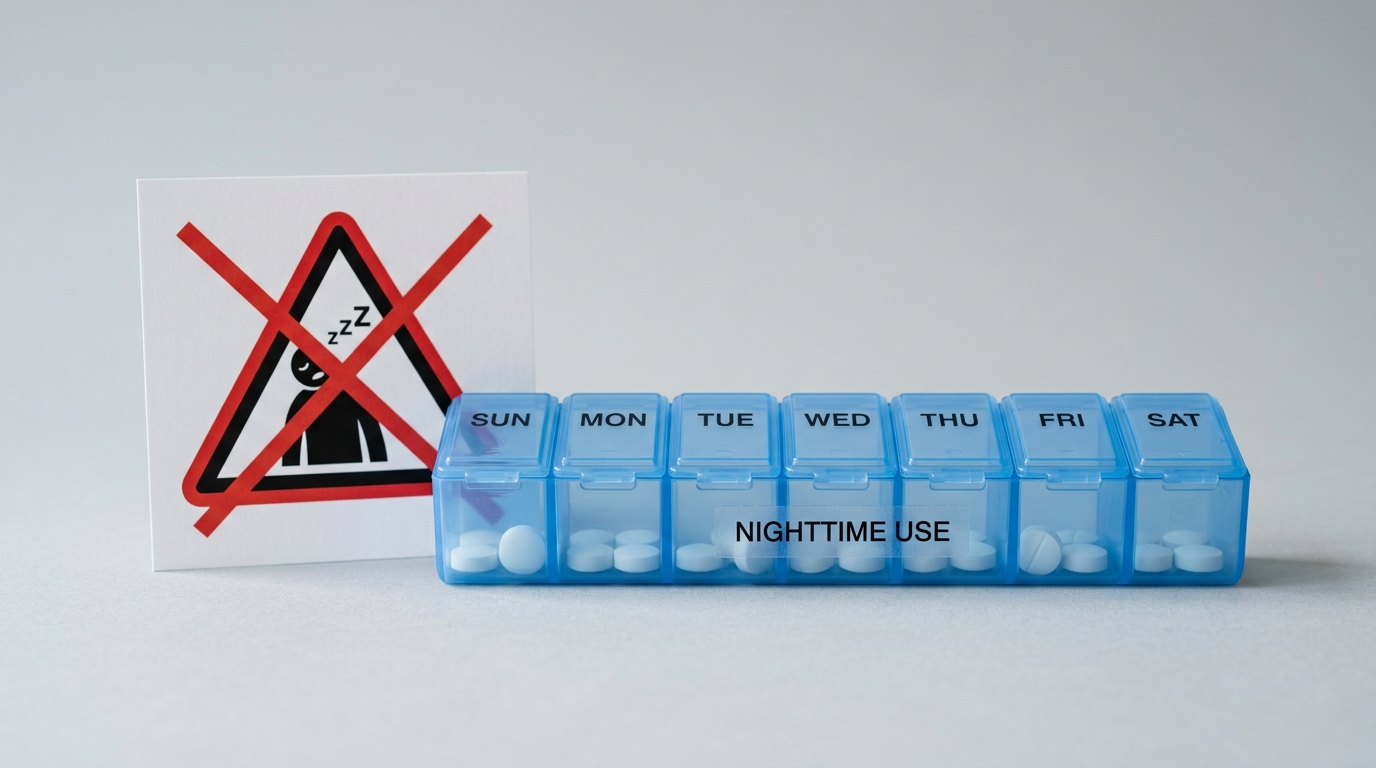
The Hidden Reality of Sleep Aids in Later Life
As we age, our sleep patterns naturally shift. You might find yourself waking up earlier, experiencing more fragmented rest, or simply feeling that the deep, restorative slumber of your youth has become elusive. It is tempting to turn to a pill for a quick fix, but for those of us over 60, the conversation around sleep medication is far more nuanced—and concerning—than a quick prescription pad signature might suggest.
Why Your Body Processes Sleep Meds Differently
The primary reason doctors often caution against long-term use of sedative-hypnotics (like Ambien or Lunesta) and benzodiazepines is physiological. As we age, our metabolism slows, and our body composition changes. According to the Mayo Clinic, seniors are significantly more sensitive to the effects of sleep medications because the drugs stay in the system longer, leading to increased risk of cognitive impairment, daytime grogginess, and dangerous falls.
The Fall Risk Factor
Perhaps the most overlooked danger is the impact on balance. A 2022 study published in JAMA Internal Medicine highlighted that the use of sedative sleep aids is strongly associated with an increased risk of hip fractures in older adults. Even if you feel 'awake' by morning, the drug may still be affecting your reaction time and coordination, turning a simple trip to the bathroom at night into a life-altering event.
What Doctors Often Leave Out
Many patients feel that if a doctor prescribed it, it must be safe for long-term use. However, clinical guidelines, including those from the American Geriatrics Society, explicitly recommend avoiding many common sleep medications for older adults whenever possible. These drugs can mask underlying issues like sleep apnea, restless leg syndrome, or anxiety—conditions that require targeted treatment rather than a sedative 'blanket' that suppresses your natural sleep architecture.
Key Takeaways
- Consult Before You Cut: Never stop a sleep medication cold turkey; always work with your doctor to taper off slowly.
- Identify the Root Cause: Sleep issues are often symptoms of other health conditions, such as chronic pain, acid reflux, or medication side effects.
- Prioritize Sleep Hygiene: Simple environmental changes, like room temperature and light exposure, often yield better results than pills.
- Cognitive Behavioral Therapy (CBT-I): The National Institutes of Health (NIH) considers CBT-I the gold-standard 'first-line' treatment for chronic insomnia, often outperforming medication in the long run.
Actionable Steps You Can Take Today
You don't have to settle for poor sleep, but you should look for solutions that support your long-term health rather than jeopardize it. Here is how you can start reclaiming your rest:
1. Audit Your Environment
Your bedroom should be a sanctuary. Keep it cool (around 65-68°F) and completely dark. If you have a TV in the bedroom, consider moving it to another room to help your brain associate the bed strictly with sleep.
2. The Power of Morning Light
Harvard Medical School research shows that exposure to bright, natural light within an hour of waking helps set your circadian rhythm. Try to sit by a window or take a brief walk outside as soon as you start your day.
3. Limit Stimulants
Caffeine has a surprisingly long half-life. If you are struggling with sleep, aim to stop all caffeine intake by noon. Similarly, while a 'nightcap' might make you feel drowsy, alcohol actually degrades the quality of your deep sleep, leading to more wake-ups in the early morning hours.
4. Discuss CBT-I with Your Provider
Ask your doctor specifically about Cognitive Behavioral Therapy for Insomnia (CBT-I). Many health systems now offer digital versions or referrals to specialists who can teach you techniques to quiet a busy mind without relying on pharmaceuticals.
Your sleep is a pillar of your longevity. By moving away from quick-fix medications and toward science-backed lifestyle adjustments, you aren't just getting better rest—you are protecting your cognitive sharpness and physical stability for years to come.
Are you looking for more ways to optimize your health after 60? Explore our other articles on Nutrition for Longevity and Safe Movement Practices to continue your journey toward vibrant aging.

Comments