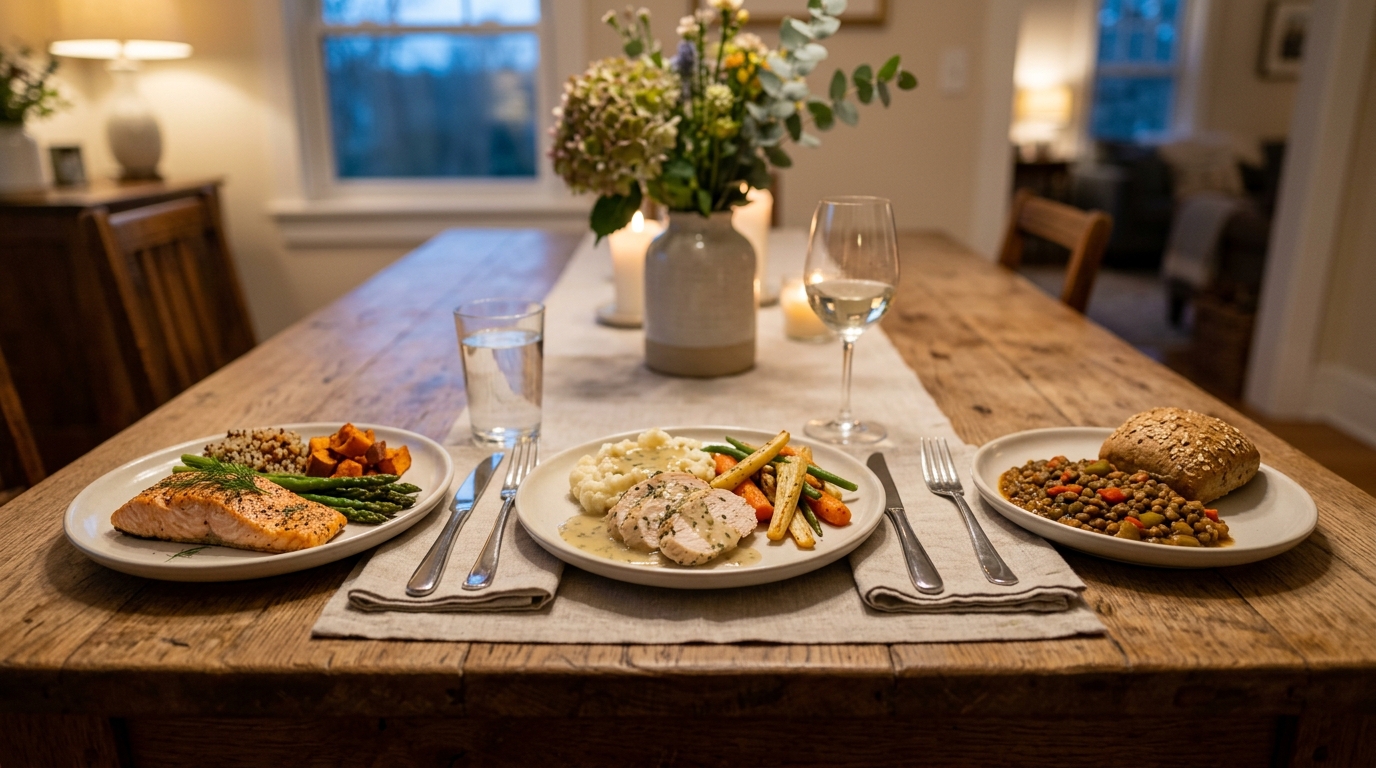
As we gracefully navigate our golden years, our bodies change, and so do our nutritional needs. One common question that arises is: are small meals better than big meals for seniors? The answer, like many things in life, isn't a simple yes or no. It depends on individual circumstances, health conditions, and lifestyle factors. Let's delve into the pros and cons of each approach to help you make informed choices for a healthier, happier you.
Understanding the Aging Body and Nutrition
Before we dive into the specifics of meal size, it's crucial to understand how aging affects our bodies and nutritional requirements. Several key changes occur as we get older:
Slower Metabolism
Our metabolism naturally slows down with age. This means we burn fewer calories at rest and during activity. This slowdown can contribute to weight gain if dietary habits aren't adjusted accordingly. The National Institute on Aging (NIA) emphasizes the importance of adjusting calorie intake to match decreased metabolic rates.
Reduced Appetite and Satiety
Many seniors experience a decrease in appetite and a feeling of fullness sooner during meals. This can be due to various factors, including changes in taste and smell, medications, and underlying health conditions. A study published in the Journal of the American Geriatrics Society found that diminished appetite is a common concern among older adults, potentially leading to malnutrition.
Decreased Nutrient Absorption
The body's ability to absorb certain nutrients, such as vitamin B12, calcium, and vitamin D, can decline with age. This can increase the risk of deficiencies, even with a seemingly adequate diet. The NIH recommends regular monitoring of nutrient levels and supplementation when necessary.
Changes in Digestive Function
Digestive issues like constipation, bloating, and acid reflux become more common as we age. These can impact comfort after eating and influence meal preferences.
The Case for Small, Frequent Meals
For many seniors, opting for smaller, more frequent meals throughout the day offers several advantages:
Improved Digestion
Smaller portions are generally easier to digest. This can alleviate symptoms like bloating, indigestion, and heartburn, which are common complaints among older adults. By not overloading the digestive system, the body can process food more efficiently.
Better Blood Sugar Control
Eating small meals at regular intervals can help stabilize blood sugar levels, which is particularly beneficial for individuals with diabetes or insulin resistance. According to the American Diabetes Association, consistent meal timing and portion control are essential for managing blood glucose effectively.
Increased Nutrient Absorption
When the body isn't overwhelmed with a large volume of food, it can better absorb the nutrients from each meal. This is especially important for seniors who may already have compromised nutrient absorption capabilities.
Sustained Energy Levels
Instead of experiencing energy crashes after large meals, small, frequent meals provide a steady stream of energy throughout the day. This can improve overall mood, focus, and physical performance.
Easier Weight Management
By preventing extreme hunger, smaller meals can help control overall calorie intake and prevent overeating at any one sitting. This can be a helpful strategy for maintaining a healthy weight.
The Case for Larger, Less Frequent Meals
While small meals are often recommended, larger, less frequent meals can also be a viable option for some seniors, especially if they have specific lifestyle or health considerations:
Convenience and Socialization
For some, preparing and consuming multiple small meals throughout the day can be burdensome. Larger, less frequent meals may be more convenient and fit better into their daily routines. Furthermore, sharing larger meals with family or friends can be an important social activity.
Improved Appetite Stimulation
Some seniors find that a larger meal is more appealing and stimulating to their appetite than several smaller ones. This can be especially helpful for those struggling with appetite loss or unintentional weight loss. A more substantial meal might provide the necessary sensory stimulation to encourage eating.
Potential for Increased Protein Intake
Meeting protein needs can be a challenge for seniors. Focusing on larger, protein-rich meals can ensure adequate intake of this essential nutrient, which is crucial for maintaining muscle mass and overall health. Harvard Medical School recommends that older adults prioritize protein consumption to combat age-related muscle loss (sarcopenia).
Reduced Snacking
Well-balanced larger meals can potentially reduce the urge to snack on less nutritious foods between meals. This can contribute to a healthier overall diet by limiting the intake of processed foods, sugary snacks, and unhealthy fats.
Making the Right Choice for You
Ultimately, the best approach to meal size and frequency is highly individual. Consider these factors when making your decision:
* Your Health Conditions: If you have diabetes, acid reflux, or other digestive issues, small, frequent meals may be more beneficial. Consult your doctor or a registered dietitian for personalized recommendations. * Your Appetite and Eating Habits: Pay attention to your body's signals. If you find it difficult to eat large meals or experience discomfort afterward, opt for smaller portions. * Your Lifestyle: Consider your daily routine, cooking abilities, and social activities. Choose a meal pattern that is sustainable and enjoyable for you. * Medications: Some medications can affect appetite or digestion. Discuss any potential interactions with your doctor or pharmacist.Practical Tips for Seniors
Here are some actionable tips to help you optimize your meal patterns:
* Plan Your Meals: Whether you choose small or large meals, planning ahead can ensure you're getting a balanced and nutritious diet. The AARP offers resources and meal planning templates specifically for seniors. * Listen to Your Body: Pay attention to your hunger and fullness cues. Eat when you're hungry and stop when you're satisfied, regardless of the meal size. * Stay Hydrated: Drink plenty of water throughout the day to aid digestion and prevent constipation. * Focus on Nutrient-Dense Foods: Choose foods that are packed with vitamins, minerals, and antioxidants, such as fruits, vegetables, lean proteins, and whole grains. * Don't Be Afraid to Experiment: Try different meal patterns and see what works best for you. There's no one-size-fits-all solution.Key Takeaways
- Small, frequent meals can improve digestion, blood sugar control, and nutrient absorption for some seniors.
- Larger, less frequent meals may be more convenient and can stimulate appetite in others.
- Individual health conditions, lifestyle, and eating habits should guide meal planning decisions.
- Prioritize nutrient-dense foods and stay hydrated regardless of meal size or frequency.
- Consult with a healthcare professional or registered dietitian for personalized advice.
Finding the right meal pattern is a journey of self-discovery. By understanding your body's needs and preferences, you can create a sustainable and enjoyable eating plan that supports your health and well-being in your senior years.
Want to learn more about healthy eating for seniors? Explore our other articles on SeniorVitalityHub.blog for more tips and advice!

Comments