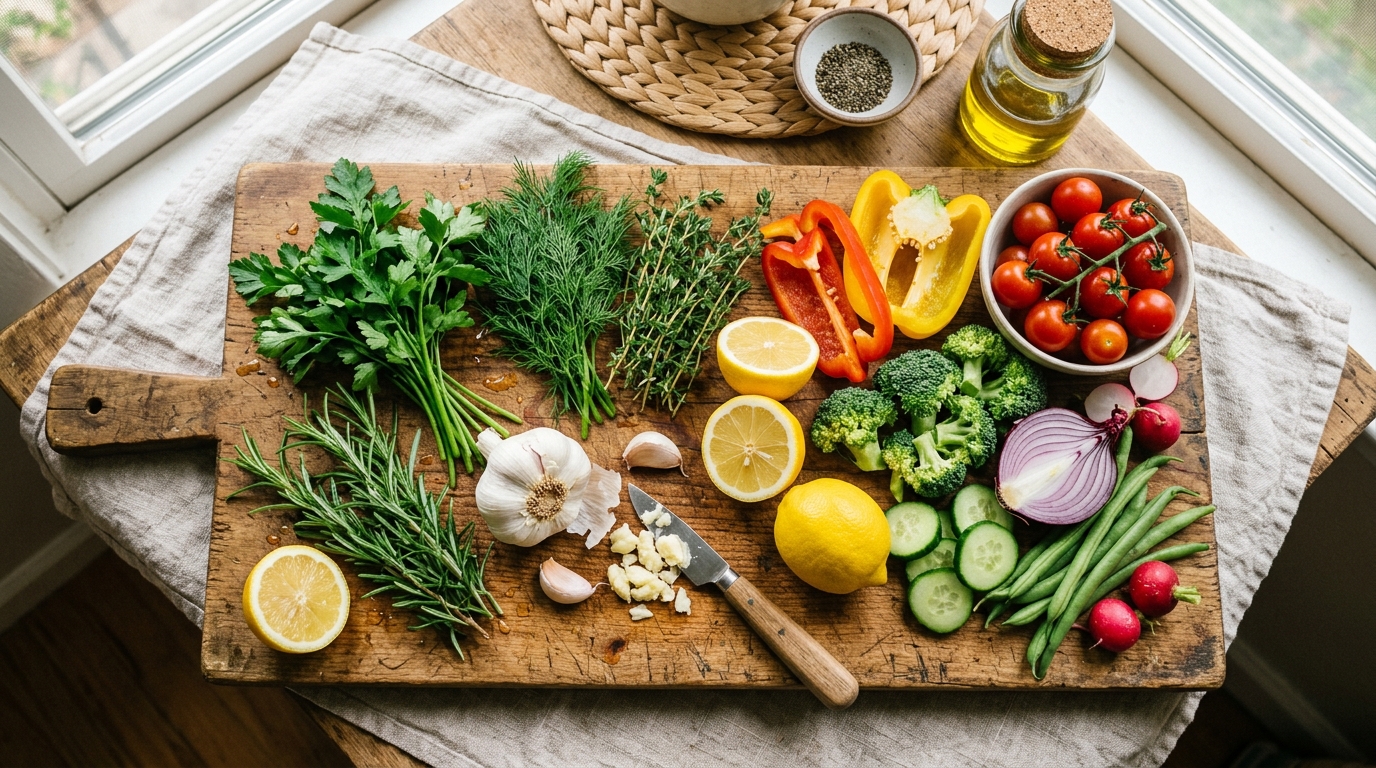
As we navigate our golden years, our bodies undergo subtle shifts in how they process nutrients. One of the most critical adjustments for heart health is managing our sodium intake. If you find that your favorite dishes have started to taste a bit bland, or if your doctor has suggested a lower-salt diet, you aren't alone. Reducing sodium doesn't mean sacrificing the joy of a delicious meal; it simply means upgrading your culinary toolkit.
Understanding Sodium's Role After 60
Why does sodium matter more as we age? According to the Mayo Clinic, as we get older, our blood vessels naturally become less flexible, making us more susceptible to the effects of high blood pressure. Excess sodium causes the body to hold onto extra water, which puts additional strain on our heart and circulatory system. By lowering our salt intake, we can significantly ease this burden and support long-term cardiovascular resilience.
The Hidden Sources of Salt
Most of the sodium in our diet doesn't come from the salt shaker on our kitchen table. Instead, it is often hidden in processed foods, canned goods, and restaurant meals. Harvard Medical School research indicates that approximately 70% of sodium intake comes from processed and prepared foods, rather than home cooking. Being a savvy label reader is your first line of defense.
Strategies for Flavor Without the Salt
Reducing sodium is an opportunity to rediscover the vibrant flavors of real food. When you stop relying on salt to do the heavy lifting, you begin to taste the natural sweetness of vegetables, the earthiness of grains, and the depth of high-quality proteins.
1. Embrace Fresh Herbs and Spices
Instead of reaching for the salt, reach for the herb garden. Fresh cilantro, parsley, basil, and rosemary add a brightness to meals that salt simply cannot replicate. For a deeper, savory profile, utilize spices like smoked paprika, cumin, turmeric, and garlic powder. A 2021 study published by the National Institutes of Health (NIH) suggests that using herbs and spices can significantly increase the palatability of low-sodium diets, making the transition much easier for older adults.
2. The Power of Acids
Often, a dish that tastes "flat" isn't lacking salt—it's lacking acid. A squeeze of fresh lemon or lime juice, or a splash of high-quality balsamic vinegar, can "wake up" a meal instantly. Acid provides a sharp, clean flavor profile that brightens vegetables and cuts through the richness of meats, often making the absence of salt go completely unnoticed.
3. Try the "Rinse and Drain" Method
If you rely on canned beans or vegetables for convenience, you can reduce their sodium content by up to 40% just by rinsing them thoroughly under cold water before cooking. This simple, five-second step is one of the easiest ways to control your intake without giving up your pantry staples.
What the Science Says
Transitioning to a heart-healthy diet is a journey, not a sprint. Research from the Cleveland Clinic highlights that even a moderate reduction in sodium intake can lead to a measurable drop in blood pressure within just a few weeks. Consistency is far more important than perfection. By making small adjustments—like choosing "no salt added" versions of your favorite canned tomatoes or opting for low-sodium broths—you are actively investing in your future vitality.
Key Takeaways
- Read labels carefully: Look for "low sodium" or "no salt added" on packaging, and always check the serving size.
- Prioritize fresh ingredients: Whole foods like fresh produce, lean meats, and legumes are naturally low in sodium.
- Use acid as a flavor enhancer: Keep lemons, limes, and various vinegars on hand to brighten your dishes.
- Experiment with spices: Build a spice rack filled with aromatics like garlic, onion powder, and smoked paprika to replace salt.
- Rinse your canned goods: Always rinse canned beans and vegetables to remove excess sodium brine.
A Final Note on Your Journey
Remember, your palate is adaptable. If you gradually reduce your salt intake, your taste buds will adjust, and you will find yourself enjoying the natural flavors of food more than ever before. Start today by swapping out one high-sodium item in your pantry for a lower-sodium alternative. Your heart will thank you for it.
Ready to take the next step in your health journey? Explore our other articles on Heart-Healthy Meal Planning and Simple Exercises for Longevity to keep your vitality at its peak.

Comments