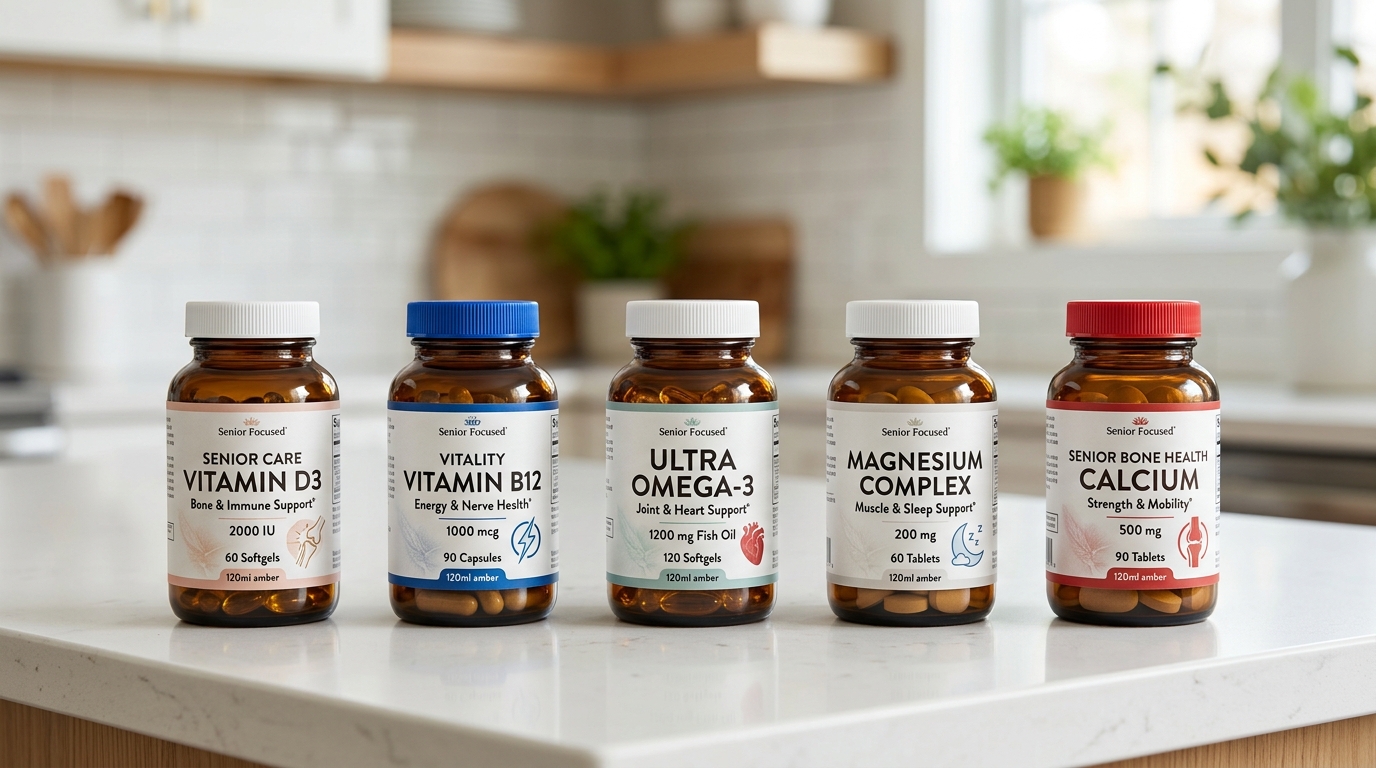
As we gracefully journey through our 60s and beyond, our bodies' needs evolve. Maintaining vitality requires a multifaceted approach, including a balanced diet, regular exercise, and, for many, strategic supplementation. It's important to remember that supplements are designed to *complement* a healthy lifestyle, not replace it. Always consult your doctor before starting any new supplement regimen, especially if you have existing health conditions or are taking medications.
The Foundation: Why Supplements Matter After 60
Why are supplements often recommended for older adults? Several factors contribute to this:
- Decreased Nutrient Absorption: As we age, our digestive systems may become less efficient at absorbing nutrients from food.
- Changes in Appetite and Diet: Some seniors experience reduced appetite or difficulty preparing nutritious meals, leading to dietary deficiencies.
- Increased Risk of Chronic Diseases: Certain health conditions become more prevalent with age, and some supplements may play a supportive role in managing these conditions.
- Medication Interactions: Some medications can interfere with nutrient absorption or increase nutrient excretion.
The Top 5 Supplements for a Vibrant Life After 60
Here are five supplements that many experts recommend for adults over 60, backed by scientific research:
1. Vitamin D: The Sunshine Vitamin
Vitamin D is crucial for bone health, immune function, and muscle strength. According to the National Institutes of Health (NIH), many older adults are deficient in vitamin D, as our skin becomes less efficient at producing it from sunlight as we age. Furthermore, many seniors spend more time indoors, limiting sun exposure. A 2023 study published in the Journal of the American Geriatrics Society found that vitamin D supplementation reduced the risk of falls in older adults. The recommended daily intake varies, but many doctors suggest 800-2000 IU per day for those over 60. A simple blood test can determine your vitamin D levels.
Actionable Tip: Ask your doctor to check your vitamin D levels at your next appointment. Consider incorporating vitamin D-rich foods like fatty fish (salmon, tuna) and fortified milk into your diet.
2. Calcium: Building Strong Bones
Calcium is essential for maintaining strong bones and preventing osteoporosis. As we age, bone density naturally declines, making us more susceptible to fractures. The Mayo Clinic recommends that women over 50 consume 1200 mg of calcium daily, and men over 70 should aim for the same amount. However, it's crucial to obtain calcium from both diet and supplements, as high doses of calcium supplements may increase the risk of heart problems in some individuals.
Actionable Tip: Include calcium-rich foods like dairy products, leafy green vegetables (kale, spinach), and fortified foods in your daily meals. Consider a calcium supplement if you struggle to meet your daily needs through diet alone.
3. Vitamin B12: Nerve and Blood Cell Health
Vitamin B12 is vital for nerve function, red blood cell formation, and DNA synthesis. B12 deficiency is common in older adults due to decreased stomach acid production, which is necessary for absorbing B12 from food. Harvard Medical School research indicates that many seniors don't produce enough stomach acid to properly absorb B12. Symptoms of B12 deficiency include fatigue, weakness, and cognitive problems. Supplementation is often recommended, especially in the form of methylcobalamin, which is easily absorbed.
Actionable Tip: If you experience symptoms like fatigue or cognitive issues, talk to your doctor about getting your B12 levels checked. Consider a B12 supplement, especially if you are a vegetarian or vegan.
4. Omega-3 Fatty Acids: Heart and Brain Boost
Omega-3 fatty acids, particularly EPA and DHA found in fish oil, are beneficial for heart health, brain function, and reducing inflammation. A large meta-analysis published in the Journal of the American Heart Association in 2021 showed that omega-3 supplementation was associated with a reduced risk of cardiovascular events. Omega-3s may also help improve cognitive function and reduce the risk of age-related cognitive decline. The American Heart Association recommends eating fish (particularly fatty fish) at least twice a week. If you don't eat fish regularly, consider an omega-3 supplement.
Actionable Tip: Aim to eat at least two servings of fatty fish per week. If you don't like fish, consider taking a fish oil supplement or an algae-based omega-3 supplement (suitable for vegetarians and vegans).
5. Magnesium: Muscle and Nerve Function
Magnesium is involved in hundreds of biochemical reactions in the body, including muscle and nerve function, blood sugar control, and blood pressure regulation. Many older adults are deficient in magnesium due to decreased intake and increased excretion. Low magnesium levels can contribute to muscle cramps, fatigue, and heart problems. According to the Cleveland Clinic, magnesium deficiency is often overlooked in older adults. Magnesium citrate and magnesium glycinate are generally well-absorbed forms of magnesium supplements.
Actionable Tip: Include magnesium-rich foods like dark leafy greens, nuts, seeds, and whole grains in your diet. If you experience muscle cramps or other symptoms of magnesium deficiency, talk to your doctor about supplementation.
Key Takeaways
- Supplements should complement a healthy lifestyle, not replace it.
- Vitamin D is crucial for bone health and immune function; many seniors are deficient.
- Calcium is essential for maintaining strong bones; aim for 1200 mg daily.
- Omega-3 fatty acids support heart and brain health; eat fatty fish or consider a supplement.
- Magnesium is important for muscle and nerve function; include magnesium-rich foods in your diet.
Important Considerations
Before starting any new supplement, consult with your healthcare provider. They can assess your individual needs, consider any existing health conditions or medications you're taking, and recommend the appropriate dosages. Be aware that supplements are not always regulated as strictly as medications, so choose reputable brands that have been third-party tested for quality and purity.
Navigating the world of supplements can feel overwhelming, but by focusing on these five key nutrients and working closely with your doctor, you can take proactive steps toward maintaining your health and vitality as you age.
Ready for more insights? Explore our other articles on SeniorVitalityHub.blog for tips on healthy aging, nutrition, and fitness!

Comments