As we age, our bodies undergo many changes, and inflammation can become a more significant concern. Chronic inflammation is linked to a variety of age-related conditions, including arthritis, heart disease, Alzheimer's disease, and even some cancers. Fortunately, adopting an anti-inflammatory diet can be a powerful tool in managing inflammation and promoting overall well-being in your senior years. This guide will provide you with practical steps to incorporate anti-inflammatory foods into your daily life, helping you feel your best.
Understanding Inflammation
Inflammation is a natural process. It's the body's way of responding to injury or infection. However, when inflammation becomes chronic, it can wreak havoc on your health. According to the National Institutes of Health (NIH), chronic inflammation can damage tissues and organs over time. This is why managing inflammation through diet and lifestyle is so crucial, especially as we get older.
Acute vs. Chronic Inflammation
It's important to distinguish between acute and chronic inflammation. Acute inflammation is a short-term response to a specific injury or illness, like a cut or a cold. Chronic inflammation, on the other hand, is a long-term, low-grade inflammation that can persist for months or even years. It’s this chronic inflammation that’s the real concern.
The Role of Diet
Diet plays a significant role in both triggering and combating inflammation. Certain foods can promote inflammation, while others can help to reduce it. An anti-inflammatory diet focuses on minimizing the intake of pro-inflammatory foods and maximizing the consumption of anti-inflammatory ones.
Foods to Embrace: Your Anti-Inflammatory Arsenal
Let's dive into the delicious world of anti-inflammatory foods. These foods are packed with nutrients and antioxidants that can help keep inflammation at bay.
Fruits and Vegetables: Nature's Medicine
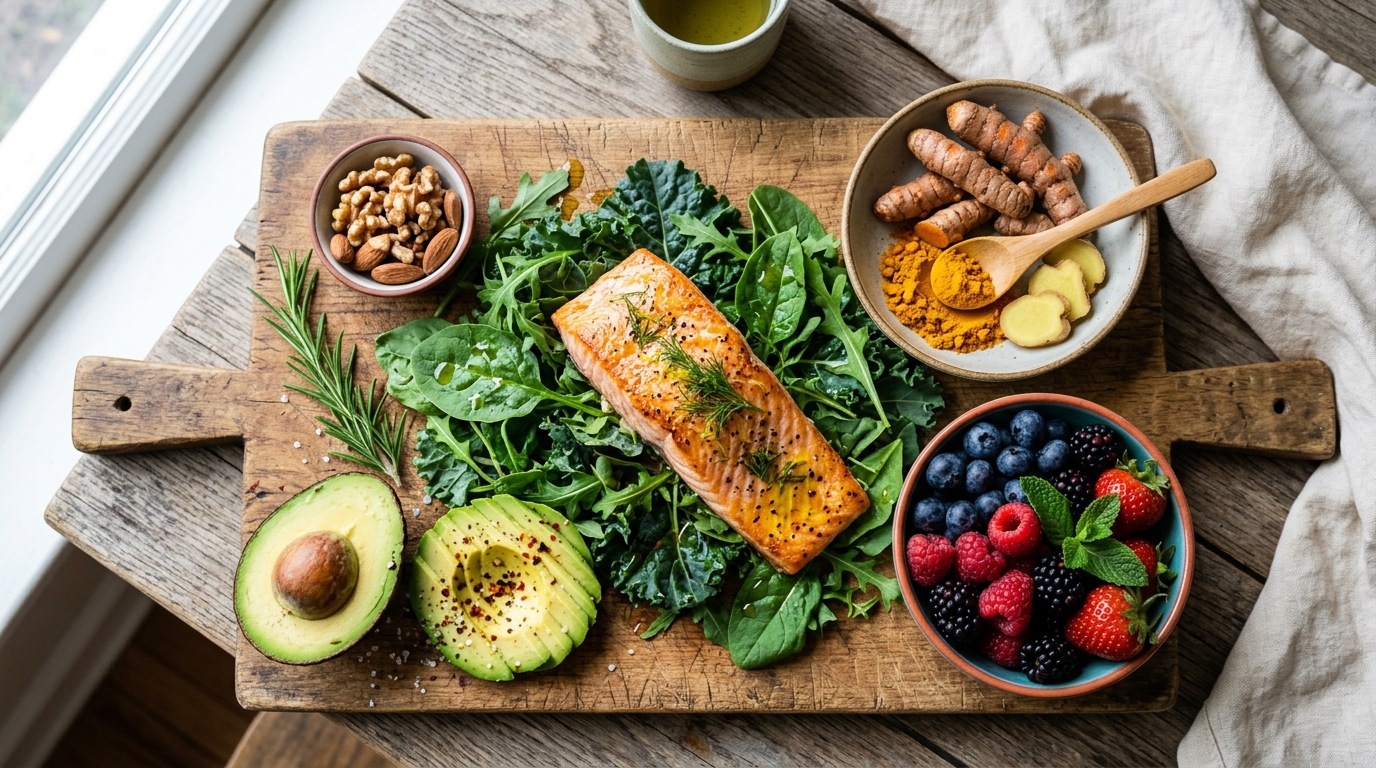
Fruits and vegetables are nutritional powerhouses, loaded with vitamins, minerals, and antioxidants. Berries, such as blueberries, strawberries, and raspberries, are particularly rich in antioxidants called anthocyanins, which have potent anti-inflammatory effects. Leafy green vegetables, like spinach, kale, and collard greens, are also excellent choices, providing vitamins, minerals, and fiber. According to Harvard Medical School, a diet rich in fruits and vegetables is a cornerstone of any anti-inflammatory eating plan.
Healthy Fats: The Good Kind
Not all fats are created equal. Healthy fats, such as those found in fatty fish (salmon, tuna, mackerel), avocados, nuts, and seeds, can actually help to reduce inflammation. Omega-3 fatty acids, abundant in fatty fish, have been shown to have significant anti-inflammatory properties. A study published in the *American Journal of Clinical Nutrition* found that increased omega-3 intake was associated with lower levels of inflammatory markers.
Whole Grains: Choose Wisely
Opt for whole grains like brown rice, quinoa, and oats over refined grains like white bread and white rice. Whole grains are higher in fiber, which can help to regulate blood sugar levels and reduce inflammation. Fiber also promotes a healthy gut microbiome, which plays a crucial role in overall health and inflammation. The Mayo Clinic recommends including a variety of whole grains in your diet for optimal health benefits.
Spices and Herbs: Flavor with Benefits
Don't underestimate the power of spices and herbs. Turmeric, ginger, garlic, and cinnamon are just a few examples of spices with potent anti-inflammatory properties. Turmeric, in particular, contains curcumin, a compound with powerful antioxidant and anti-inflammatory effects. Consider adding these to your dishes generously for added flavor and health benefits.
Foods to Limit or Avoid: The Inflammation Triggers
Just as some foods fight inflammation, others can promote it. Limiting or avoiding these foods can make a big difference in your overall health.
Processed Foods: The Culprit
Processed foods, such as fast food, packaged snacks, and sugary drinks, are often high in unhealthy fats, sugar, and artificial additives. These ingredients can trigger inflammation in the body. The Cleveland Clinic advises minimizing the consumption of processed foods to reduce inflammation and improve overall health.
Refined Carbohydrates: Empty Calories
Refined carbohydrates, like white bread, white rice, and pastries, can cause rapid spikes in blood sugar levels, which can contribute to inflammation. Choose whole grains over refined carbohydrates whenever possible.
Sugary Drinks: Liquid Calories
Sugary drinks, like soda, juice, and sweetened beverages, are high in sugar and can contribute to inflammation and weight gain. Limit your intake of these drinks and opt for water, unsweetened tea, or infused water instead.
Red and Processed Meats: Moderation is Key
While lean protein is an important part of a healthy diet, red and processed meats can contribute to inflammation. Limit your intake of these meats and choose leaner protein sources, such as fish, poultry, beans, and lentils.
Practical Tips for Implementing an Anti-Inflammatory Diet
Now that you know what to eat and what to avoid, here are some practical tips for incorporating an anti-inflammatory diet into your daily life:
- Start small: Don't try to overhaul your entire diet overnight. Start by making small changes, such as adding a serving of berries to your breakfast or swapping white bread for whole-grain bread.
- Plan your meals: Planning your meals in advance can help you make healthier choices and avoid impulse decisions.
- Read labels: Pay attention to the ingredients list and nutrition facts label on packaged foods. Avoid foods that are high in sugar, unhealthy fats, and artificial additives.
- Cook at home: Cooking at home allows you to control the ingredients and portion sizes of your meals.
- Stay hydrated: Drink plenty of water throughout the day to help flush out toxins and reduce inflammation.
Key Takeaways
- Chronic inflammation is linked to many age-related diseases.
- An anti-inflammatory diet focuses on eating foods that reduce inflammation and avoiding foods that promote it.
- Fruits, vegetables, healthy fats, whole grains, and spices are all key components of an anti-inflammatory diet.
- Processed foods, refined carbohydrates, sugary drinks, and red/processed meats should be limited or avoided.
- Small, gradual changes can make a big difference in your overall health.
Adopting an anti-inflammatory diet is a powerful way to support your health and well-being as you age. By making informed food choices and incorporating these tips into your daily life, you can reduce inflammation, boost your energy levels, and enjoy a healthier, more vibrant life.
Ready to learn more? Check out our other articles on nutrition and healthy living for seniors on SeniorVitalityHub.blog!

Comments