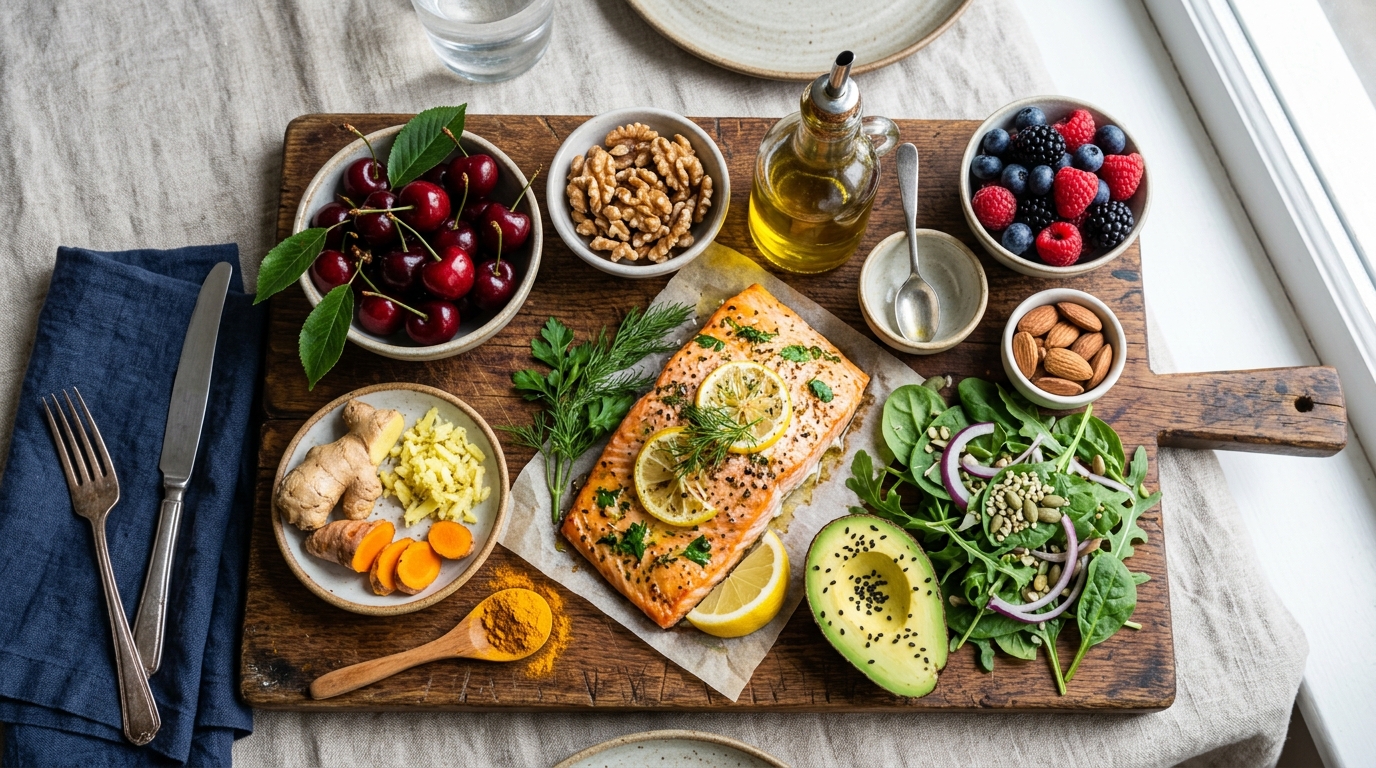
Arthritis, affecting millions of adults aged 60 and over, can significantly impact daily life. While there’s no cure, managing symptoms like pain, stiffness, and swelling is possible. One powerful tool in your arsenal? Your diet. Certain foods possess potent anti-inflammatory properties that can help ease arthritis discomfort and improve your overall well-being.
Understanding Inflammation and Arthritis
Inflammation is a natural process where your body responds to injury or infection. However, in arthritis, the inflammatory response becomes chronic and misdirected, attacking joint tissues. This leads to pain, swelling, and eventual joint damage. There are many types of arthritis, with osteoarthritis (OA) and rheumatoid arthritis (RA) being the most common. OA is often related to wear and tear, while RA is an autoimmune disease.
How Diet Helps
Diet plays a crucial role in managing inflammation. Some foods promote inflammation, while others combat it. By incorporating anti-inflammatory foods into your daily meals, you can help reduce inflammation levels in your body, potentially alleviating arthritis symptoms. The good news is, you don't need drastic changes. Small, consistent dietary adjustments can make a significant difference.
Top Anti-Inflammatory Foods for Arthritis
Here are some of the best anti-inflammatory foods to incorporate into your diet for arthritis relief:
1. Fatty Fish
Salmon, tuna, mackerel, and sardines are rich in omega-3 fatty acids. These essential fats have potent anti-inflammatory effects. Omega-3s help reduce the production of inflammatory chemicals in the body. A study published in the journal Arthritis & Rheumatology found that individuals who consumed more omega-3 fatty acids experienced reduced joint pain and stiffness ( Arthritis & Rheumatology, 2006).
How to incorporate: Aim for at least two servings of fatty fish per week. You can grill, bake, or pan-fry them. Canned salmon or tuna are convenient options for quick lunches or snacks.
2. Olive Oil
Extra virgin olive oil (EVOO) contains oleocanthal, a compound with similar anti-inflammatory properties to ibuprofen. According to the Arthritis Foundation, oleocanthal can help reduce pain and inflammation associated with arthritis.
How to incorporate: Use EVOO as your primary cooking oil. Drizzle it over salads, vegetables, and pasta. Choose EVOO with a peppery taste, as this indicates a higher concentration of oleocanthal.
3. Nuts and Seeds
Almonds, walnuts, flaxseeds, and chia seeds are excellent sources of omega-3 fatty acids, antioxidants, and fiber. Walnuts, in particular, are high in alpha-linolenic acid (ALA), a type of omega-3. These nutrients can help reduce inflammation and protect against joint damage. Harvard Medical School recommends incorporating nuts and seeds into your diet for their anti-inflammatory benefits.
How to incorporate: Snack on a handful of nuts daily. Add flaxseeds or chia seeds to your yogurt, oatmeal, or smoothies.
4. Colorful Fruits and Vegetables
Berries (strawberries, blueberries, raspberries), cherries, spinach, kale, and broccoli are packed with antioxidants and vitamins. Antioxidants help neutralize free radicals, unstable molecules that contribute to inflammation. According to the Mayo Clinic, a diet rich in fruits and vegetables can help protect your cells from damage and reduce inflammation.
How to incorporate: Aim for a variety of colorful fruits and vegetables in your diet. Add berries to your breakfast cereal, snack on carrots or bell peppers with hummus, and include leafy greens in your salads and stir-fries.
5. Whole Grains
Oats, brown rice, and quinoa are examples of whole grains that can help reduce inflammation. Whole grains are high in fiber, which helps regulate blood sugar levels and reduce inflammation markers in the body. However, it's important to note that some individuals with arthritis may be sensitive to certain grains, so it's essential to listen to your body and adjust your diet accordingly.
How to incorporate: Choose whole-grain bread, pasta, and cereals over refined grains. Start your day with a bowl of oatmeal or quinoa porridge.
6. Spices: Turmeric and Ginger
Turmeric contains curcumin, a powerful anti-inflammatory compound. Ginger also possesses anti-inflammatory properties and can help reduce pain and stiffness. A 2016 review published in the Journal of the American College of Nutrition found that curcumin significantly reduced pain and improved physical function in individuals with osteoarthritis (J Am Coll Nutr, 2016).
How to incorporate: Add turmeric and ginger to your curries, soups, and smoothies. You can also take curcumin supplements, but consult with your doctor first.
Foods to Limit or Avoid
While incorporating anti-inflammatory foods is beneficial, it's equally important to limit or avoid foods that can trigger inflammation. These include:
- Processed foods: These are often high in unhealthy fats, sugar, and additives that can promote inflammation.
- Red meat: High consumption of red meat has been linked to increased inflammation.
- Sugary drinks: Soda, juice, and other sugary beverages can contribute to inflammation and weight gain.
- Refined carbohydrates: White bread, pasta, and pastries can raise blood sugar levels and promote inflammation.
Practical Tips for Incorporating Anti-Inflammatory Foods
- Start small: Make gradual changes to your diet rather than trying to overhaul it overnight.
- Plan your meals: Planning your meals in advance can help you make healthier choices and avoid processed foods.
- Read food labels: Pay attention to the ingredients and nutritional information on food labels.
- Cook at home: Cooking at home allows you to control the ingredients and portion sizes.
- Stay hydrated: Drink plenty of water to help reduce inflammation and keep your joints lubricated.
Key Takeaways
- A diet rich in anti-inflammatory foods can help alleviate arthritis symptoms.
- Focus on incorporating fatty fish, olive oil, nuts, seeds, colorful fruits and vegetables, and whole grains into your diet.
- Limit or avoid processed foods, red meat, sugary drinks, and refined carbohydrates.
- Small, consistent dietary changes can make a significant difference in managing inflammation and arthritis pain.
- Consult with your doctor or a registered dietitian for personalized dietary recommendations.
Making dietary changes can feel daunting, but remember that even small steps can lead to significant improvements in your arthritis symptoms and overall well-being. By incorporating these anti-inflammatory foods into your diet, you can take control of your health and enjoy a more active and fulfilling life.
Want to learn more about managing arthritis pain and staying healthy as you age? Explore our other articles on SeniorVitalityHub.blog!

Comments